
Top 10 Global Solar Cell Manufacturers by 2025: A Comprehensive Review
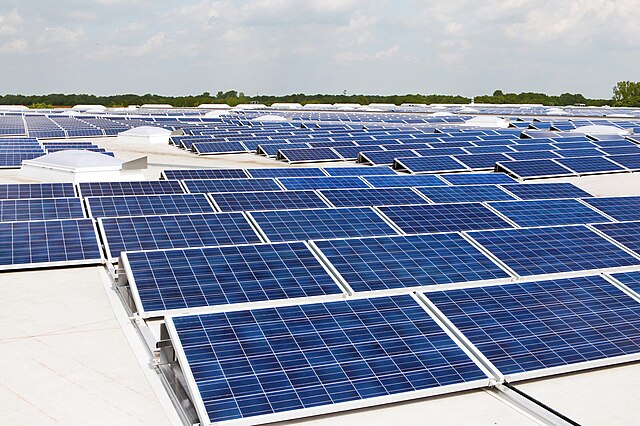
The solar energy industry has witnessed remarkable growth over the past decade, propelled by technological breakthroughs, declining costs, and a global shift toward sustainable energy solutions. At the heart of this revolution are solar cells—the essential components of solar panels that convert sunlight into electricity. As the world increasingly turns to renewable energy to combat climate change and meet rising energy demands, solar cell manufacturers have become critical players in driving this transformation.
In this detailed blog post, we present a comprehensive review of the top 10 global solar cell manufacturers by 2025. This article explores their histories, key products, market positions, and contributions to the solar industry.
Part 1. Iwis Solar Manufacturers in China
Custom Solar Products For Your Industries
Part 2. Introduction: The Rise of Solar Energy and the Role of Manufacturers
Solar energy has evolved from a niche alternative to a mainstream power source. According to the International Energy Agency (IEA), global solar photovoltaic (PV) capacity has been growing at an average rate of over 20% annually, with projections indicating continued expansion through 2025 and beyond. This surge is driven by falling solar panel prices, supportive government incentives, and heightened environmental awareness.
Solar cell manufacturers are the backbone of this growth, producing the cutting-edge technology that powers solar panels. These companies are not only scaling up production to meet global demand but also innovating to improve efficiency, durability, and affordability. In this blog post, we rank the top 10 solar cell manufacturers based on their production capacity, market share, technological advancements, and global influence, offering a detailed look at the leaders shaping the future of solar energy.
What Other Solar or Power Products You Want
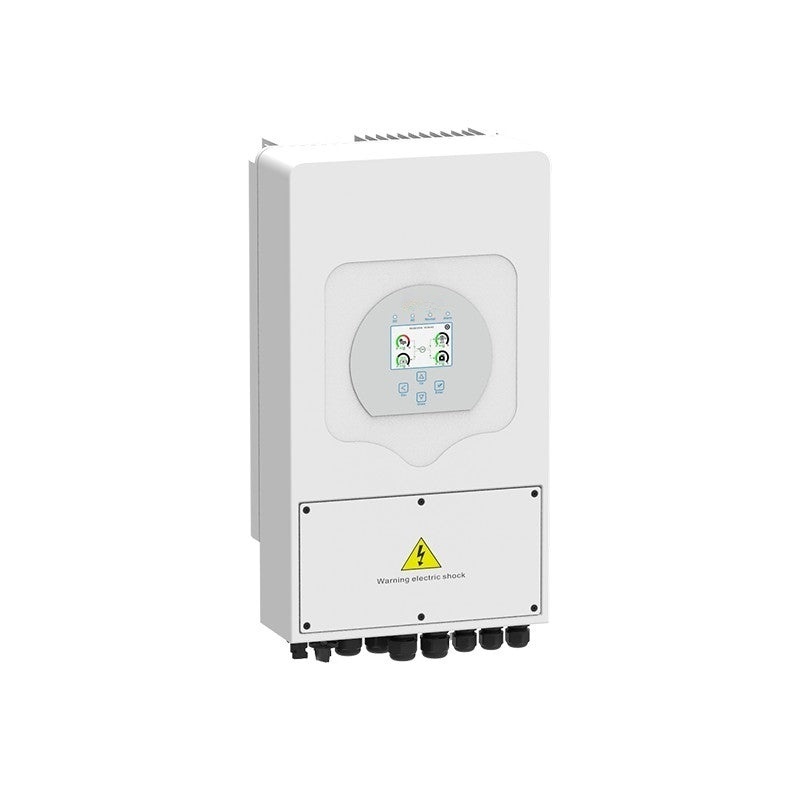
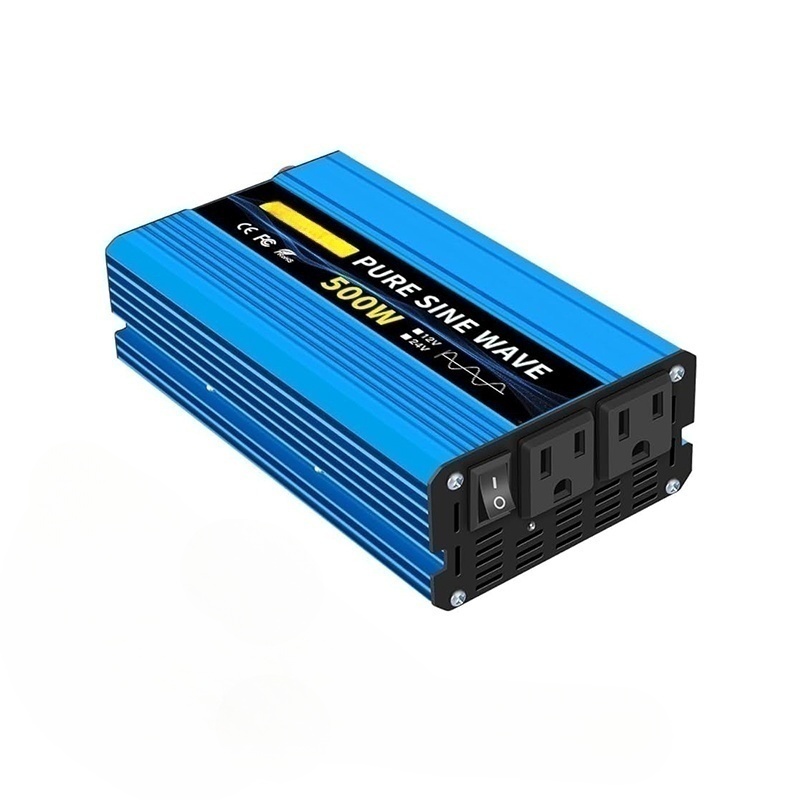
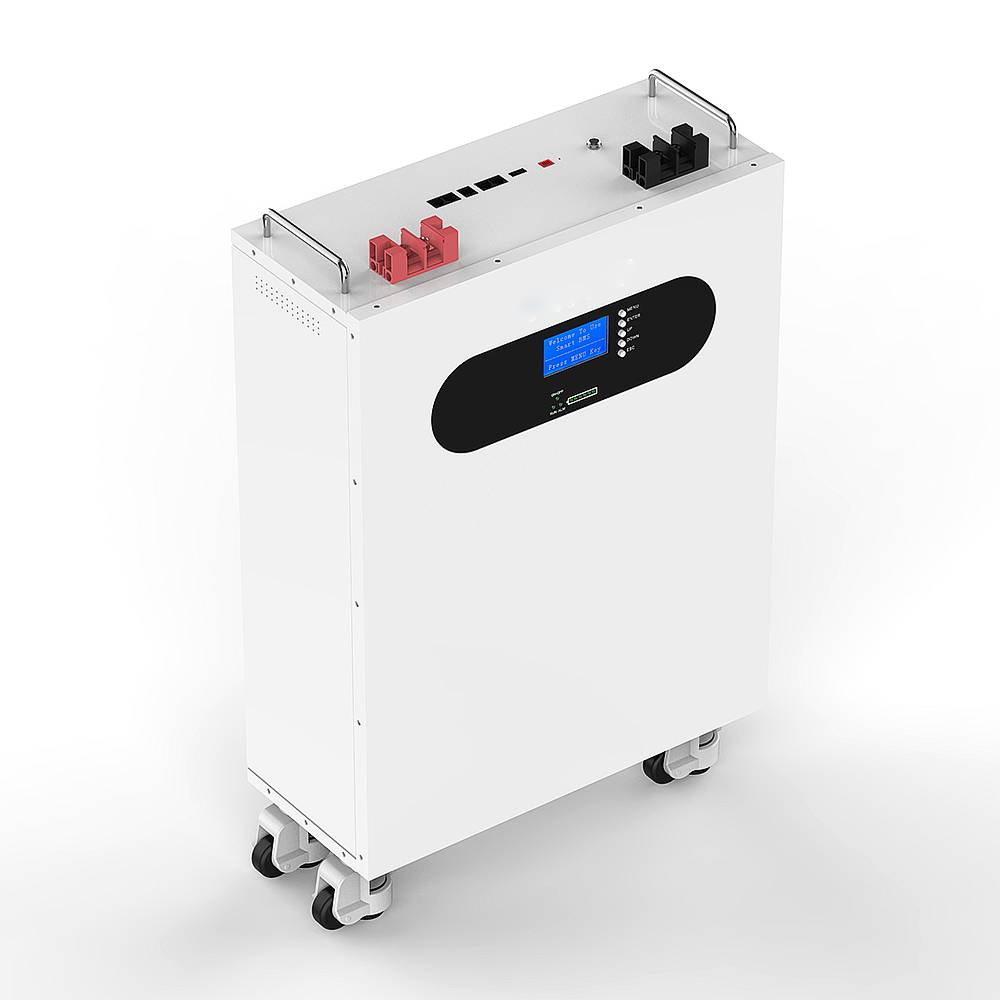
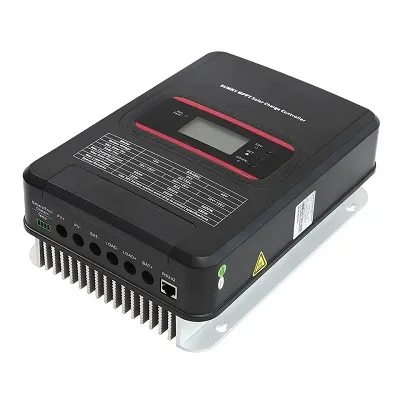
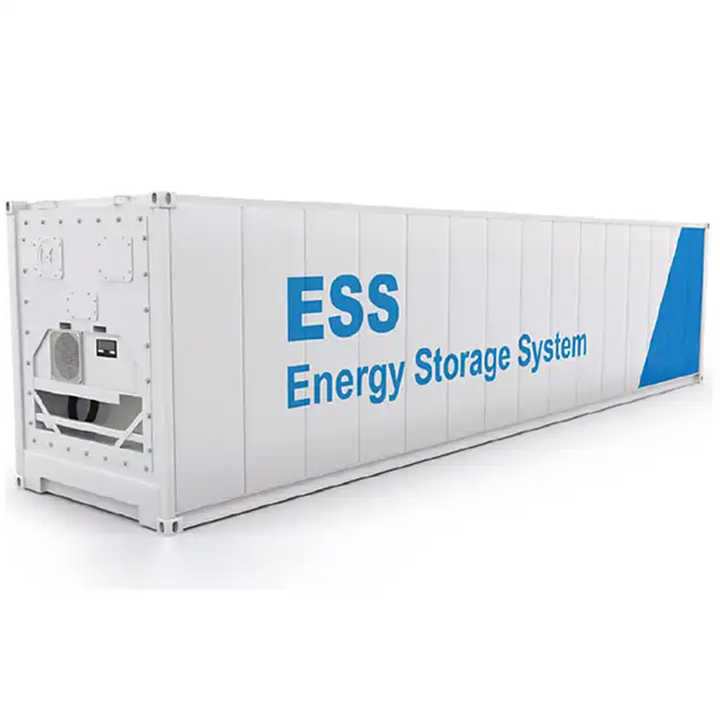
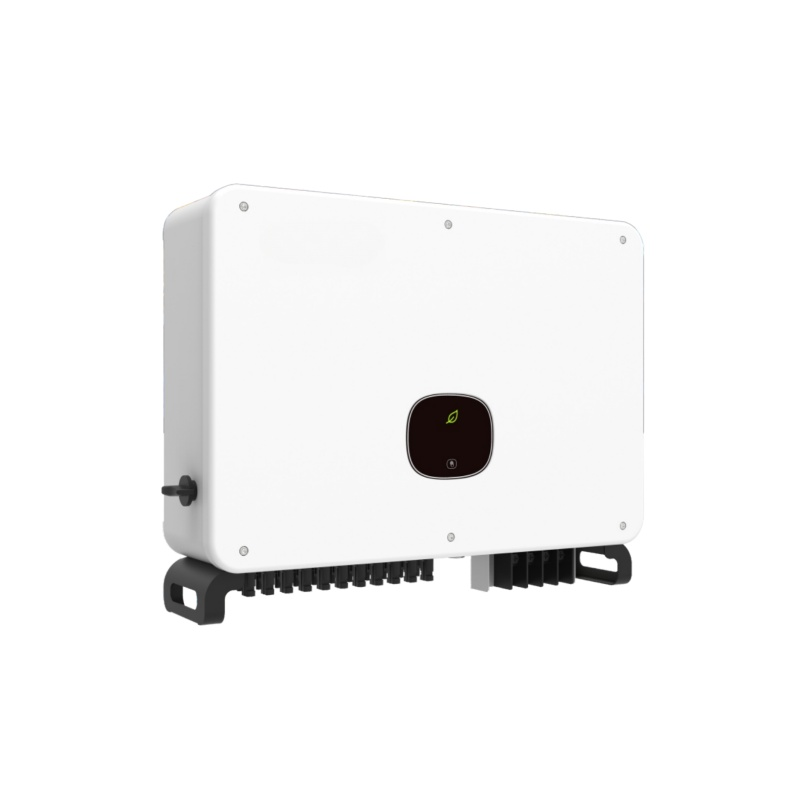
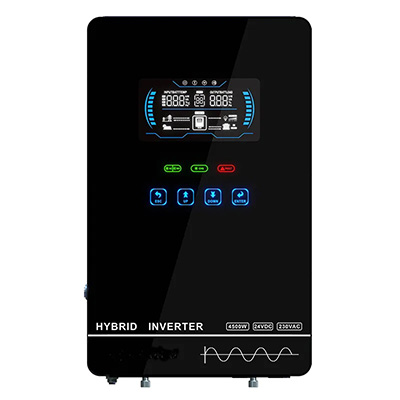
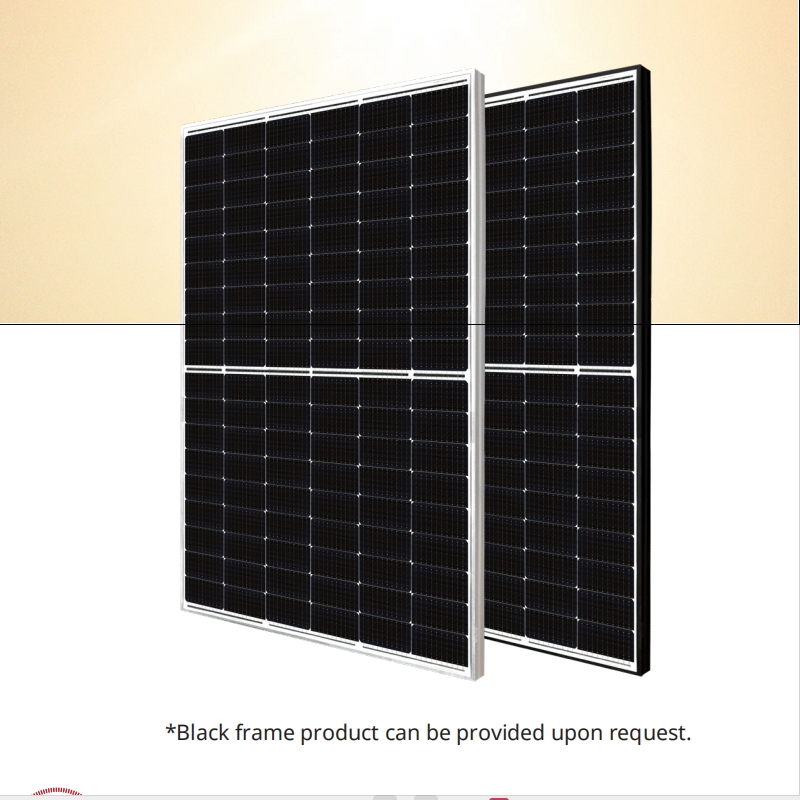
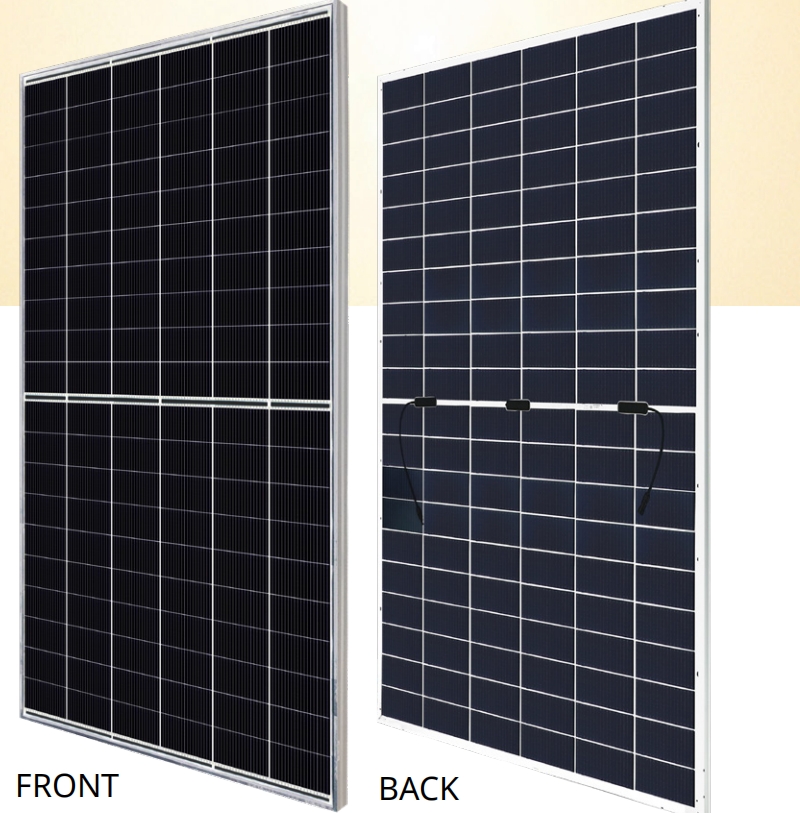
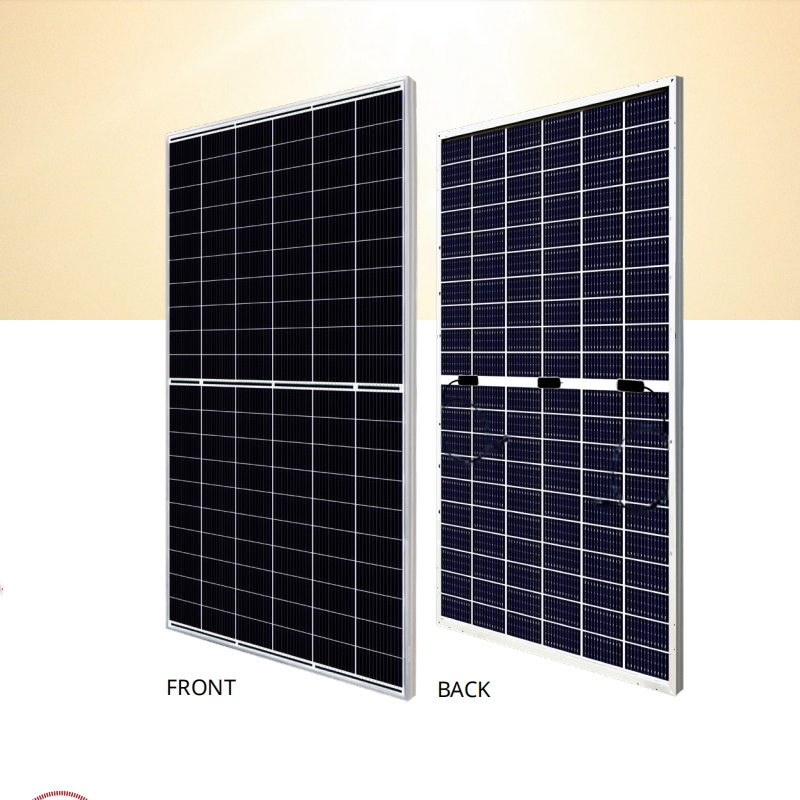
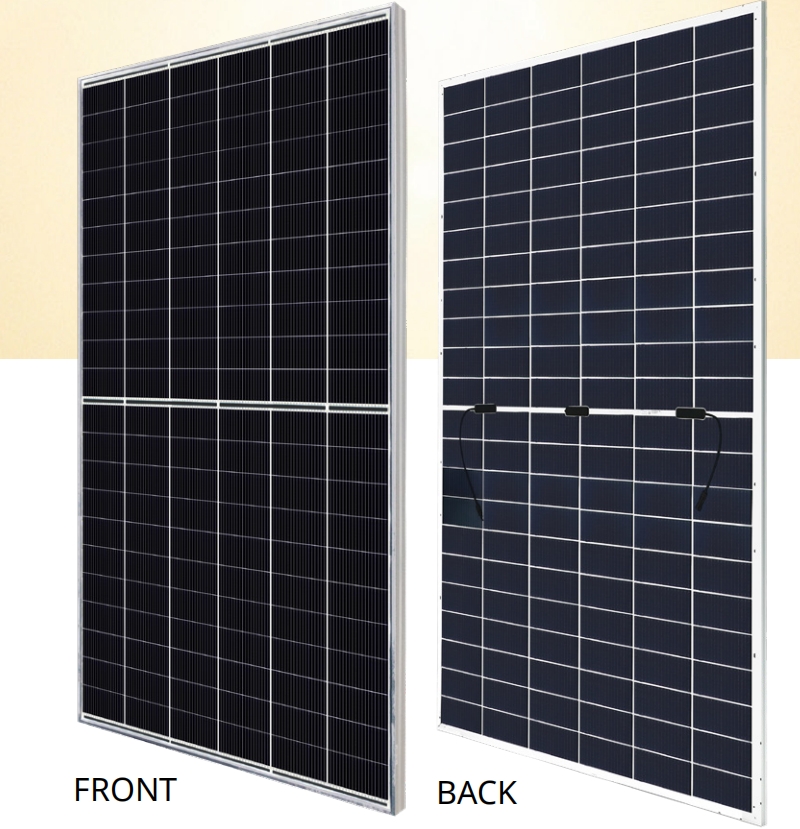

Custom Solar Products For Your Industries
We provide custom solutions to all our customers and offer free consulting or samples that you can take advantage of.
Part 3. Criteria for Ranking the Top Solar Cell Manufacturers
To ensure a fair and thorough evaluation, we’ve based our rankings on the following key factors:
- Production Capacity: The ability to manufacture solar cells at scale is essential for meeting worldwide demand.
- Market Share: A manufacturer’s dominance in the global market reflects its reliability and influence.
- Technological Innovation: Companies that pioneer new technologies or achieve higher efficiencies stand out.
- Global Reach: Manufacturers with operations or sales in multiple regions demonstrate versatility and impact.
- Sustainability: Commitment to eco-friendly practices and ethical production is increasingly important in the industry.
With these criteria in mind, let’s explore the top 10 solar cell manufacturers of 2025.
1. LONGi Solar
Overview
Founded in 2000 in Xi’an, China, LONGi Solar has emerged as the world’s leading solar cell and module manufacturer. Specializing in monocrystalline silicon technology, LONGi has earned a reputation for its high-efficiency products and relentless focus on research and development.
Key Products
- Hi-MO Series: Featuring PERC (Passivated Emitter and Rear Cell) technology, these modules offer exceptional efficiency and performance.
- Bifacial Modules: Designed to capture sunlight from both sides, boosting energy output by up to 20%.
Market Position
LONGi boasts a production capacity exceeding 85 gigawatts (GW) annually, making it the largest solar manufacturer globally. The company has set multiple world records for solar cell efficiency, including a 24%+ efficiency milestone for its P-type PERC cells. With a presence in over 150 countries, LONGi dominates the monocrystalline market.
Why They Stand Out
LONGi’s leadership stems from its massive scale, cutting-edge technology, and unwavering commitment to advancing solar energy. It’s a top choice for utility-scale projects and residential installations alike.
2. JinkoSolar
Overview
Established in 2006 in Shanghai, China, JinkoSolar is a global titan in the solar industry. Known for its innovative designs and extensive distribution network, JinkoSolar has become a household name in solar technology.
Key Products
- Tiger Pro Series: High-efficiency modules featuring Tiling Ribbon technology to minimize energy loss.
- Bifacial and Half-Cell Modules: Optimized for diverse environments, offering superior energy yields.
Market Position
With an annual production capacity of over 60 GW, JinkoSolar has shipped more than 260 GW of solar modules to over 200 countries. The company excels in both residential and commercial markets, with a strong foothold in North America, Europe, and Asia.
Why They Stand Out
JinkoSolar’s blend of innovation—particularly in Tiling Ribbon and Bifacial technologies—and its customer-centric approach make it a standout performer in the solar industry.
3. JA Solar
Overview
Founded in 2005 in Beijing, China, JA Solar is a major force in solar cell manufacturing. The company’s emphasis on R&D has led to consistent improvements in its product lineup, cementing its status as an industry leader.
Key Products
- DeepBlue Series: High-efficiency modules with advanced PERC and Half-Cell technologies.
- Bifacial Modules: Tailored for utility-scale projects and challenging climates.
Market Position
JA Solar’s production capacity exceeds 50 GW, and its products are sold in over 100 countries. Listed on NASDAQ, the company has earned a spot on the “Fortune China 500” list multiple times, reflecting its financial and market strength.
Why They Stand Out
JA Solar’s dedication to quality and its global reach make it a preferred partner for large-scale solar installations worldwide.
4. Trina Solar
Overview
Since its founding in 1997 in Changzhou, China, Trina Solar has grown into one of the most respected names in solar manufacturing. With 26 world records for solar cell efficiency, Trina is a pioneer in ultra-high-power monocrystalline modules.
Key Products
- Vertex Series: High-power modules with efficiencies surpassing 21%.
- Bifacial Modules: Ideal for utility-scale projects requiring maximum energy capture.
Market Position
Trina Solar’s production capacity exceeds 50 GW, and it has delivered over 77 GW of modules globally. The company maintains a strong presence in key markets like the U.S., Europe, and Asia-Pacific.
Why They Stand Out
Trina’s long history of innovation and its focus on high-efficiency solutions position it as a leader in the global solar landscape.
5. Canadian Solar
Overview
Founded in 2001 in Ontario, Canada, Canadian Solar is a standout non-Chinese manufacturer in the top tier. With a focus on sustainability, the company has shipped over 125 GW of solar modules to more than 160 countries.
Key Products
- HiKu Series: High-power modules for residential and commercial applications.
- BiKu Bifacial Modules: Offering up to 30% more energy yield with dual-sided light absorption.
Market Position
Canadian Solar’s production capacity exceeds 40 GW, and it’s publicly traded on NASDAQ. The company has earned accolades for its contributions to clean energy and its robust global supply chain.
Why They Stand Out
As a Canadian-based firm with a worldwide footprint, Canadian Solar offers a unique blend of sustainability and customer-focused solutions.
6. Tongwei Solar
Overview
Based in Sichuan, China, Tongwei Solar is the world’s largest producer of polycrystalline silicon and a rising star in solar cell manufacturing. The company has expanded rapidly, focusing on high-efficiency Mono PERC and TOPCon technologies.
Key Products
- Mono PERC Modules: High-efficiency and durable options for utility-scale projects.
- TOPCon Modules: Next-generation technology excelling in low-light conditions.
Market Position
Tongwei Solar’s annual production capacity exceeds 70 GW for cells and 14 GW for modules. While dominant in China, the company is steadily expanding its international presence.
Why They Stand Out
Tongwei’s massive production scale and adoption of advanced technologies like TOPCon make it a formidable player in the solar market.
7. First Solar
Overview
Headquartered in the U.S., First Solar was founded in 1999 and is a leader in thin-film solar technology. Unlike most competitors, it uses cadmium telluride (CdTe) instead of silicon, offering a sustainable alternative.
Key Products
- Series 6 Modules: Thin-film modules with high efficiency and low environmental impact.
- Eco-Efficient Modules: Designed for utility-scale projects with sustainability in mind.
Market Position
First Solar’s production capacity exceeds 10 GW, making it the largest U.S.-based solar manufacturer. It has a strong presence in North America and Europe, focusing on utility-scale installations.
Why They Stand Out
First Solar’s thin-film technology and eco-friendly approach distinguish it as a leader in sustainable solar solutions.
8. Qcells
Overview
A subsidiary of South Korea’s Hanwha Solutions, Qcells is known for its high-quality solar cells and modules, particularly in the U.S. residential market. The company blends innovation with a strong manufacturing base.
Key Products
- Q.PEAK DUO Series: High-efficiency modules with advanced cell technology.
- Q.ANTUM Technology: Proprietary tech that enhances efficiency and performance.
Market Position
Qcells has a production capacity of over 8 GW in the U.S. and is a top brand for residential solar. It’s investing heavily in expanding its American supply chain.
Why They Stand Out
Qcells’ focus on residential solar and its U.S.-centric strategy make it a key player in North America.
9. Aiko Solar
Overview
Founded in 2009 in China, Aiko Solar is a fast-growing manufacturer specializing in high-efficiency solar cells. Its rapid rise is fueled by a commitment to innovation and quality.
Key Products
- ABC (All-Back-Contact) Cells: Achieving efficiencies up to 25%, among the industry’s highest.
- PERC Cells: High-performance cells for commercial and utility projects.
Market Position
Aiko Solar’s production capacity exceeds 30 GW, and it’s gaining traction globally. As a member of the UN Global Compact, it emphasizes sustainability.
Why They Stand Out
Aiko’s focus on ultra-high-efficiency cells positions it as an emerging leader to watch.
10. Gautam Solar
Overview
An Indian manufacturer, Gautam Solar is making waves with its advanced technologies and ambitious expansion plans. Targeting a 5 GW capacity by 2025, it’s a rising star in the global market.
Key Products
- N-Type TOPCon Modules: Delivering 5% more power in the same footprint.
- Mono PERC Modules: High-efficiency modules with M10 Half-Cut Cells and Round Ribbon tech.
Market Position
Gautam Solar is a key player in India and is building a 2 GW PV cell plant to reduce reliance on imports. Its global ambitions are growing steadily.
Why They Stand Out
As a non-Chinese contender, Gautam Solar highlights India’s increasing role in solar manufacturing.
Part 4. Industry Insights: Trends, Innovations, and Sustainability
These manufacturers are not just the largest producers of solar cells; they are also at the forefront of shaping the solar industry’s future. To fully understand their impact, it’s essential to look at the broader market trends, technological innovations, and the impact on sustainable energy that are defining the solar landscape in 2025.
Market Trends
The solar market is experiencing unprecedented growth. According to the International Energy Agency (IEA), global solar PV capacity is expected to exceed 3,000 GW by 2025. This surge is driven by several factors: the cost of solar technology has plummeted by over 80% in the past decade, supportive government policies (such as tax incentives and renewable energy targets), and corporate commitments to net-zero emissions. For example, India aims to achieve 450 GW of renewable energy capacity by 2030, with solar playing a dominant role.
Moreover, several key trends are shaping the market. Solar modules are moving toward larger formats to improve efficiency and reduce installation costs. Bifacial technology, which captures sunlight from both sides of the panel, is becoming increasingly popular, offering up to 20% higher energy yields. Emerging markets in Asia, Africa, and Latin America are also becoming hotbeds for solar growth, as these regions seek reliable and affordable energy solutions. These solar market trends indicate a future where solar energy is not only more efficient but also more accessible worldwide.
Technological Innovations
Innovation in solar cell technology is the driving force behind the industry’s evolution. In recent years, perovskite-silicon tandem cells have emerged as a promising breakthrough, combining traditional silicon with perovskite materials to achieve efficiencies exceeding 30%—far beyond the current average of 20-22%. Additionally, next-generation technologies like TOPCon (Tunnel Oxide Passivated Contact) and HJT (Heterojunction Technology) are gaining traction, offering higher efficiencies and better performance in low-light conditions.
Leading manufacturers are also pushing the envelope with innovations in manufacturing processes. For instance, LONGi and JinkoSolar have integrated artificial intelligence (AI) into their production lines to optimize quality control and reduce defects. Bifacial and half-cell designs have become industry standards, improving energy capture and durability. Researchers are also exploring more sustainable materials, such as replacing silver with copper, to reduce the environmental impact of production. These solar technology innovations are not only enhancing performance but also paving the way for broader adoption.
Impact on Sustainable Energy
Solar energy is a cornerstone of the global transition to sustainable energy, and its impact is profound. By 2025, solar PV systems are expected to offset over 1.5 billion tons of CO2 emissions annually, equivalent to taking more than 300 million cars off the road. By displacing fossil fuel-based power generation, solar significantly reduces greenhouse gas emissions, providing a tangible solution to climate change. Additionally, solar power is bringing electricity to remote and underserved regions, such as off-grid solar solutions in Africa and Asia, supporting economic development and improving quality of life.
Solar also enhances energy security by reducing reliance on imported fossil fuels, particularly in sun-rich countries. The innovations and scale of the top 10 manufacturers are making solar a key enabler of the United Nations Sustainable Development Goals (SDGs), particularly Goal 7 (Affordable and Clean Energy) and Goal 13 (Climate Action). In the long term, these sustainable energy impacts underscore that solar is not just an energy choice but a foundation for a greener future.
Part 5. Conclusion: The Future of Solar Cell Manufacturing
The solar cell manufacturing industry is thriving, with Chinese giants like LONGi, JinkoSolar, and Tongwei leading in scale, while companies from the U.S., Canada, and India—such as First Solar, Canadian Solar, and Gautam Solar—bring diversity and innovation. By 2025, these top 10 manufacturers will continue to drive the global transition to renewable energy, meeting the rising demand from developed and developing nations alike.
The industry’s trajectory is shaped by dynamic market trends, such as the rise of bifacial modules and growth in emerging markets, alongside groundbreaking technological innovations like perovskite-tandem cells and AI-driven manufacturing. Most importantly, their impact on sustainable energy—from reducing CO2 emissions to powering remote communities—positions solar as a cornerstone of a cleaner, more equitable world. Whether you’re exploring solar for personal or commercial use, choosing a trusted manufacturer ensures quality and performance. The solar industry is poised for an exciting future, and these leaders are lighting the way.
Custom Solar Products For Your Industries
We provide custom solutions to all our customers and offer free consulting or samples that you can take advantage of.
