Affordable Off-Grid Solar Inverter Manufacturers: A Comparison
Imagine this: you’re sipping coffee in your cozy off-grid cabin, the sun’s rays powering your lights, fridge, and laptop—no utility bills, no worries, just pure energy independence. Sounds pretty great, doesn’t it? The secret to making this dream a reality lies in one key piece of equipment: the off-grid solar inverter. It’s the unsung hero that converts your solar panels’ energy into power you can actually use. But here’s the catch—how do you find one that’s affordable yet reliable with so many options out there? Don’t sweat it. This guide’s got your back. We’re diving deep into the world of affordable off-grid solar inverters, comparing top manufacturers, and giving you the tools to pick the perfect one for your setup—all in a way that feels like a chat with a friend.
You’ll walk away knowing what to look for, which brands deliver the best bang for your buck, and how to choose an inverter that fits your life, whether you’re powering a tiny RV or a full-time off-grid home. Let’s get started!
Part 1. Iwis Solar Manufacturers in China
Custom Solar Products For Your Industries
Part 2.Why Affordability Matters in Off-Grid Solar Inverters
Going off-grid is a bold move, and it’s no secret that the costs can stack up fast—solar panels, batteries, wiring, you name it. That’s why your inverter needs to be a budget-friendly MVP. It’s the heart of your system, turning raw solar energy into something you can plug your life into, and overspending here could throw your whole plan off balance. But here’s the thing: affordable doesn’t mean cheap. You’re not looking for a flimsy knockoff that’ll die on you in a year. You want value—solid performance at a price that leaves room for the rest of your setup.
Lucky for you, there are manufacturers out there who get it. They’ve cracked the code on delivering quality inverters without making you empty your wallet. So, what should you keep an eye on to snag that sweet spot of cost and reliability? Let’s break it down.
Part 3. Key Features to Look for in an Affordable Off-Grid Solar Inverter
Before you start shopping, you need to know what makes an inverter worth your money. It’s tempting to just grab the cheapest one on the shelf, but trust me—cutting corners here can leave you with a dud that wastes energy or breaks down when you need it most. Here’s your checklist to keep you on track:
1. Efficiency
Efficiency is where the rubber meets the road. It’s all about how much of that precious solar energy actually makes it to your devices. Look for inverters with at least an 85% efficiency rating—90% or higher is even better. The higher the number, the less energy you lose, which means more power for your lights, appliances, and whatever else you’re running. Over time, that efficiency saves you money and hassle.
2. Durability
Off-grid life isn’t always gentle. Your inverter might face dust, heat, cold, or even the occasional jolt if you’re on the move. You need one that’s tough enough to handle it. Check for rugged builds—think metal casings over flimsy plastic—and peek at customer reviews to see how they hold up in the real world. A good warranty (at least a year or two) is a bonus sign of durability.
3. Ease of Use
You shouldn’t need a tech degree to figure out your inverter. Look for models with clear displays, simple controls, and straightforward setup. Some even come with handy extras like USB ports or remote monitoring. If the manual looks like it was written for humans—not robots—that’s a win.
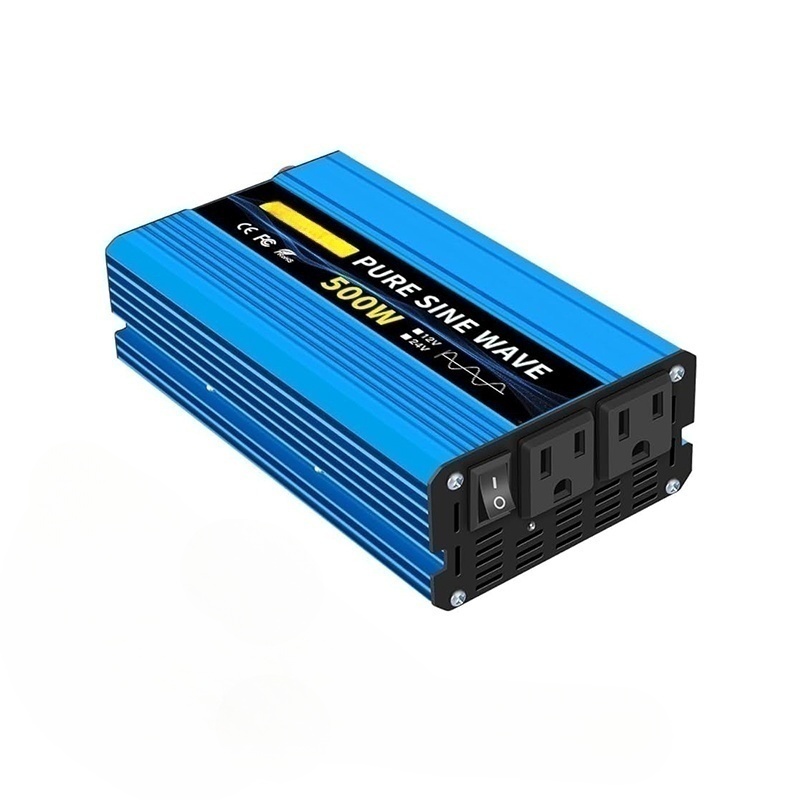
4. Pure Sine Wave Output
Here’s a biggie if you’ve got sensitive gear like laptops, TVs, or medical devices. Pure sine wave inverters deliver smooth, clean power that won’t mess with your electronics. They cost a bit more than modified sine wave models, but if you’re powering anything fancy, it’s worth every penny.
5. Warranty and Support
A solid warranty is your safety net—aim for at least 1-2 years. But don’t stop there. Dig into what folks say about the manufacturer’s customer support. If your inverter hiccups, you want a team that’ll help you out, not leave you hanging.
Armed with these must-haves, you’re ready to meet the manufacturers who can deliver. Let’s see who’s bringing affordable power to the table.
What Other Solar or Power Products You Want
Custom Solar Products For Your Industries
We provide custom solutions to all our customers and offer free consulting or samples that you can take advantage of.
Part 4.Top Affordable Off-Grid Solar Inverter Manufacturers
We’ve done the legwork and picked three standout brands that balance cost and quality: Renogy, AIMS Power, and Go Power!. Each has its own vibe, so let’s dive into what they offer, their strengths, and where they might trip up.
1. Renogy
- Why You’ll Love It: Renogy’s like that reliable buddy who’s always got a deal for you. They’ve built a name for themselves by offering inverters that are easy on your wallet and perfect for small to medium setups—like a weekend cabin or an RV getaway.
- Key Features:
- Pure sine wave output for clean, gadget-friendly power
- Options from 700W to 3000W
- Efficiency hovering around 85%-90%
- Built-in USB ports for charging on the go
- LCD display to keep tabs on performance
- Pros:
- Super budget-friendly—great for dipping your toes into off-grid life
- Simple to set up and use, even if you’re new to this
- Decent warranties (1-2 years) for peace of mind
- Cons:
- Customer support can be a mixed bag—some folks rave, others grumble about slow replies
- Efficiency isn’t top-tier, so you might lose a little more energy than with pricier models
- Best For: You, if you’re just starting out or need a no-fuss inverter for lighter loads.
2. AIMS Power
- Why You’ll Love It: AIMS Power is the heavy lifter of the group—rugged, versatile, and ready to power up whatever you’ve got. They’ve got a huge lineup at prices that won’t make you flinch, perfect for anyone needing serious juice on a budget.
- Key Features:
- Pure sine wave output for smooth performance
- Models stretching up to 6000W for big jobs
- Efficiency hitting 88%-92%
- High surge capacity—great for starting up power-hungry tools or appliances
- Remote control options for extra convenience
- Pros:
- Awesome value for the wattage you get
- Built tough for rough conditions
- Packed with features like dual outlets and USB ports
- Cons:
- So many choices can feel overwhelming—know your needs before you shop
- Some models are chunky, so measure your space
- Best For: You, if you’re running a bigger system or need to power heavy-duty stuff like a microwave or workshop tools.
3. Go Power!
- Why You’ll Love It: Go Power! is your go-to if you’re living life on the move. They specialize in mobile off-grid setups, crafting inverters that are compact, tough, and perfect for RVs or remote adventures.
- Key Features:
- Pure sine wave output
- Sizes from 150W to 3000W
- Efficiency around 85%-90%
- Vibration-resistant builds for bumpy rides
- Optional remote control for easy tweaks
- Pros:
- Designed for mobility—small, sturdy, and simple to install
- Great warranties (2-5 years) that show they stand by their stuff
- Reliable for off-grid nomads
- Cons:
- Efficiency’s a tad lower than some rivals, which might matter for big systems
- A bit pricier than Renogy for similar power, though still in the affordable zone
- Best For: You, if you’re hitting the road or need an inverter that can take a beating and keep going.
Part 5.Comparison Table: At a Glance
Need a quick side-by-side? Here’s how Renogy, AIMS Power, and Go Power! line up:
| Manufacturer | Price Range | Efficiency | Warranty | Customer Support |
|---|---|---|---|---|
| Renogy | $100 – $500 | 85% – 90% | 1-2 years | Mixed reviews |
| AIMS Power | $150 – $600 | 88% – 92% | 1-3 years | Generally positive |
| Go Power! | $200 – $700 | 85% – 90% | 2-5 years | Good |
Part 6.How to Choose the Right Inverter for Your RV or Camper
Alright, you’ve met the lineup—now how do you pick the winner for your setup? It’s all about matching the inverter to your life on the road. Here’s your step-by-step game plan:
1. Figure Out Your Power Needs
Grab a pen and list every device you’ll use—phone, fridge, lights, whatever. Check their wattage (usually on the label) and add it up. Then, pick an inverter with a continuous rating at least 20% higher than that total. Better safe than sorry!
2. Measure Your Space
Whip out a tape measure and scope out where your inverter’s going to live. Some models are slimmer than others, so make sure it’ll fit without cramping your style.
3. Match It to Your Lifestyle
Weekend getaways? A smaller, basic inverter might be plenty. Living full-time off-grid? Go for something beefier with extra features like remote monitoring or high surge capacity.
4. Set Your Budget
Inverters can range from a couple hundred bucks to over a grand. Decide what you’re comfortable spending, but don’t skimp too much—a cheap unit could fail you when you’re miles from help.
5. Dig Into Reviews
See what other RVers are saying. Look for real-world stories about how these inverters hold up, how the companies handle support, and whether they deliver on their promises.
Part 7.How to Choose the Right Affordable Inverter for You
So, you’ve got the rundown on these brands—now how do you pick the one that’s right for you? It’s not just about price or power; it’s about what fits your life. Here’s your step-by-step game plan:
1. Figure Out Your Power Needs
Grab a pen and list everything you’ll power—lights, fridge, phone charger, whatever. Check their wattage (it’s usually on the label or manual) and add it up. Then, pick an inverter with a continuous rating at least 20% above that total. Say your list hits 800W—go for 1000W or more to stay safe.
2. Match It to Your System Size
Small setup, like a weekend retreat? Renogy’s got you covered with affordable, simple options. Bigger system, like a full-time off-grid home? AIMS Power’s beefier models might be your match.
3. Think About What You’re Powering
Got sensitive electronics? Don’t skimp—get a pure sine wave inverter to keep them humming happily. Basic stuff like lights or fans? A modified sine wave might do, but pure sine is still the safer bet.
4. Plan for the Future
Dreaming of expanding your solar setup down the road? Pick an inverter that can grow with you—some, like AIMS Power’s stackable models, make it easy to add capacity later.
5. Set a Smart Budget
You’re here for affordability, but don’t just chase the lowest price. A little extra upfront can mean better efficiency or durability, saving you cash (and stress) over time. Find the sweet spot where cost meets value.
6. Do Your Homework
Scroll through reviews to see how these inverters hold up in the wild. And peek at the manufacturer’s support rep—Renogy’s spotty service might not matter if you’re a DIY pro, but Go Power!’s solid support could be a lifesaver if you’re not.
Part 7.Your Path to Affordable Off-Grid Power
There you have it—your roadmap to finding an affordable off-grid solar inverter that doesn’t skimp on quality. By zeroing in on efficiency, durability, and ease of use, and weighing options from Renogy, AIMS Power, and Go Power!, you’re set to power your life without breaking the bank.
This isn’t just about saving a few bucks today—it’s about investing in a system that’ll keep your lights on and your coffee brewing for years. So take a breath, think about what you need, and pick the inverter that feels like it was made for you. Before long, you’ll be kicking back, soaking in that solar-powered freedom, and wondering why you didn’t go off-grid sooner. You’ve got this!
Custom Solar Products For Your Industries
We provide custom solutions to all our customers and offer free consulting or samples that you can take advantage of.