Power Up Your Home: The Ultimate Solar Battery Buying Guide for 2025

[ez-toc]

Thinking about going solar or upgrading your setup? Solar batteries are your ticket to storing that sunny goodness and powering your home on your terms. This guide’s got everything you need—considerations, types, tips, and real-life wins—to help you pick the perfect solar battery. Let’s get started.

Part 1. Iwis Solar Manufacturers in China

Custom Solar Products For Your Industries

We provide custom solutions to all our customers and offer free consulting or samples that you can take advantage of.

Part 2.Why Solar Batteries Are a Game-Changer

You’ve probably heard the buzz about solar panels, but solar batteries? They’re the real MVPs. While your panels soak up sunlight and turn it into electricity, a battery stashes that energy for later—like at night, during a storm, or when the grid decides to take a nap. It’s your personal power reserve, cutting your reliance on the utility company and putting you in the driver’s seat. Whether you’re chasing lower bills, backup power, or a greener life, this guide will walk you through it all, step by step.

Part 3.Key Considerations When Buying a Solar Battery

Before you swipe your card, let’s break down what matters most. These factors will shape your decision, so pay attention.

Capacity: How Much Energy Can It Hold?

Think of capacity as the size of your battery’s fuel tank. Measured in kilowatt-hours (kWh), it tells you how much juice it can store. A cozy apartment might get by with 5-10 kWh, but a bustling family home could need 20 kWh or more. Flip open your latest electricity bill—your daily kWh usage is right there. That’s your starting point.

Power Rating: How Much Can It Deliver at Once?

This is your battery’s horsepower, measured in kilowatts (kW). It shows how much energy it can dish out in one go. Running a few lights and a TV? A couple of kW will do. Powering your whole house during an outage? You’ll want 5 kW or more to keep the fridge humming and the AC purring.

Depth of Discharge (DoD): How Much Can You Use?

Batteries don’t love being drained to zero—it wears them out faster. Depth of discharge (DoD) tells you how much of that stored energy you can safely tap. A battery with 10 kWh and a 90% DoD gives you 9 kWh to play with. Aim for 80% or higher to stretch your investment.

Round-Trip Efficiency: How Much Energy Do You Actually Get?

Here’s the catch: not every drop of energy you store comes back out. Some gets lost as heat. Round-trip efficiency measures what you actually use. A 90% rating means 9 out of 10 kWh are yours to enjoy. Look for 90% or better to make the most of your solar setup.

Lifespan and Warranty: How Long Will It Last?

Solar batteries are a big spend, so you want one that lasts. Lifespan’s often tracked in cycles—one full charge and discharge. Lithium-ion batteries can handle 3,000-5,000 cycles (think 10-15 years), while lead-acid might tap out at 500-1,000 (3-5 years). Check the warranty—10 years is the gold standard.

Compatibility: Will It Work with Your Setup?

Your battery’s got to sync with your solar panels and inverter. Some are picky, only working with certain brands. If you’ve already got panels, chat with your installer to avoid a mismatch. It’s like making sure your new phone charger fits your device.

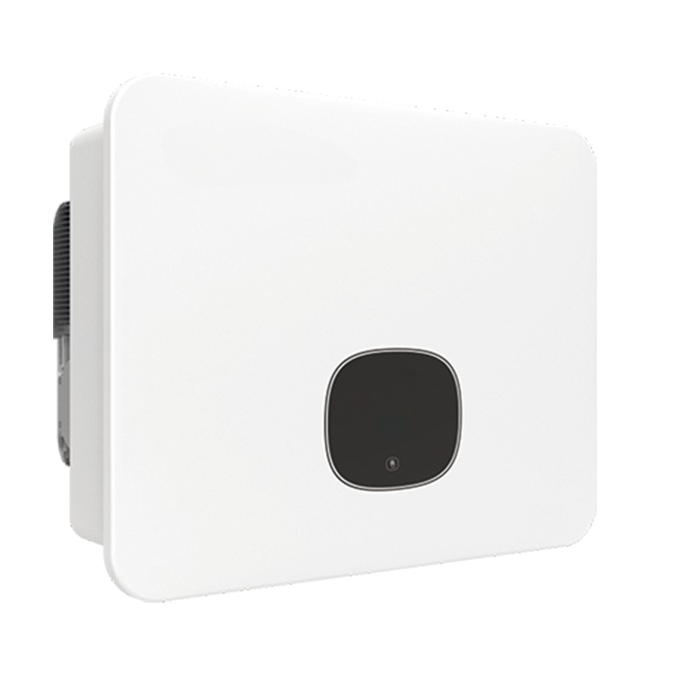
Custom Solar Products For Your Industries

We provide custom solutions to all our customers and offer free consulting or samples that you can take advantage of.

Part 4. Types of Solar Batteries: Which One’s Right for You?

Alright, let’s meet the players. Each type of solar battery has its own vibe—pros, cons, and sweet spots. Here’s the rundown.

Lead-Acid Batteries

The classic choice—cheap and dependable, but not without quirks.

  • Pros: Wallet-friendly, easy to find.
  • Cons: Big and heavy, shorter life (3-5 years), lower DoD (around 50%).
  • Best for: You, if you’re on a tight budget, have space, and don’t need tons of power.

Lithium-Ion Batteries

The modern champs—sleek, efficient, and built to last.

  • Pros: High efficiency (90%+), long life (10-15 years), great DoD (80-90%).
  • Cons: Pricier upfront.
  • Best for: You, if you want top-notch performance and don’t mind the initial cost.

Flow Batteries

The futuristic option—tough and versatile, but still niche.

  • Pros: Crazy durable, handles deep discharges, lasts forever (15-20 years).
  • Cons: Expensive, bulky, harder to source.
  • Best for: You, if you’ve got big energy needs and a bigger budget.

Here’s a cheat sheet to compare them:

TypeLifespanEfficiencyCostBest For
Lead-Acid3-5 years70-80%LowBudget buyers
Lithium-Ion10-15 years90%+Medium-HighMost homeowners
Flow15-20 years75-85%HighHigh-energy users

Part 5.How to Choose the Right Solar Battery: A Step-by-Step Guide

Picking a battery shouldn’t feel like rocket science. Here’s a simple roadmap to get you there.

Step 1: Assess Your Energy Needs

Dig into your electric bill—how many kWh do you use daily? If it’s 30 kWh, a 10-15 kWh battery covers your evenings. Want outage protection? Go bigger—20-30 kWh keeps you safe.

Step 2: Check Your Solar Setup

Got panels already? Your battery needs to vibe with them and your inverter. A quick call to your installer can confirm compatibility—no guesswork needed.

Step 3: Set Your Budget

Batteries range from $5,000 to $15,000+. Lead-acid is cheaper now but might cost you later with replacements. Lithium-ion’s pricier but pays off long-term. Factor in tax credits—up to 30% off can sweeten the deal.

Step 4: Define Your Goals

What’s driving you?

  • Saving cash? Prioritize efficiency and DoD.
  • Backup power? Focus on capacity and power rating.
  • Going green? Look for eco-friendly materials.

Step 5: Compare Brands and Warranties

Names like Tesla, LG, and Sonnen are solid bets. Read reviews, and don’t settle for less than a 10-year warranty or 3,000 cycles. You deserve peace of mind.

Here’s a quick checklist:

  • Does the capacity match my usage?
  • Can it handle my peak power needs?
  • Is the DoD and efficiency high enough?
  • Does it fit my solar system?
  • Is the warranty legit?

Part 6.Installation and Maintenance: Get It Right from the Start

Installation: Call the Experts

This isn’t a weekend project. A pro installer will:

  • Set it up in a cool, dry spot (garage or basement works great).
  • Connect it to your solar system and home wiring.
  • Test it to make sure it’s charging and ready.

Maintenance: Keep It Easy

Solar batteries don’t need much TLC, but here’s how to keep them happy:

  • Peek at Connections: Every few months, check for loose or dirty wires.
  • Watch the Stats: Most come with an app—keep an eye on performance. A dip might mean it’s time to call someone.
  • Stick to the Rules: Follow the manual’s advice for your specific model.

Safety first—don’t poke around inside. If something’s weird, let your installer handle it.

Part 7.How to Choose the Right Solar Battery

Picking a battery can feel overwhelming, but don’t worry—I’ve got you covered. Here’s what to think about:

  • Capacity: This is how much energy the battery can hold, measured in kilowatt-hours (kWh). A small home might need 5-10 kWh; a bigger one could want 20 kWh or more. Figure out your daily energy use to get a ballpark.
  • Power Rating: This tells you how much juice the battery can deliver at once, in kilowatts (kW). Running a few lights? Low power’s fine. Powering a whole house? Go higher.
  • Depth of Discharge (DoD): Batteries don’t like being drained to zero—it shortens their life. DoD shows how much you can use safely. A higher DoD (like 90%) means more usable energy per charge.
  • Compatibility: Your battery needs to play nice with your solar panels and inverter. Double-check with your installer to avoid any hiccups.

Still unsure? Chat with a solar pro—they’ll size it up based on your setup and habits.

Part 8.Busting Common Myths About Solar Batteries

Let’s squash some rumors floating around.

  • “They’re dangerous.” Nope! Today’s batteries have safety features like temp controls and shutoffs. Pros handle the install, so you’re golden.
  • “I don’t need one with solar panels.” You don’t need it, but it’s a game-changer. Savings go up, and you’ve got a lifeline when the grid fails.
  • “Too expensive.” The upfront cost stings, sure—but tax credits and long-term savings soften the blow. It’s an investment, not a splurge.

Part 9.Your Next Step to Energy Freedom

There you go—you’re now a solar battery pro! You’ve got the scoop on what to look for, the types out there, and how to choose the one that fits your life. Whether it’s slashing bills, staying powered in a pinch, or living greener, the right battery’s your key.

So, what’s next? Reach out to a solar expert—they’ll size up your needs and point you to the best options. With the sun shining and a battery backing you up, you’re on your way to a brighter, freer future. Got questions? Drop them below—I’d love to hear what you’re thinking!

Custom Solar Products For Your Industries

We provide custom solutions to all our customers and offer free consulting or samples that you can take advantage of.

Custom Solar Products For Your Industries

We provide custom solutions to all our customers and offer free consulting or samples that you can take advantage of.

Leave a Comment

Your email address will not be published. Required fields are marked *

WhatsApp
Scroll to Top

Asking

We'll respond to your email soon!