The Ultimate Solar Panel Buying Guide for the USA
Welcome to the ultimate guide to buying solar panels in the United States! If you’re considering making the switch to solar energy, you’re in the right place. This comprehensive guide will walk you through everything you need to know about solar panels, from understanding the different types available to navigating the installation process and maximizing your investment.
Solar panels are devices that convert sunlight into electricity, offering a clean, renewable, and cost-effective way to power your home or business. By harnessing the power of the sun, you can reduce your reliance on traditional energy sources, lower your electricity bills, and contribute to a more sustainable future.
In the USA, the adoption of solar energy is on the rise, thanks to advancements in technology, decreasing costs, and generous incentives offered by federal and state governments. Whether you’re looking to reduce your carbon footprint, gain energy independence, or simply save money on your utility bills, solar panels are an excellent investment.
In this guide, we’ll cover the different types of solar panels, key factors to consider when making a purchase, how to understand solar panel specifications, the costs involved, available incentives and rebates, how to choose a reputable installer, the installation process, maintenance tips, and the environmental benefits of going solar.
By the end of this guide, you’ll have all the information you need to make an informed decision and take the next step toward a brighter, more sustainable future.
Part 1. Iwis Solar Manufacturers in China
Custom Solar Products For Your Industries
Part 2.Types of Solar Panels
When it comes to solar panels, there are three main types to choose from: monocrystalline, polycrystalline, and thin-film. Each type has its own unique characteristics, advantages, and disadvantages, so it’s important to understand the differences to determine which one is best suited for your needs.
Monocrystalline Solar Panels
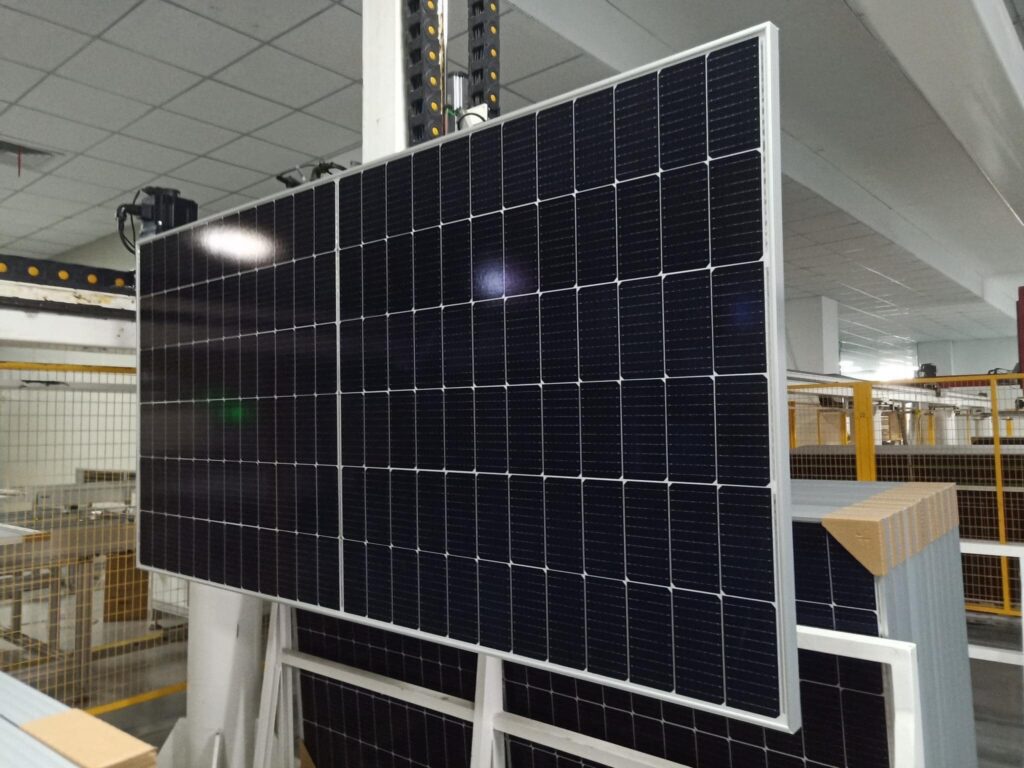
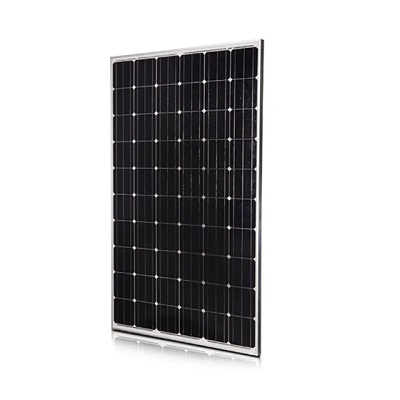
Monocrystalline solar panels are made from a single, pure crystal structure, typically silicon. They are known for their high efficiency, sleek black appearance, and long lifespan. These panels are ideal for homeowners with limited roof space, as they can generate more power per square foot compared to other types.
Pros:
High efficiency (15-22%)
Space-efficient
Long lifespan (25+ years)
Aesthetically pleasing
Cons:
Higher cost
Performance can be affected by high temperatures
Polycrystalline Solar Panels
Polycrystalline solar panels are made from multiple silicon crystals melted together. They are slightly less efficient than monocrystalline panels but are more affordable. These panels have a blue hue and are a popular choice for homeowners looking for a balance between cost and performance.
Pros:
Lower cost
Good efficiency (13-16%)
Widely available
Cons:
Less space-efficient
Lower heat tolerance
Thin-Film Solar Panels
Thin-film solar panels are made by depositing a thin layer of photovoltaic material onto a substrate. They are lightweight, flexible, and can be used in a variety of applications, including building-integrated photovoltaics. However, they are less efficient and require more space to generate the same amount of power as crystalline panels.
Pros:
Lightweight and flexible
Can be integrated into building materials
Performs well in low-light conditions
Cons:
Lower efficiency (10-12%)
Shorter lifespan
Requires more space
ComparisonWhen choosing between these types, consider your budget, available space, and aesthetic preferences. Monocrystalline panels are best for maximizing efficiency in limited space, while polycrystalline panels offer a more budget-friendly option. Thin-film panels are ideal for unique applications where flexibility and integration are important.
Part 3 Factors to Consider When Buying Solar Panels
Buying solar panels is a significant investment, so it’s crucial to consider several factors to ensure you choose the right system for your needs. Here are the key factors to keep in mind:
Efficiency
Solar panel efficiency refers to the percentage of sunlight that is converted into usable electricity. Higher efficiency panels generate more power per square foot, making them ideal for homes with limited roof space. Look for panels with an efficiency rating of at least 15-18%.
Durability and Warranty
Solar panels are designed to withstand various weather conditions, but it’s important to choose panels with a strong warranty to protect your investment. Most reputable manufacturers offer a 25-year performance warranty, guaranteeing that the panels will produce at least 80% of their rated power after 25 years.
Cost
The cost of solar panels can vary widely depending on the type, brand, and size of the system. While it’s tempting to choose the cheapest option, it’s important to consider the long-term value and performance. Look for panels that offer a good balance of cost and efficiency.
Aesthetics
Solar panels come in different colors and designs, so consider how they will look on your roof. Monocrystalline panels are typically black and have a sleeker appearance, while polycrystalline panels are blue and may be more noticeable.
Brand Reputation
Choose solar panels from reputable manufacturers with a proven track record of quality and reliability. Research customer reviews, industry ratings, and certifications to ensure you’re selecting a trustworthy brand.
By carefully evaluating these factors, you can find solar panels that meet your energy needs, budget, and aesthetic preferences.
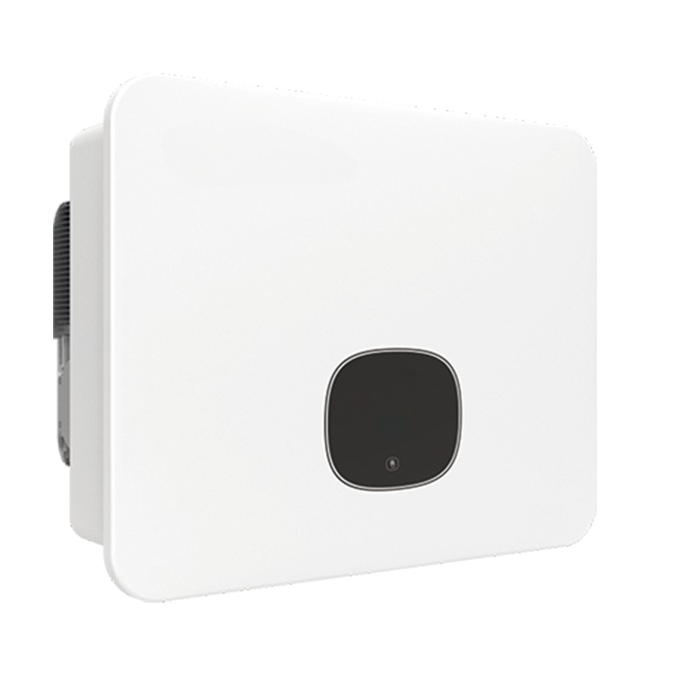
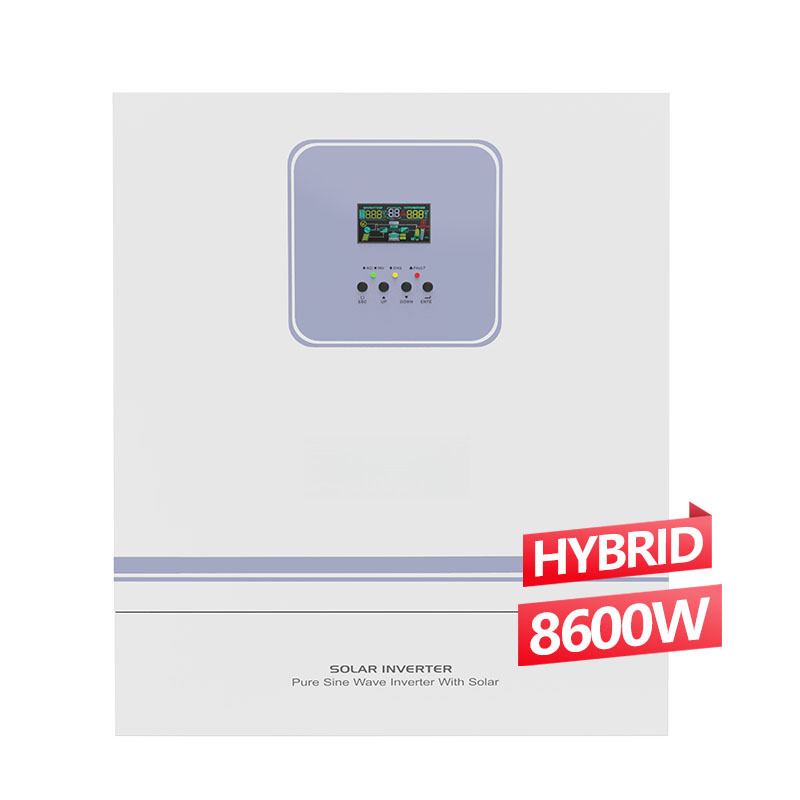
What Other Solar or Power Products You Want
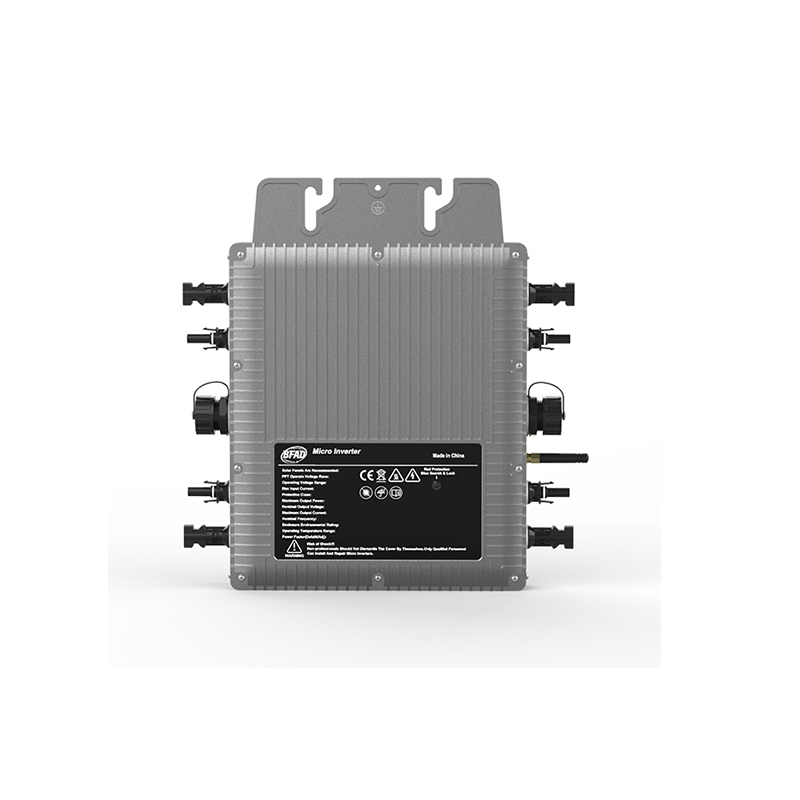
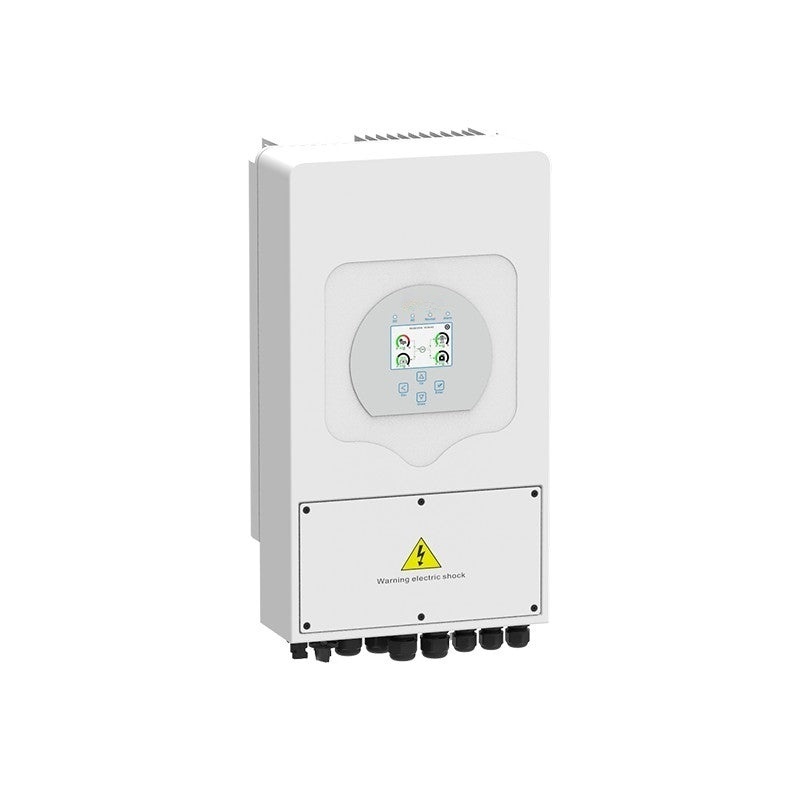
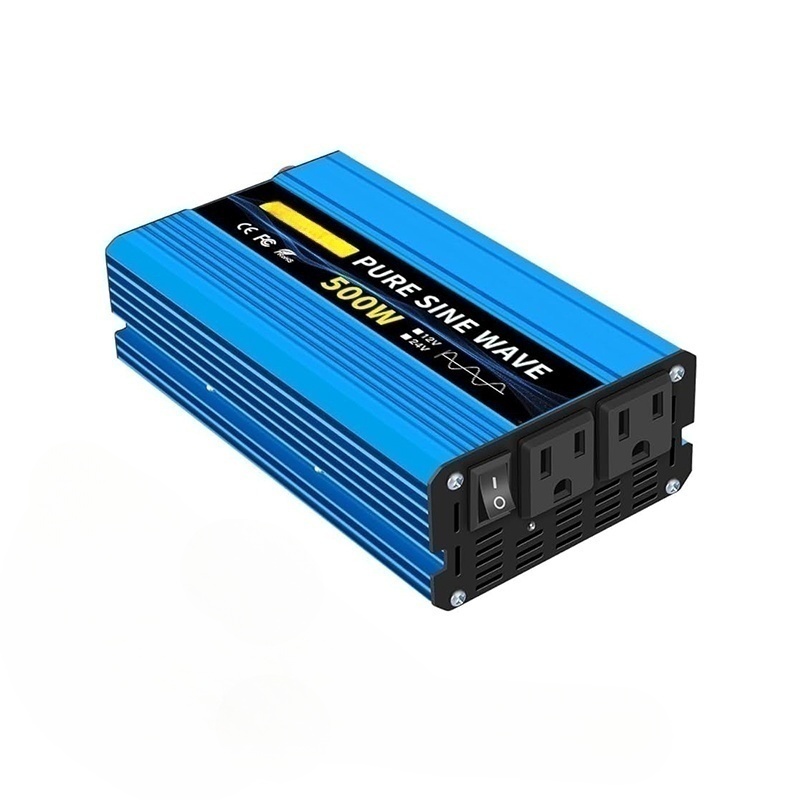
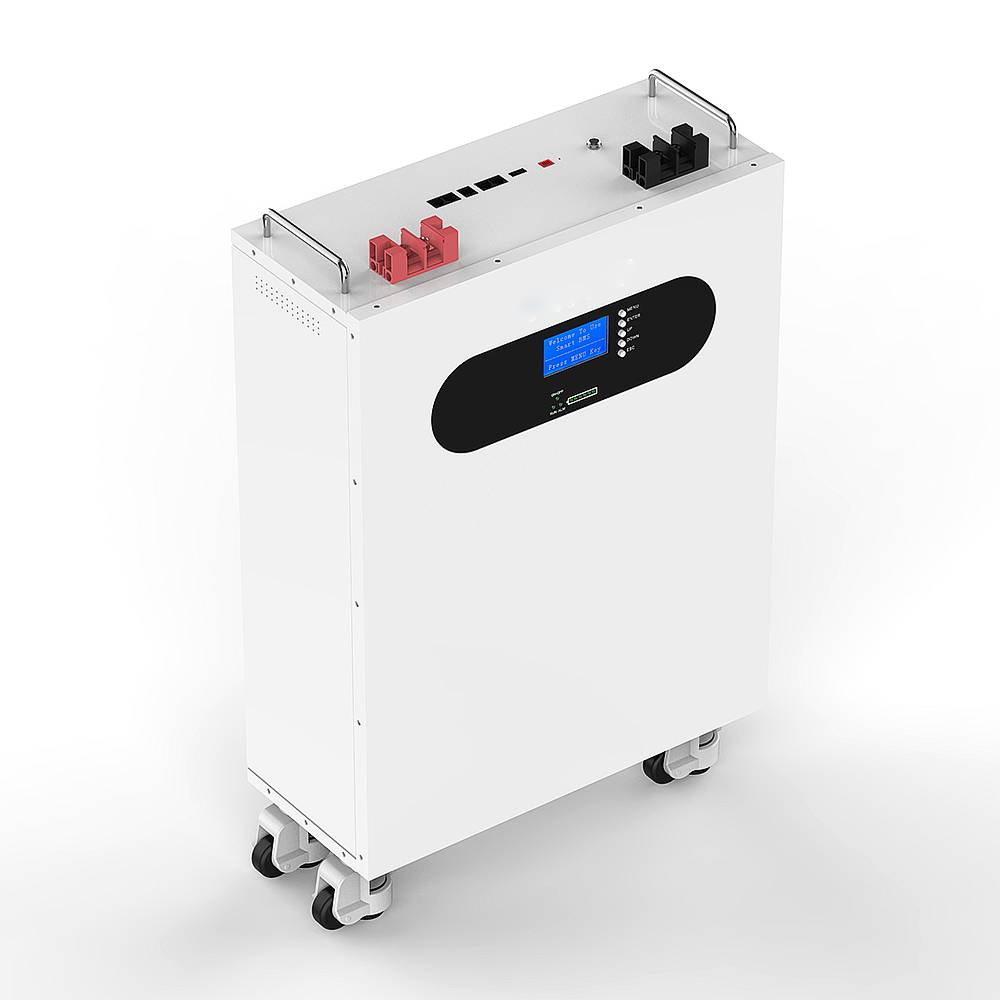
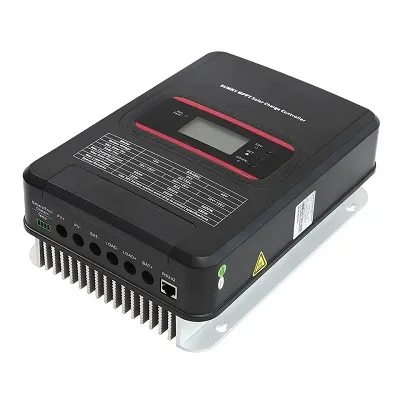
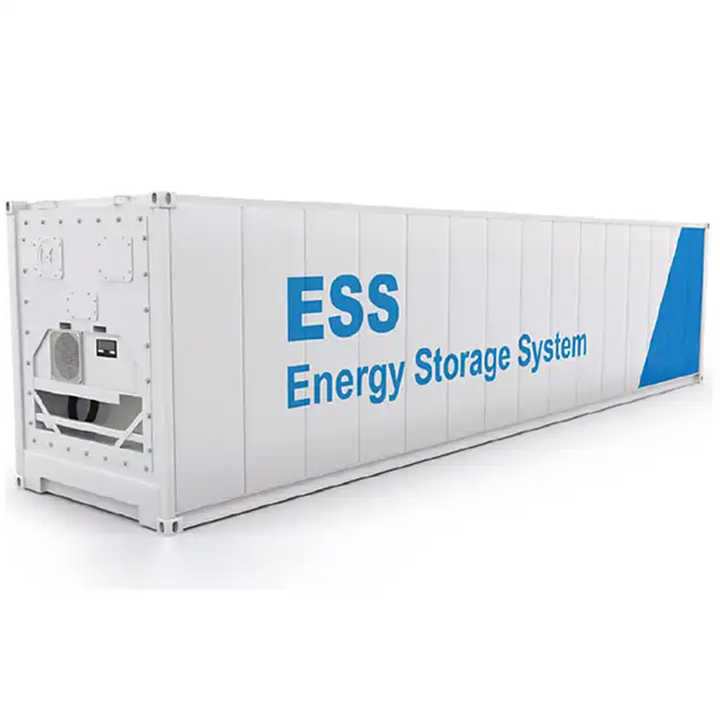
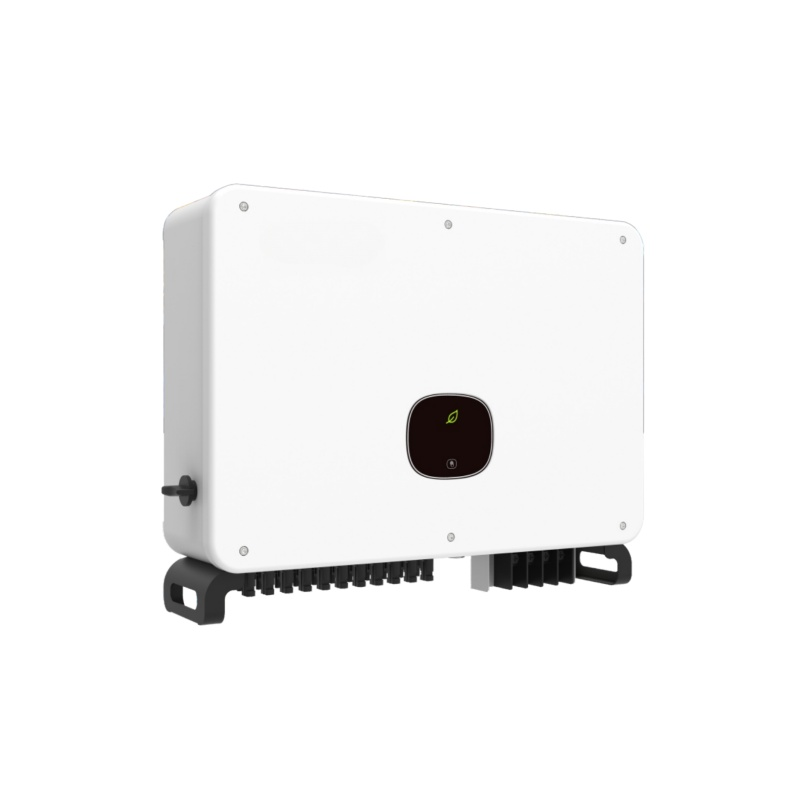
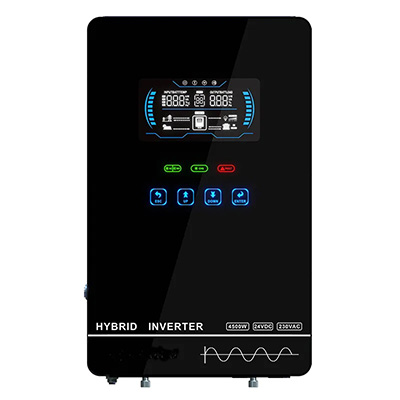
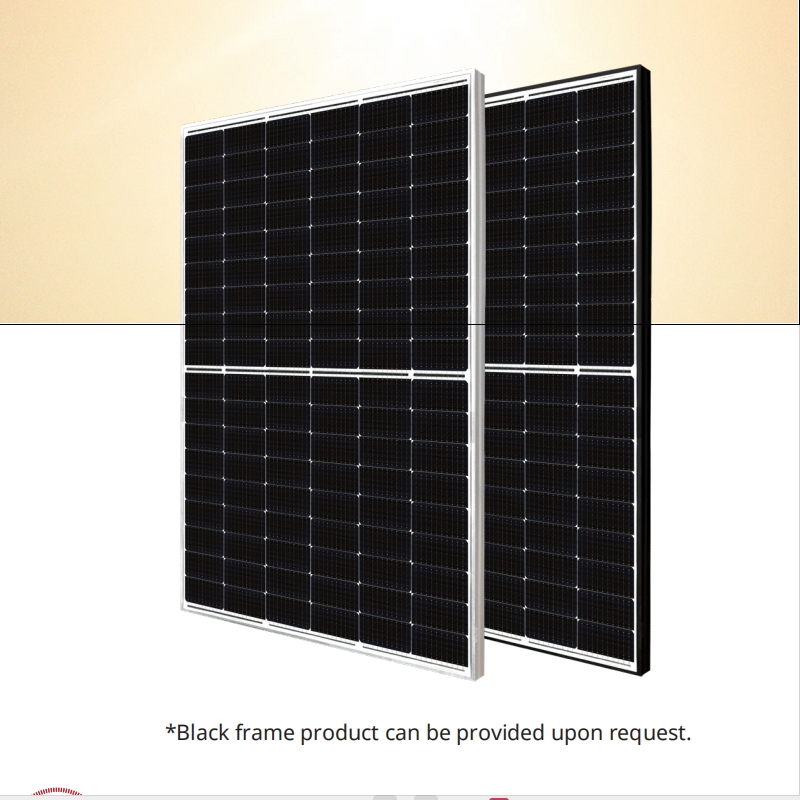
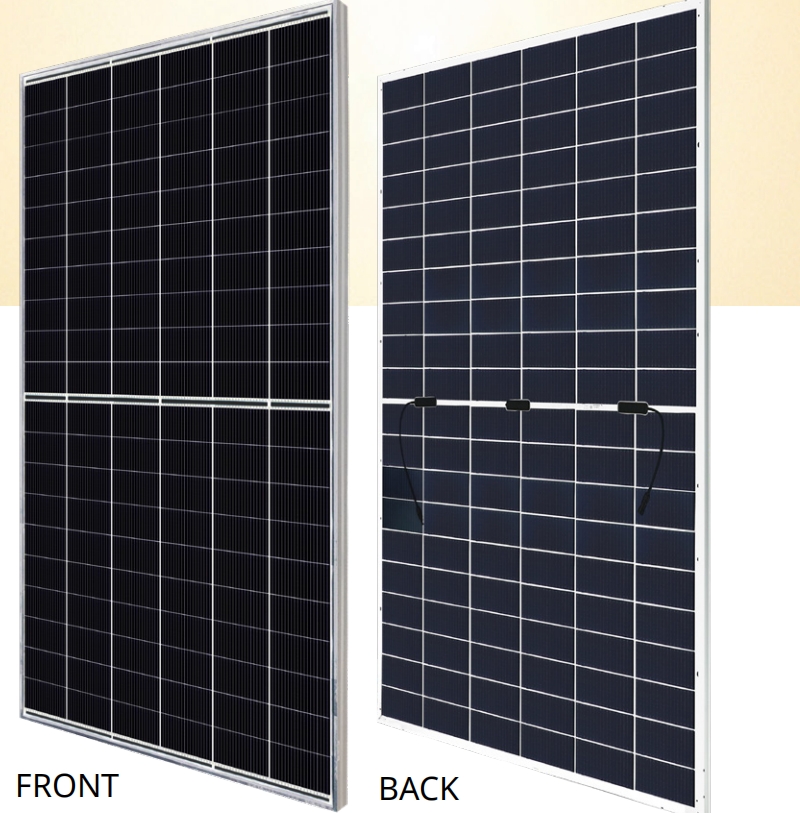
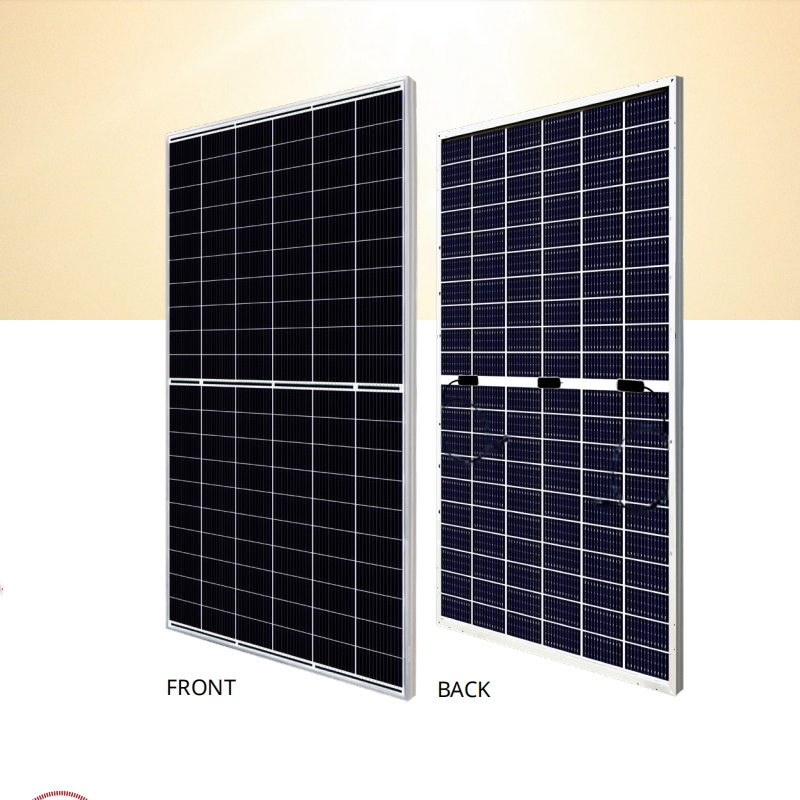
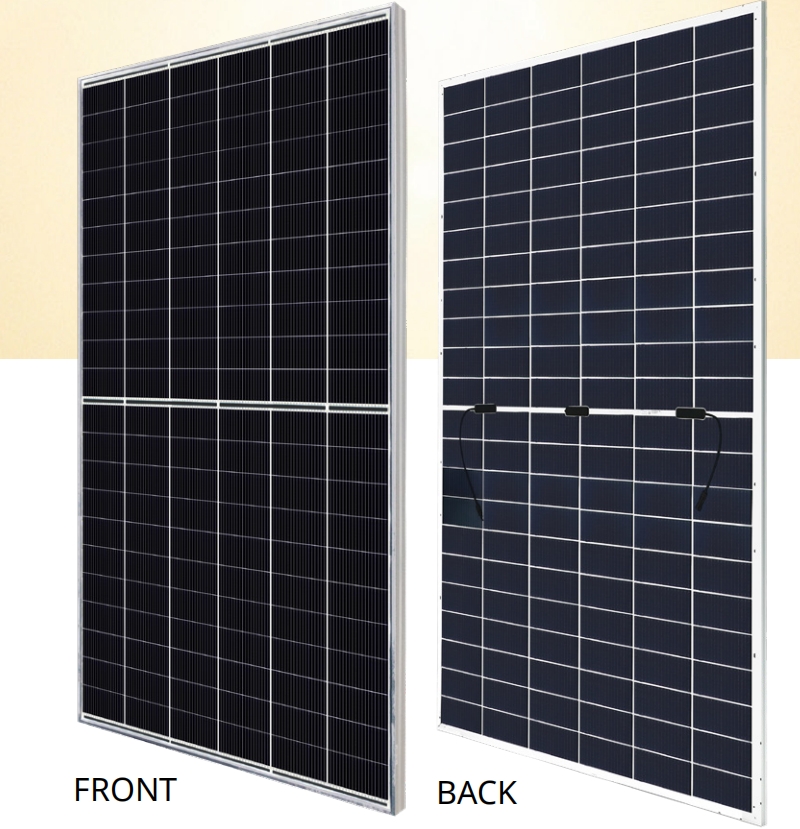

Custom Solar Products For Your Industries
We provide custom solutions to all our customers and offer free consulting or samples that you can take advantage of.
Part 4.Understanding Solar Panel Specifications
To make an informed decision, it’s important to understand the key specifications listed on solar panel data sheets. Here are the most important specs to look for:
Power Output
Measured in watts (W), power output indicates how much electricity the panel can produce under standard test conditions. Higher wattage panels generate more power, but they may also be larger and more expensive.
Efficiency Rating
As mentioned earlier, efficiency rating is the percentage of sunlight converted into electricity. Look for panels with higher efficiency ratings for better performance.
Temperature Coefficient
The temperature coefficient indicates how much the panel’s performance decreases as temperatures rise. A lower temperature coefficient means the panel will perform better in hot climates.
Warranty Terms
Pay close attention to the warranty terms, including the length of the warranty and what it covers. A standard warranty should guarantee at least 80% performance after 25 years.
Understanding these specifications will help you compare different panels and choose the one that best suits your needs.
Part 5.Cost of Solar Panels in the USA
The cost of solar panels in the USA has decreased significantly over the past decade, making solar energy more accessible than ever. However, prices can still vary based on several factors.
Average Cost per Watt
As of 2023, the average cost of solar panels in the USA is around $2.50 to $3.50 per watt. For a typical 6kW system, this translates to $15,000 to $21,000 before incentives.
Total System Cost
The total cost of a solar panel system includes not only the panels themselves but also the inverter, mounting hardware, wiring, and installation labor. Be sure to get a comprehensive quote that includes all these components.
Factors Affecting Cost
Several factors can influence the cost of your solar panel system, including:
System size
Type of panels
Roof complexity
Location
Installer rates
Financing Options
Many homeowners choose to finance their solar panel systems through loans, leases, or power purchase agreements (PPAs). Each option has its pros and cons, so it’s important to research and choose the one that best fits your financial situation.
By understanding the costs involved and exploring financing options, you can make solar energy more affordable and accessible.
Part 6.Incentives and Rebates for Solar Panels in the USA
One of the biggest advantages of installing solar panels in the USA is the availability of incentives and rebates that can significantly reduce the upfront cost. Here are some of the key programs to take advantage of:
Federal Tax Credit
The federal solar investment tax credit (ITC) allows homeowners to claim 26% of the cost of their solar panel system as a tax credit. This credit is available through 2023, after which it will decrease to 22% in 2024.
State-Specific Incentives
Many states offer additional incentives, such as rebates, tax credits, or performance-based incentives. For example, California offers the California Solar Initiative, while New York has the NY-Sun Incentive Program. Check the Database of State Incentives for Renewables & Efficiency (DSIRE) for information on incentives in your state.
Utility Company Rebates
Some utility companies offer rebates or incentives for installing solar panels. These programs vary by location, so contact your local utility provider to see what options are available.
By taking advantage of these incentives, you can significantly reduce the cost of your solar panel system and shorten the payback period.
Part 7.Choosing a Solar Panel Installer
Installing solar panels is a complex process that requires professional expertise. Choosing the right installer is crucial to ensuring your system is installed correctly and performs optimally. Here’s how to find a reputable installer:
Importance of Professional Installation
A certified installer will ensure your system is designed and installed to meet local codes and regulations, maximizing efficiency and safety.
How to Find a Reputable Installer
Ask for recommendations from friends, family, or neighbors who have installed solar panels.
Research online reviews and ratings on platforms like Yelp or Google.
Check for certifications from organizations like the North American Board of Certified Energy Practitioners (NABCEP).
Questions to Ask Potential Installers
Are you licensed and insured?
How many solar installations have you completed?
Can you provide references from past customers?
What warranties do you offer on installation work?
Do you handle permitting and inspections?
By carefully vetting potential installers, you can ensure a smooth and successful installation process.
Part 8.Installation Process
Understanding the solar panel installation process can help you prepare for what to expect. Here’s a step-by-step overview:
Site Assessment
An installer will visit your home to assess your roof’s condition, orientation, and shading to determine the best placement for your panels.
Permitting
Your installer will handle the necessary permits and paperwork required by your local government and utility company.
Installation Timeline
The actual installation typically takes 1-3 days, depending on the size and complexity of the system.
Post-Installation Inspection
After installation, your system will be inspected to ensure it meets all safety and performance standards. Once approved, your system will be connected to the grid, and you can start generating solar power.
By understanding each step of the process, you can better prepare for a successful installation.
Part 9.Maintenance and Care
Solar panels are designed to be low-maintenance, but there are a few things you can do to ensure they perform optimally:
Cleaning Solar Panels
Dust, dirt, and debris can accumulate on your panels, reducing their efficiency. Clean your panels with water and a soft brush or cloth as needed, typically once or twice a year.
Monitoring Performance
Most solar panel systems come with monitoring software that allows you to track energy production in real-time. Regularly check your system’s performance to identify any issues early.
Dealing with Issues
If you notice a significant drop in performance, contact your installer or manufacturer for assistance. Common issues include inverter malfunctions or damaged panels, which may be covered under warranty.
By following these maintenance tips, you can keep your solar panels operating at peak efficiency for years to come.
Part 10.Environmental Impact and Sustainability
Investing in solar panels not only benefits your wallet but also the environment. Here’s how:
Carbon Footprint Reduction
Solar energy is a clean, renewable source of power that produces zero emissions. By switching to solar, you can significantly reduce your carbon footprint and contribute to the fight against climate change.
Energy Independence
Generating your own electricity reduces your reliance on fossil fuels and the grid, promoting energy independence and security.
Recycling Solar Panels
At the end of their lifespan, solar panels can be recycled to recover valuable materials like glass, aluminum, and silicon. Many manufacturers and organizations are working to improve solar panel recycling programs.
By choosing solar energy, you’re making a positive impact on the environment and supporting a more sustainable future.
Part 6.Start Your Solar Now
Congratulations! You’ve reached the end of our ultimate solar panel buying guide for the USA. We hope this comprehensive resource has provided you with the knowledge and confidence to make an informed decision about investing in solar energy.
To recap, we’ve covered the different types of solar panels, key factors to consider when buying, how to understand specifications, costs and financing options, incentives and rebates, choosing an installer, the installation process, maintenance tips, and the environmental benefits of solar energy.
Now, it’s time to take the next step. Start by researching local installers, getting quotes, and exploring financing options. With the right information and preparation, you’ll be well on your way to harnessing the power of the sun and enjoying the many benefits of solar energy.
Thank you for reading, and we wish you the best of luck on your solar journey!
Custom Solar Products For Your Industries
We provide custom solutions to all our customers and offer free consulting or samples that you can take advantage of.
