Discover the Technology Behind Off-Grid Solar Inverter Manufacturers
Are you dreaming of cutting ties with the utility grid and powering your life with the sun? If so, you’ve likely come across off-grid solar inverters—the unsung heroes of independent solar systems. These devices take the raw energy captured by your solar panels and transform it into electricity you can actually use to run your fridge, charge your phone, or light up your home. But what makes these inverters tick? How do manufacturers pack so much innovation into a single box? In this deep dive, you’ll uncover the fascinating technology behind off-grid solar inverter manufacturers, explore how these devices work from multiple angles, and learn what to look for when choosing one for your own setup. Buckle up—this is going to be an enlightening ride!
Part 1. Iwis Solar Manufacturers in China
Custom Solar Products For Your Industries
Part 2.Understanding Off-Grid Solar Inverters: Your Gateway to Energy Freedom
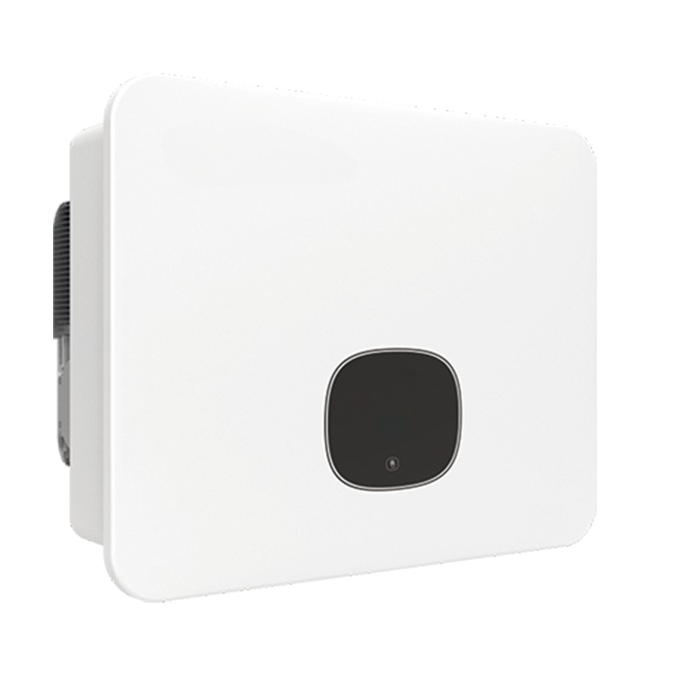
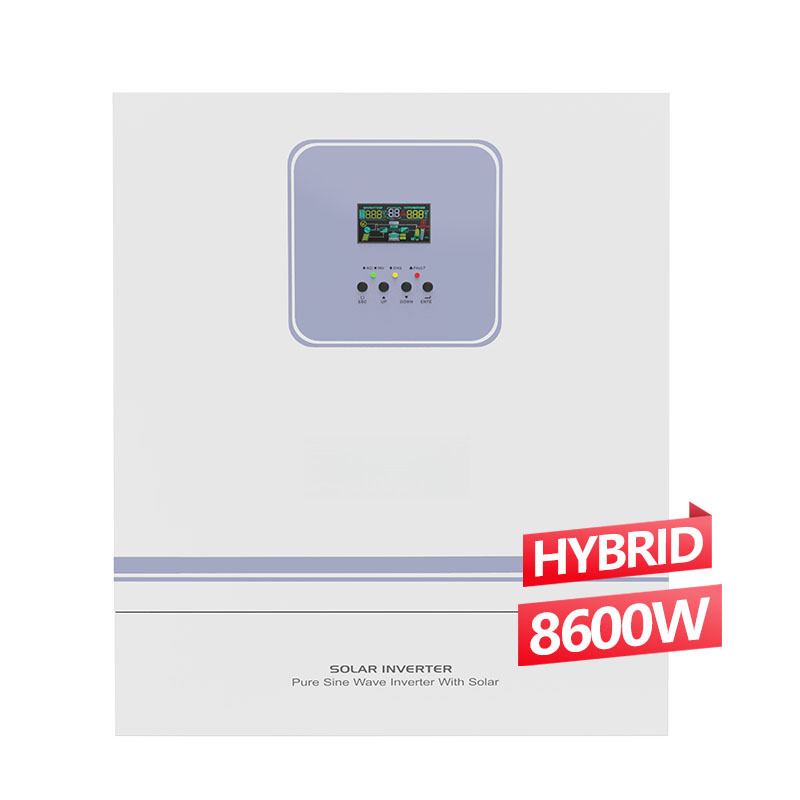
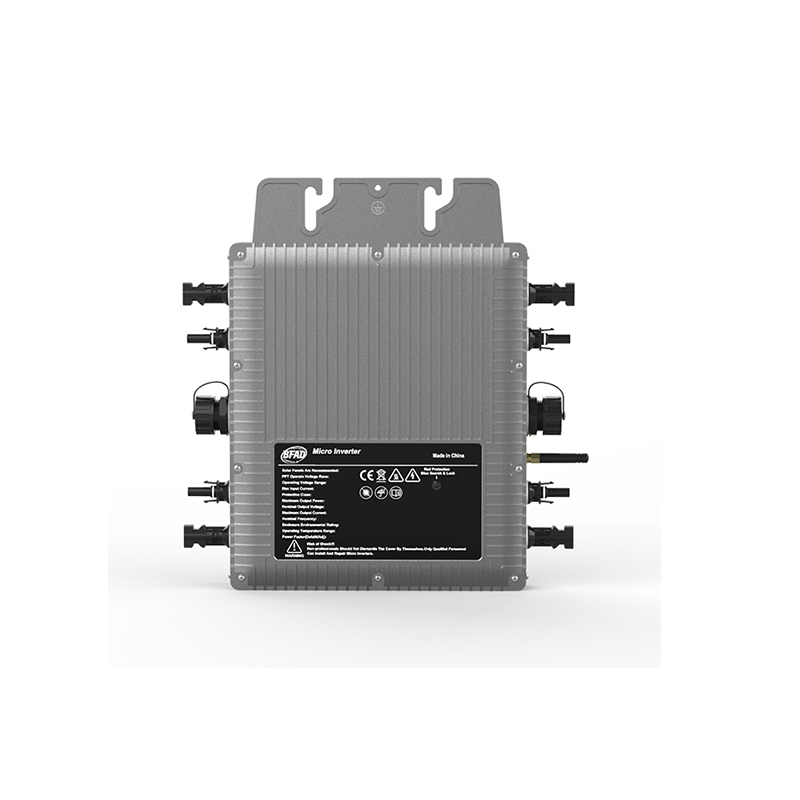
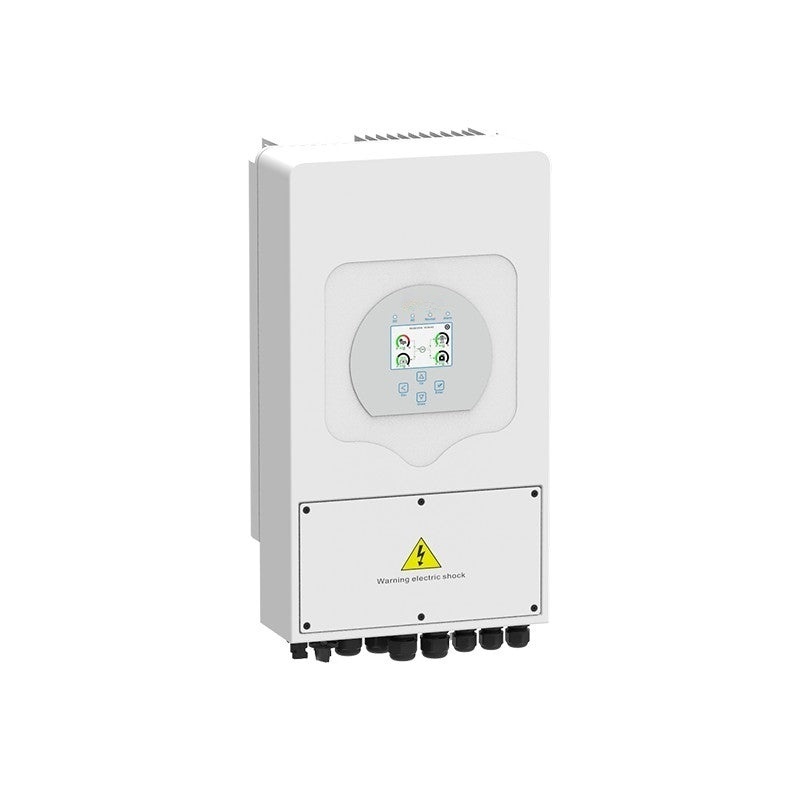
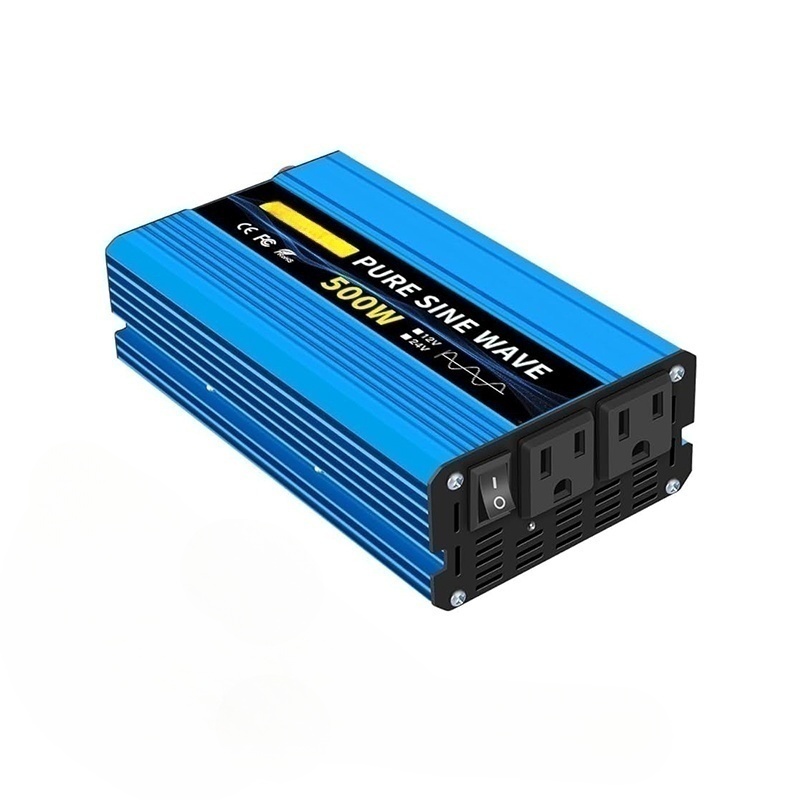
Let’s start with the basics. An off-grid solar inverter is the bridge between your solar panels and your appliances. Solar panels generate direct current (DC) electricity—think of it as a steady stream of power flowing in one direction. Most of your household gadgets, however, run on alternating current (AC)—a type of electricity that flips back and forth like a wave. The inverter’s job? To convert that DC stream into an AC wave you can use.
What makes off-grid inverters special is their ability to stand alone. Unlike grid-tied inverters, which rely on the utility grid as a backup, off-grid models are built for independence. Whether you’re in a remote cabin, an RV rolling through the wilderness, or a home where the grid just isn’t reliable, these inverters ensure you’ve got power when you need it. But pulling off that kind of self-sufficiency takes some serious tech wizardry. Let’s peel back the layers and see what’s inside.
Part 3. The Core Technology: Turning DC into AC
Imagine your inverter as a master chef, taking the raw ingredients from your solar panels and whipping up a perfectly cooked AC dish for your appliances. The secret sauce here is something called DC-to-AC conversion, and it’s the beating heart of every off-grid solar inverter.
How It Works: Pulse-Width Modulation (PWM)
Most modern inverters rely on a technique called pulse-width modulation, or PWM for short. Picture this: the inverter chops up the steady DC voltage into a series of tiny pulses. By tweaking the width of those pulses—making some longer and others shorter—it crafts an AC waveform that mimics the smooth, oscillating power you’d get from the grid. It’s like turning a flat line into a rollercoaster, all through clever timing.
Waveform Quality: Pure Sine vs. Modified Sine
Not all AC waves are created equal, though. You’ve got two main flavors to choose from:
- Pure Sine Wave: This is the premium option—a smooth, flowing wave that’s identical to grid power. Your laptop, TV, and even that finicky coffee maker will love it. It’s the safest bet for all your devices, especially sensitive electronics.
- Modified Sine Wave: Think of this as a blocky, stair-step version of AC. It’s cheaper, sure, but it can make some appliances hum, overheat, or flat-out refuse to work. If you’re powering basic stuff like lights or fans, it might do the trick, but for anything high-tech, steer clear.
When you’re shopping for an inverter, go for a pure sine wave model if you can swing it. The extra cost upfront saves you headaches—and maybe a fried gadget—down the road.
What Other Solar or Power Products You Want
Custom Solar Products For Your Industries
We provide custom solutions to all our customers and offer free consulting or samples that you can take advantage of.
Part 4.Battery Management: Storing Sunshine for a Rainy Day
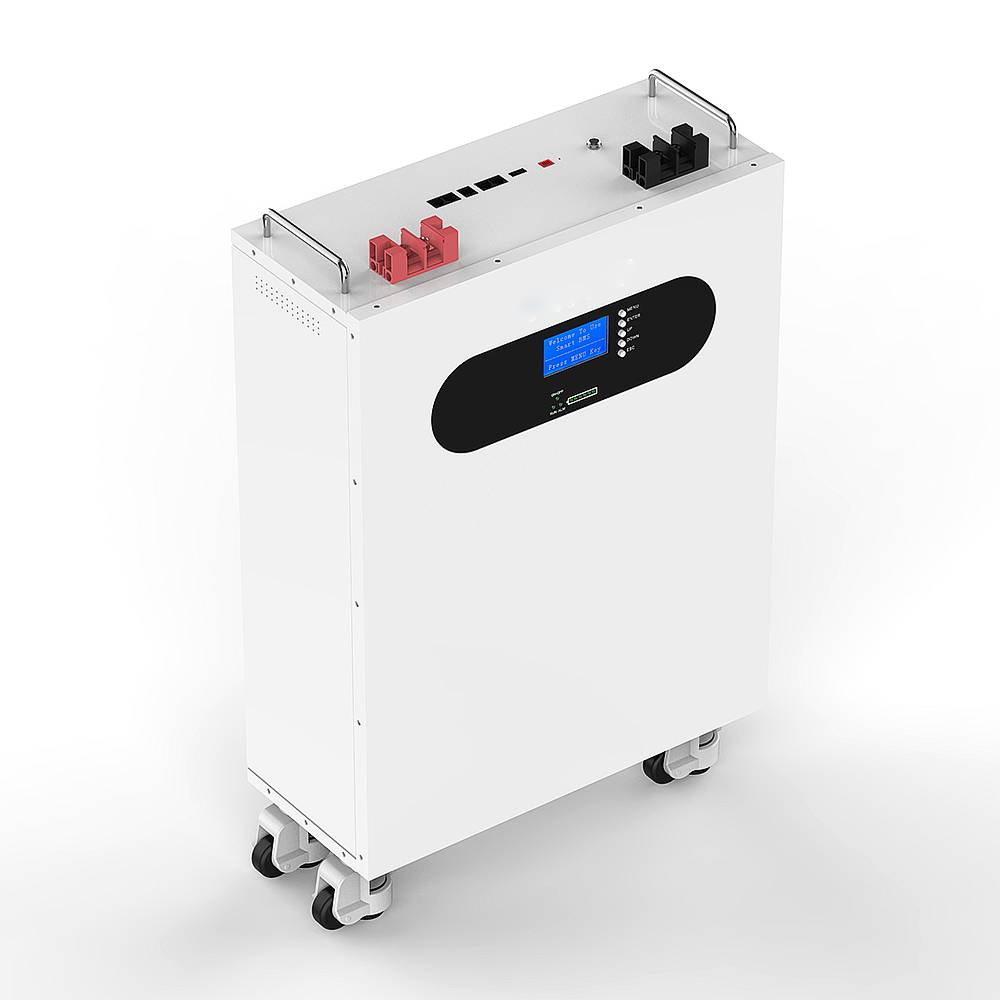
Solar power’s great when the sun’s out, but what about at night or during a storm? That’s where batteries come in, and your off-grid inverter is the brains behind keeping them charged and ready. This is a big deal because, without the grid to lean on, your system lives or dies by its battery game.
Charging and Discharging: A Delicate Dance
Here’s what your inverter does with those batteries:
- Charges Them Up: When your panels are soaking up more sun than you need, the inverter funnels that extra juice into your batteries, storing it for later.
- Powers Your Home: When the sun dips below the horizon, the inverter pulls energy from the batteries to keep your lights on and your life humming.
- Protects the Pack: Overcharge or drain your batteries too far, and you’ll shorten their lifespan—or kill them outright. A good inverter keeps things in check, stopping the charge when they’re full and cutting off the draw before they’re dangerously low.
Advanced Features: Equalization and More
Some inverters go the extra mile with tricks like equalization charging. This is a controlled overcharge that balances the cells in your battery, keeping them healthy and happy over the long haul. If you’re using lead-acid batteries, this can be a game-changer. Lithium-ion users? You might not need it, but you’ll still want an inverter that plays nice with your battery chemistry.
When you’re picking an inverter, check its battery smarts. Does it support your battery type? Can you tweak the charging settings? A little customization here can mean years more life for your storage system.
Part 5.Grid Independence: Standing Tall on Its Own
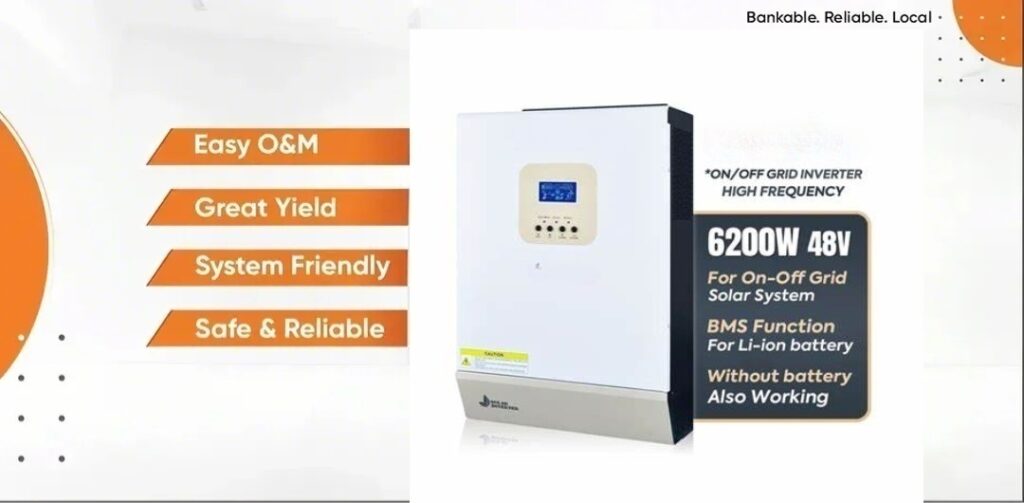
Here’s where off-grid inverters really shine—or rather, power up. Without a utility grid to fall back on, these devices have to shoulder your entire electrical load, no excuses. That’s a tall order, and manufacturers pack in some clever features to make it happen.
Sizing It Right
First, your inverter needs to be big enough to handle your maximum load. Add up the wattage of everything you might run at once—lights, fridge, microwave, you name it—and then some. A good rule of thumb? Aim for an inverter rated at least 25% above that total. That headroom keeps it from sweating too hard and gives you room to grow.
Surge Power: Handling the Big Spikes
Ever notice how your AC unit groans when it kicks on? That’s a surge—a brief spike in power demand that can trip up a weaker inverter. Off-grid models are built to take these hits, with surge capacity that lets them deliver extra juice for a few seconds. Look for specs like “2x continuous power for 5 seconds” to know it can handle your heavy hitters.
Backup Options: Generator Auto-Start
Some inverters even come with a cherry on top: generator auto-start. If your batteries are running dry after days of clouds, this feature fires up a backup generator automatically. It’s like having a safety net for your solar independence—pretty handy if you’re off-grid full-time.
Part 6.Efficiency: Squeezing Every Drop of Power
In the off-grid world, wasting energy isn’t an option. That’s why efficiency is a make-or-break spec for inverters. It’s all about how much of that precious DC power from your panels or batteries makes it through as usable AC power.
Why It Matters
A top-tier inverter might hit 95% efficiency or better, meaning only 5% of your energy turns into heat instead of light or motion. Sounds small, right? But over days, weeks, and months, those losses add up—especially when you’re counting every watt. A high-efficiency model stretches your solar harvest further, keeping your batteries fuller and your system happier.
Efficiency Across the Board
Here’s a pro tip: don’t just look at peak efficiency. Some inverters shine at full blast but slack off when you’re only running a few things. Check the efficiency curve—how it performs at 25%, 50%, and 75% load. Off-grid life is all about ebb and flow, so you want an inverter that’s efficient no matter how much you’re using.
Part 7. Monitoring and Control: Your Window into the System
Gone are the days of guessing how your solar setup’s doing. Modern off-grid inverters come loaded with monitoring and control features that put you in the driver’s seat, whether you’re at home or halfway around the world.
What You Get
- Real-Time Stats: See your solar production, battery levels, and how much power you’re using, all at a glance.
- History Lessons: Track trends over time—spot when your panels need a clean or your batteries start fading.
- Remote Access: Many inverters pair with apps or web portals, so you can peek at your system from your phone, no matter where you roam.
Next-Level Control
Fancy inverters might even let you set rules—like turning off non-essentials if the batteries dip too low. It’s like having a tiny energy manager living inside your system. If you’re tech-savvy or just love staying in the loop, these features are worth their weight in gold.
Part 8.Choosing the Right Off-Grid Solar Inverter for You
Feeling a little dizzy with all these options? Don’t worry—picking the perfect inverter boils down to a few key questions:
- How Much Power Do You Need? Tally your watts and add a buffer—125% of your max load is a safe bet.
- Pure Sine or Modified? Stick with pure sine unless you’re on a shoestring budget.
- Battery Match? Confirm it works with your battery voltage and type (12V, 24V, 48V; lead-acid, lithium, etc.).
- Efficiency Goals? Aim for 90%+ across the load range.
- Monitoring Must-Haves? Decide if you want basic displays or full-on remote control.
- Who’s Behind It? Go for a brand with a solid rep and real customer support—not a fly-by-night outfit.
- Warranty Worries? Longer is better—5 years or more means they stand by their gear.
Cheap inverters might tempt you, but a quality unit from a trusted manufacturer is an investment in peace of mind. You’re building a lifestyle here, not just a gadget collection.
Part 9.Installation and Maintenance: Setting Yourself Up for Success
Got your inverter picked out? Awesome—now let’s get it humming. A little care in setup and upkeep goes a long way toward keeping it running strong.
Installation Tips
- Spot It Right: Pick a cool, dry spot with good airflow. Heat kills electronics, so skip the sunny attic corner.
- Wire Smart: Use thick-enough cables (check the manual!) to avoid power loss or fire risks.
- Ground It: Proper grounding isn’t optional—it’s your safety net. Call a pro if you’re unsure.
- Let It Breathe: If it’s got a fan, give it space to vent—no stacking stuff on top.
Maintenance Tricks
- Eyeball It: Every few months, look for dust, cracks, or weird smells.
- Keep It Clean: Wipe off grime—dust is an insulator that traps heat.
- Update It: If it’s got software, grab the latest firmware for new perks or fixes.
- Love Your Batteries: The inverter’s only as good as its power source, so follow battery care rules too.
Treat your inverter right, and it’ll repay you with years of reliable service.
Part 10.Wrapping It Up: Your Path to Solar Independence
Feeling a little dizzy with all these options? Don’t worry—picking the perfect inverter boils down to a few key questions:
- How Much Power Do You Need? Tally your watts and add a buffer—125% of your max load is a safe bet.
- Pure Sine or Modified? Stick with pure sine unless you’re on a shoestring budget.
- Battery Match? Confirm it works with your battery voltage and type (12V, 24V, 48V; lead-acid, lithium, etc.).
- Efficiency Goals? Aim for 90%+ across the load range.
- Monitoring Must-Haves? Decide if you want basic displays or full-on remote control.
- Who’s Behind It? Go for a brand with a solid rep and real customer support—not a fly-by-night outfit.
- Warranty Worries? Longer is better—5 years or more means they stand by their gear.
Cheap inverters might tempt you, but a quality unit from a trusted manufacturer is an investment in peace of mind. You’re building a lifestyle here, not just a gadget collection.
Custom Solar Products For Your Industries
We provide custom solutions to all our customers and offer free consulting or samples that you can take advantage of.