Solar Lithium Battery Buying Guide in New York
Part 1. Iwis Solar Manufacturers in China
Custom Solar Products For Your Industries
Part 2.Introduction to Solar Lithium Batteries and Their Benefits in New York
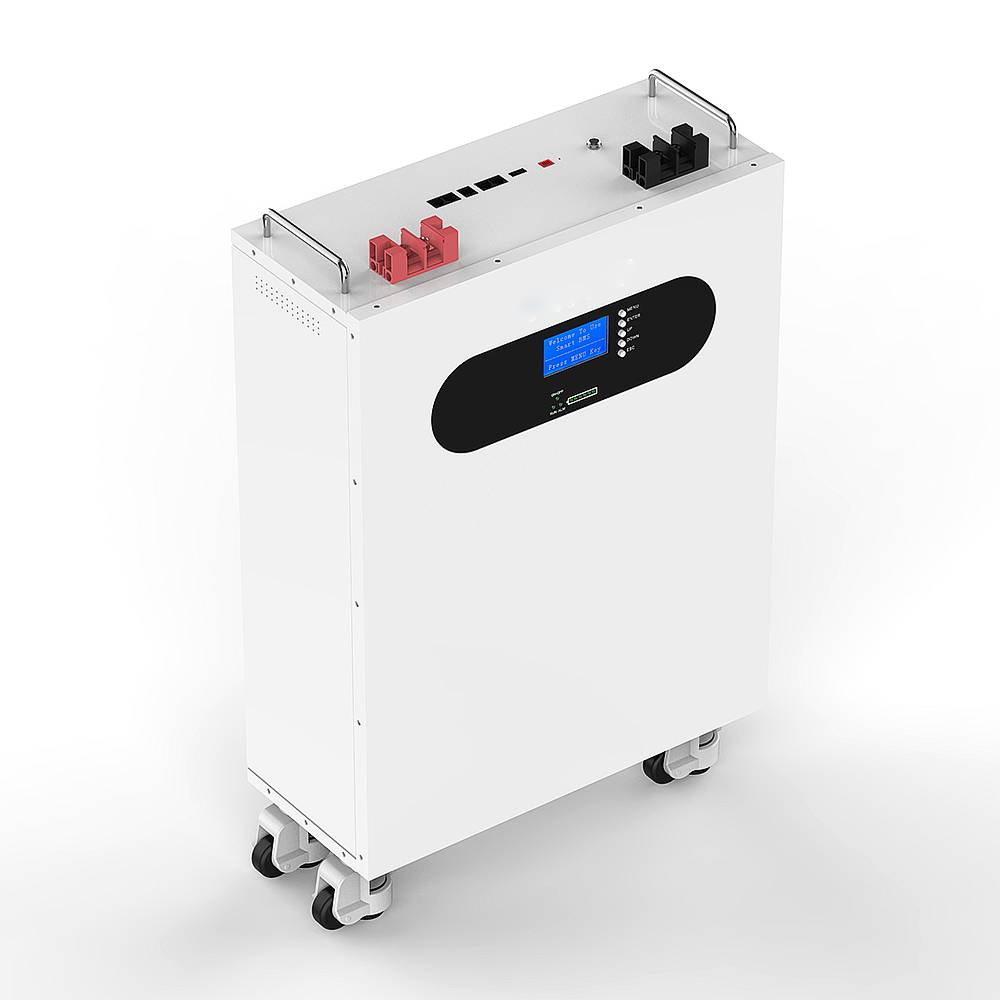
Solar lithium batteries are rechargeable energy storage solutions designed to store excess electricity generated by solar panels. This stored energy can be used when solar production is low, such as at night, during cloudy weather, or during power outages. In New York, where electricity rates are among the highest in the U.S. and the state is actively promoting renewable energy through initiatives like the Climate Leadership and Community Protection Act, these batteries offer significant advantages. Benefits include:
Cost Savings: Reduce reliance on the grid and lower electricity bills.
Backup Power: Ensure energy availability during outages, which are common due to storms in New York.
Energy Independence: Gain control over your energy usage and support the state’s renewable energy goals.
This guide will provide a detailed roadmap to help you choose, purchase, and install a solar lithium battery in New York.
Part 3 Types of Solar Lithium Batteries Available
Several types of solar lithium batteries are available, each with unique characteristics:
Lithium-Ion: Known for high energy density and efficiency, making them ideal for compact residential systems. However, they may have a shorter lifespan and higher risk of thermal runaway.
Lithium Iron Phosphate (LiFePO4): Offers superior safety, longer cycle life (up to 5,000+ cycles), and stability, though they have lower energy density. Best for safety-conscious buyers.
Lithium Nickel Manganese Cobalt (NMC): Balances energy density and safety, often used in larger systems. They provide good performance but may cost more.
Choosing a Type: Prioritize LiFePO4 for longevity and safety, lithium-ion for efficiency, or NMC for a middle ground, depending on your needs.
What Other Solar or Power Products You Want
Custom Solar Products For Your Industries
We provide custom solutions to all our customers and offer free consulting or samples that you can take advantage of.
Part 4. Factors to Consider When Choosing a Solar Lithium Battery
Selecting the right battery involves evaluating these key factors:
Capacity (kWh): Measures how much energy the battery can store. A 10 kWh battery, for example, can power a typical home’s essential loads for several hours. Assess your daily energy usage to determine the right size.
Power Output (kW): Indicates how much energy the battery can deliver at once. A 5 kW output can handle high-demand appliances like air conditioners.
Efficiency: Refers to the percentage of stored energy you can actually use. Look for batteries with 90%+ efficiency to minimize losses.
Cycle Life: The number of charge-discharge cycles a battery can endure before capacity drops significantly (e.g., to 80%). LiFePO4 often exceeds 5,000 cycles, while lithium-ion may offer 2,000–3,000.
Warranty: Typically ranges from 5 to 15 years. A longer warranty reflects durability and manufacturer confidence.
Tip: Match capacity and power to your household needs, and prioritize efficiency and cycle life for long-term value.
Part 5.Costs and Incentives for Solar Lithium Batteries in New York
The cost of a solar lithium battery system in New York typically ranges from $10,000 to $15,000, depending on capacity, brand, and installation fees. However, incentives can significantly reduce this expense:
Federal Investment Tax Credit (ITC): Claim 30% of the system cost if the battery is charged by solar panels (valid through 2032, then phased down).
NYSERDA Incentives: The New York State Energy Research and Development Authority offers rebates for energy storage, varying by region and project size.
PSEG LI Program: Long Island residents can receive $250 per kWh of storage capacity as an upfront incentive.
Example: A 10 kWh battery costing $12,000 could drop to $8,400 after the ITC, with additional savings from state programs. Check eligibility and current rates with NYSERDA or your utility provider.
Part 6. Installation and Maintenance Considerations
Installation: Requires a certified professional to connect the battery to your solar system and comply with local codes. Costs vary but typically add $1,000–$3,000 to the total.
Maintenance: Lithium batteries are low-maintenance but require:
Keeping within recommended temperature ranges (e.g., 32°F–95°F).
Avoiding overcharging or deep discharging.
Periodic inspections to ensure connections and performance.
Advice: Choose an installer experienced with New York regulations to streamline the process.
Part 7.Local Regulations and Safety Requirements in New York
New York has specific rules, especially in urban areas like NYC:
Permits: The NYC Department of Buildings (DOB) requires permits for battery installations. Check local zoning laws elsewhere in the state.
Safety Standards: The Fire Department of New York (FDNY) mandates:
UL 9540 and UL 9540A certifications for fire safety.
Fire-resistant enclosures and proper ventilation.
Compliance: Work with installers familiar with these requirements to avoid fines or delays.
Note: Rural areas may have fewer restrictions, but always verify with your local municipality.
Part 8. Conclusion and Final Tips for Buyers
A solar lithium battery is a valuable investment in New York, offering financial savings and energy reliability. To make the best purchase:
Research brands like Tesla, LG Chem, or Enphase for proven performance.
Compare quotes from multiple suppliers.
Consult solar experts for tailored advice.
Stay updated on incentives and regulations.
Plan for future energy needs, such as adding capacity later.
With careful planning, you’ll maximize the benefits of solar energy storage in New York.
Custom Solar Products For Your Industries
We provide custom solutions to all our customers and offer free consulting or samples that you can take advantage of.