The Ultimate Solar Lithium Battery Buying Guide in the United States
Here’s a detailed guide to help U.S. consumers make an informed decision when purchasing a solar lithium battery. These batteries store energy from solar panels, allowing you to use renewable power when the sun isn’t shining. This guide covers types of batteries, key factors to consider, installation, costs, incentives, and tips for choosing a supplier.
Part 1. Iwis Solar Manufacturers in China
Custom Solar Products For Your Industries
Part 2.Introduction to Solar Lithium Batteries
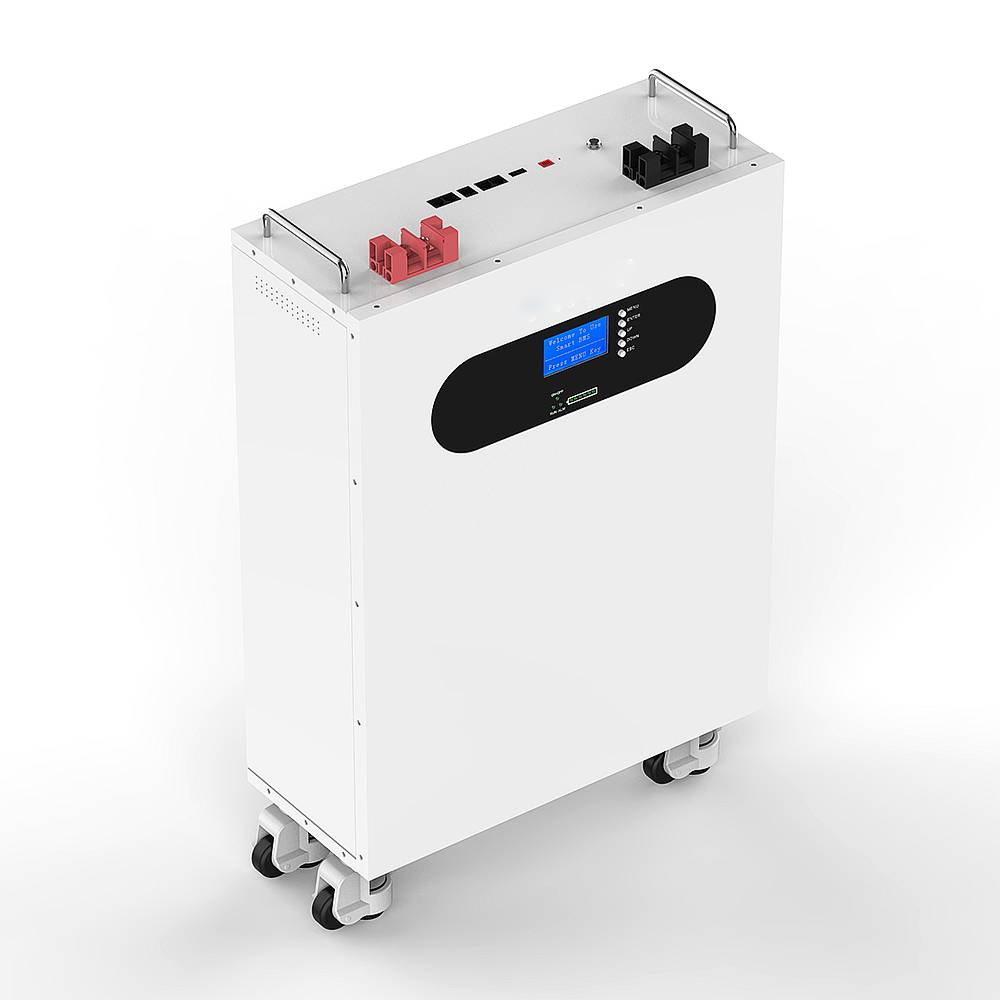
Solar lithium batteries are rechargeable storage devices that hold excess electricity from solar panels. They enable you to:
Maximize energy independence: Rely less on the grid.
Lower electricity bills: Use stored power during peak-rate hours.
Ensure backup power: Keep appliances running during outages.
In the U.S., where energy costs and grid reliability differ by region, solar batteries are a growing choice for homes and businesses.
Part 3 Types of Solar Lithium Batteries
Here are the main types of lithium batteries for solar systems, with their pros and cons:
1. Lithium Iron Phosphate (LiFePO4)
Pros:
High safety (low risk of fire or overheating).
Long lifespan (5,000+ cycles).
Stable in extreme temperatures.
Cons:
Lower energy density (larger size).
Higher upfront cost.
Best for: Safety and longevity seekers.
2. Lithium Nickel Manganese Cobalt (NMC)
Pros:
High energy density (compact design).
Balanced cost and performance.
Common in residential systems.
Cons:
Shorter lifespan (2,000–3,000 cycles).
Higher thermal runaway risk.
Best for: Cost-effective, space-limited users.
3. Lithium Titanate (LTO)
Pros:
Very long cycle life (10,000+ cycles).
Fast charging.
Extreme temperature tolerance.
Cons:
Expensive.
Lower energy density (more space needed).
Best for: Niche needs like fast charging.
Comparison:
LiFePO4: Safest, longest-lasting, but bulkier.
NMC: Compact and affordable, moderate lifespan.
LTO: Premium durability, high cost.
What Other Solar or Power Products You Want
Custom Solar Products For Your Industries
We provide custom solutions to all our customers and offer free consulting or samples that you can take advantage of.
Part 4. Key Factors to Consider
Choosing a battery involves evaluating these factors:
1. Capacity (kWh)
What it is: Total energy storage, in kilowatt-hours.
How to choose: Match to daily usage (e.g., 10 kWh for essentials).
2. Power Output (kW)
What it is: Energy delivered at once, in kilowatts.
How to choose: Ensure it meets peak demands (e.g., 5 kW for heavy appliances).
3. Efficiency
What it is: Percentage of usable stored energy (round-trip efficiency).
How to choose: Aim for 90%+ to reduce losses.
4. Cycle Life
What it is: Number of charge-discharge cycles before 80% capacity remains.
How to choose: Seek 3,000–5,000+ cycles (LiFePO4 excels here).
5. Warranty
What it is: Guarantee of performance, typically 5–15 years.
How to choose: Longer warranties signal quality.
6. Cost
What it is: Upfront price plus installation/maintenance.
How to choose: Balance with lifespan for value.
7. Compatibility
What it is: Fit with your solar panels and inverter.
How to choose: Confirm integration with your system.
Tip: Assess needs (capacity/power), prioritize efficiency/lifespan, and verify compatibility.
Part 5.Installation and Maintenance
Installation
Professional: Certified installers ensure safety and code compliance ($1,000–$3,000).
DIY: Rare and risky for most systems.
Maintenance
Keep within 32°F–95°F.
Use a battery management system (BMS) to avoid overcharging.
Check connections and monitor performance occasionally.
Safety
Ventilate properly and follow local codes.
Advice: Hire a local expert installer.
Part 6. Financial Considerations
Initial Costs
Range: $5,000–$15,000 based on capacity and brand.
Savings
Cut bills by using stored power.
Avoid outage-related costs.
Incentives
Federal ITC: 30% credit through 2032.
State Programs: Examples include California’s SGIP, New York’s NYSERDA, and Massachusetts’ SMART.
Utility Rebates: Check local offers.
Example: A $10,000 system could cost $7,000 after ITC.
Tip: Explore DSIRE for incentives.
Part 7. Environmental Benefits
Reduces fossil fuel use.
Lowers emissions, aiding U.S. net-zero goals.
Stabilizes the grid, cutting peaker plant reliance.
Part 8. Choosing a Manufacturer or Supplier
1. Research Reputation
Top brands: Tesla, LG Chem, Sonnen, Enphase.
2. Read Reviews
Check reliability and satisfaction.
3. Compare Warranties
Seek 10+ years with good support.
4. Get Quotes
Compare three suppliers for value.
Advice: Local suppliers may offer better service.
Part 9. Start Your Solar Now
A solar lithium battery boosts energy independence, savings, and sustainability. To buy smart:
Match capacity/power to your needs.
Favor LiFePO4 for safety or NMC for balance.
Use incentives to cut costs.
Pick a trusted brand.
Plan for future expansion.
This guide equips you to choose the perfect battery for your U.S. home.
Custom Solar Products For Your Industries
We provide custom solutions to all our customers and offer free consulting or samples that you can take advantage of.