The Ultimate Solar Inverter Buying Guide for U.S. Consumers
Welcome to the ultimate buying guide for solar inverters in the United States! If you’re considering investing in a solar energy system for your home or business, choosing the right inverter is crucial. A solar inverter is the heart of your solar energy system, converting the DC electricity generated by your solar panels into AC electricity that can power your appliances or be fed back into the grid. In this guide, we’ll walk you through everything you need to know to make an informed decision and find the perfect solar inverter for your needs.
Part 1. Iwis Solar Manufacturers in China
Custom Solar Products For Your Industries
Part 2.What Is a Solar Inverter and Why Is It Important?
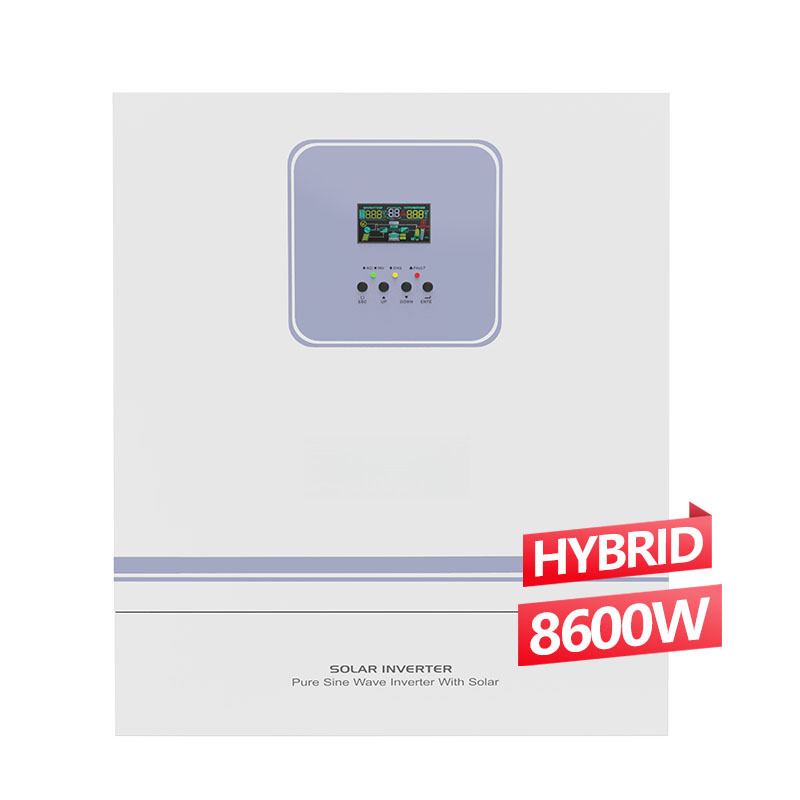
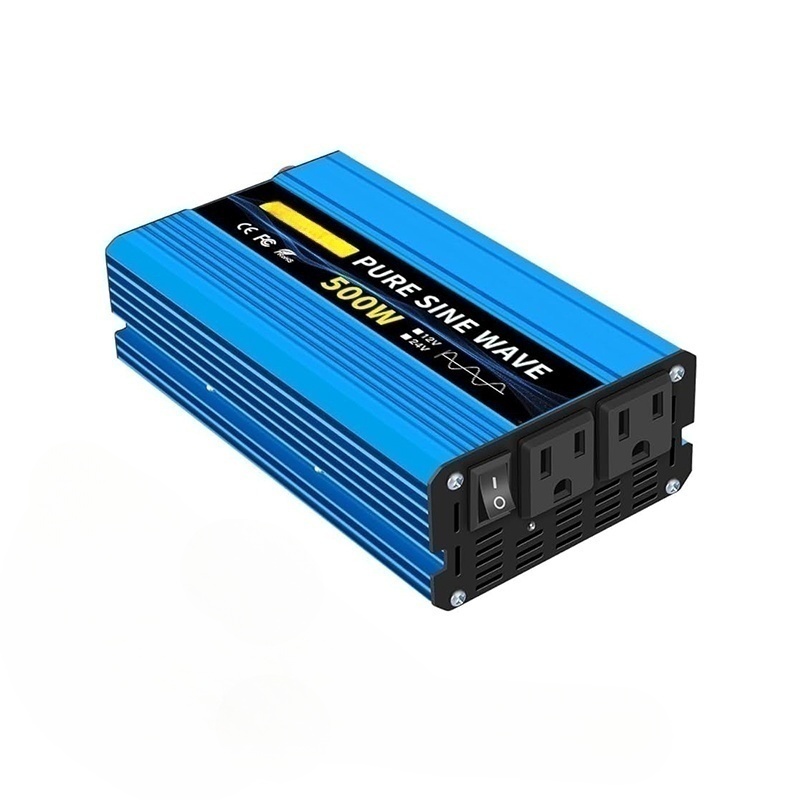
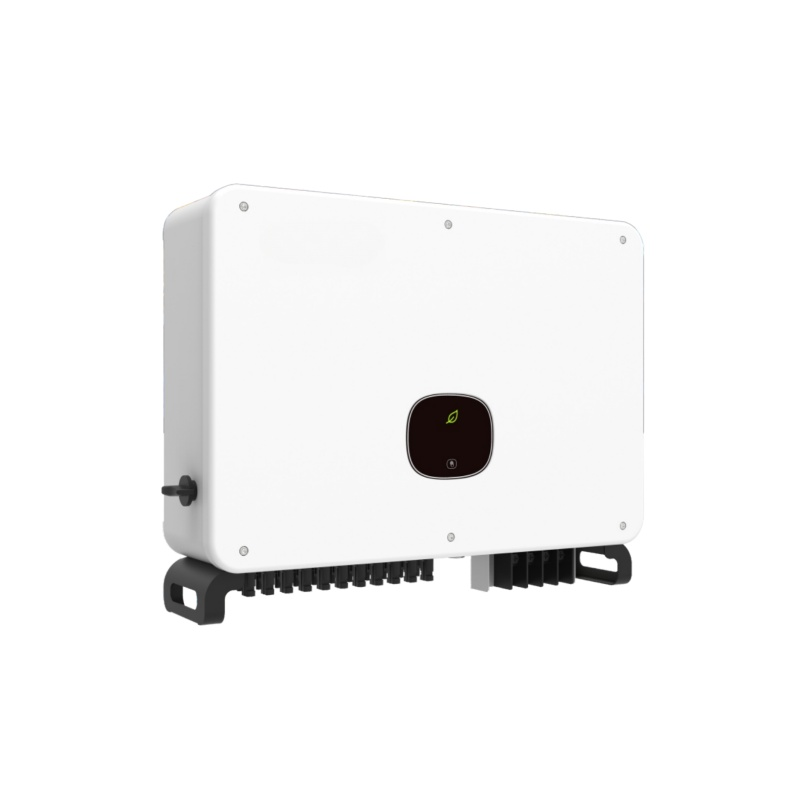
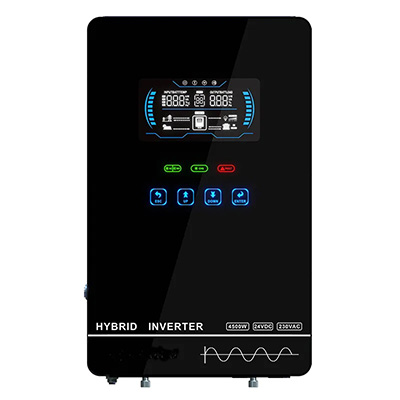
A solar inverter is a critical component of any solar energy system. Its primary function is to convert the direct current (DC) electricity produced by solar panels into alternating current (AC) electricity, which is the type of electricity used in homes and businesses. Without an inverter, the energy generated by your solar panels would be unusable for most applications.
But solar inverters do more than just convert electricity. They also play a key role in optimizing the performance of your solar energy system, monitoring energy production, and ensuring the safety and efficiency of the entire setup. Choosing the right inverter can significantly impact the overall efficiency, reliability, and longevity of your solar power system.
Part 3 Types of Solar Inverters
There are three main types of solar inverters: string inverters, microinverters, and power optimizers. Each type has its own unique characteristics and is suited to different types of solar energy systems.
String Inverters
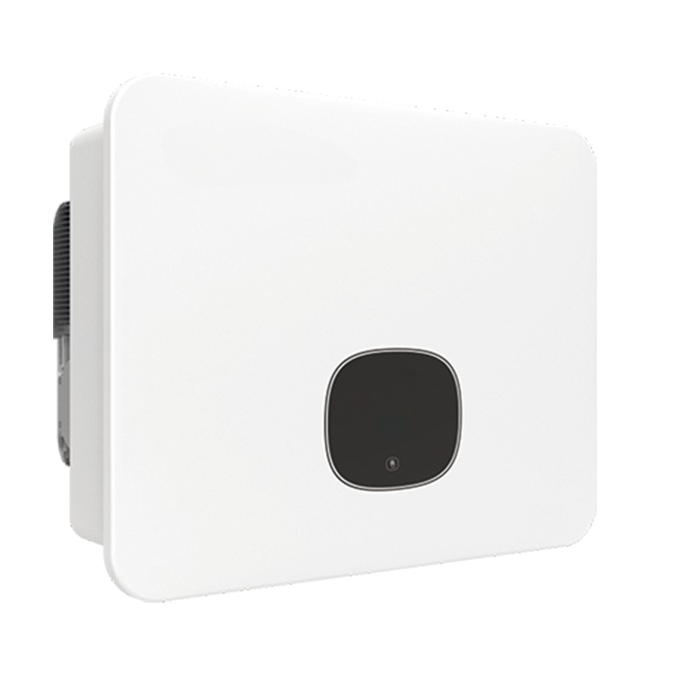
String inverters are the most common and cost-effective option. They are connected to a series of solar panels, known as a string, and convert the DC electricity from the entire string into AC electricity. String inverters are ideal for systems with minimal shading and consistent sunlight exposure.
Pros:
Cost-effective
Simple installation
Proven technology
Cons:
Performance can be affected by shading on one panel
Less flexibility in system design
Microinverters
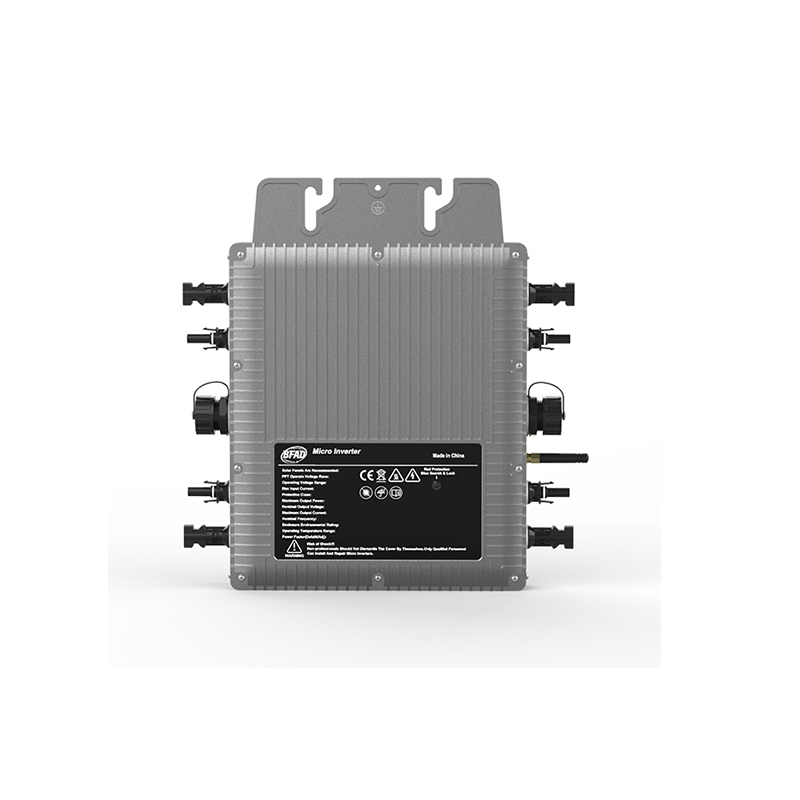
Microinverters are installed on each individual solar panel. This allows for panel-level optimization, meaning that the performance of one panel doesn’t affect the others. Microinverters are great for systems with shading issues or complex roof layouts.
Pros:
Panel-level optimization
Better performance in shaded conditions
Easier to expand the system
Cons:
Higher upfront cost
More components to maintain
Power Optimizers
Power optimizers are a hybrid solution that combines the benefits of string inverters and microinverters. They are installed on each solar panel, like microinverters, but the DC electricity is still converted to AC by a central string inverter. Power optimizers offer panel-level optimization at a lower cost than microinverters.
Pros:
Panel-level optimization
Lower cost than microinverters
Compatible with string inverters
Cons:
Still requires a central inverter
Slightly more complex installation
What Other Solar or Power Products You Want
Custom Solar Products For Your Industries
We provide custom solutions to all our customers and offer free consulting or samples that you can take advantage of.
Part 4.Key Features to Consider When Buying a Solar Inverter
When shopping for a solar inverter, there are several key features to keep in mind:
1. Efficiency
Look for an inverter with a high efficiency rating, as this will ensure that more of the DC electricity generated by your solar panels is converted into usable AC electricity. Most modern inverters have efficiency ratings above 95%, but some high-end models can reach up to 99%.
2. Warranty
A good warranty is essential, as solar inverters are a significant investment. Look for inverters with at least a 10-year warranty, and consider extended warranty options for added peace of mind. Some manufacturers offer warranties up to 25 years.
3. Monitoring Capabilities
Many modern inverters come with built-in monitoring systems that allow you to track your solar energy production in real-time. This can help you identify any issues with your system and optimize its performance. Look for inverters with user-friendly apps or web portals.
4. Compatibility with Battery Storage
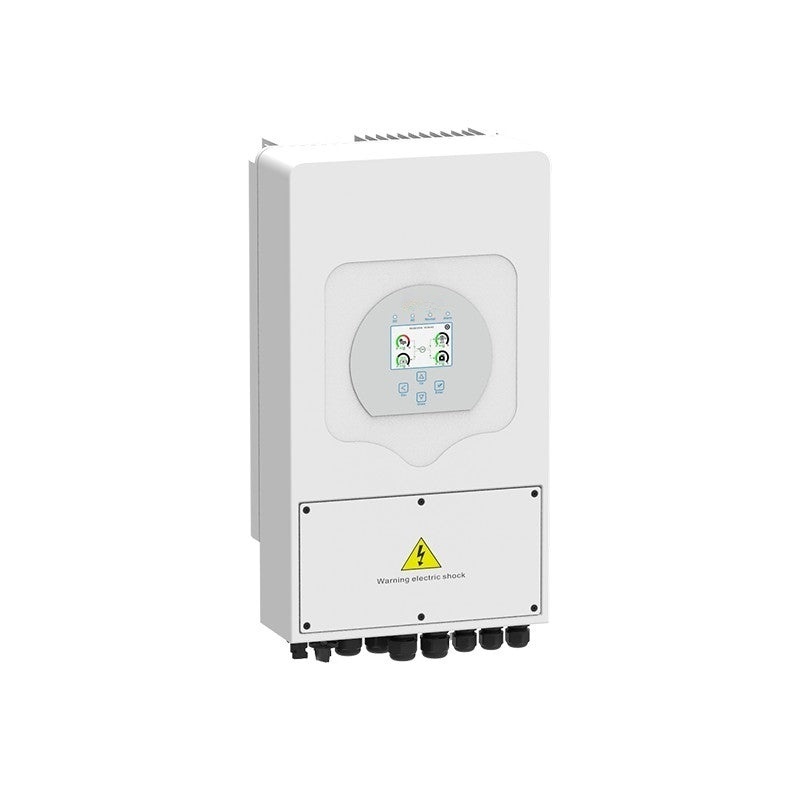
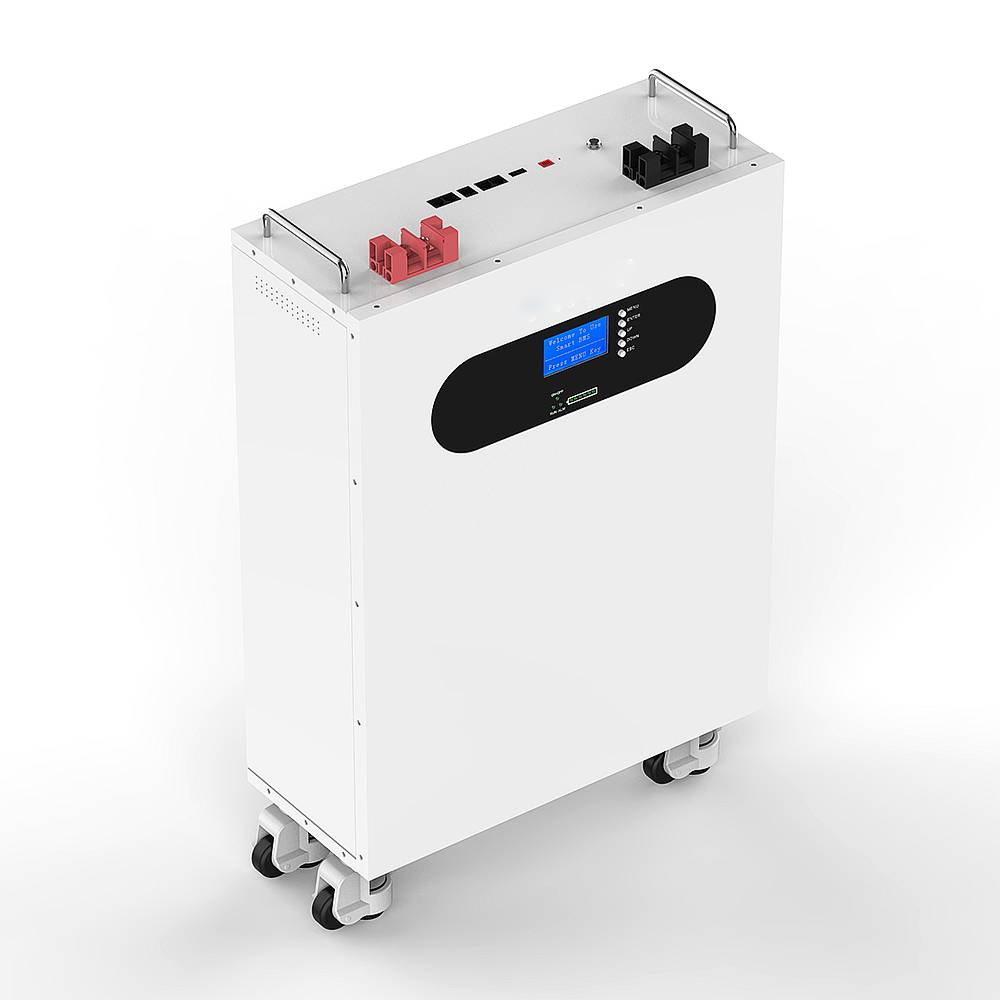
If you plan to add battery storage to your solar energy system in the future, make sure your inverter is compatible with battery technology. Some inverters are designed to work seamlessly with batteries, while others may require additional components.
5. Brand Reputation and Customer Support
Choose a reputable brand with a proven track record and excellent customer support. This will ensure that you have access to help and resources if you encounter any issues with your inverter. Research online reviews and ask for recommendations from solar professionals.
Part 5.How to Choose the Right Solar Inverter
Choosing the right solar inverter depends on several factors, including the size and layout of your solar energy system, your budget, and your long-term energy goals. Here are some tips to help you make the best decision:
Assess your shading situation: If your solar panels are subject to shading from trees, buildings, or other obstacles, consider microinverters or power optimizers to maximize energy production.
Consider your budget: String inverters are generally the most cost-effective option, while microinverters and power optimizers are more expensive but offer additional benefits.
Think about future expansion: If you plan to add more solar panels or battery storage to your system in the future, choose an inverter that can accommodate these upgrades.
Consult with a solar professional: A qualified solar installer can assess your specific needs and recommend the best inverter for your situation.
By considering these factors and doing your research, you can find the perfect solar inverter to power your home or business with clean, renewable energy.
Part 6.Start your journey toward energy independence!
Investing in a solar energy system is a smart decision for both your wallet and the environment. By choosing the right solar inverter, you can maximize the performance and longevity of your system, ensuring that you get the most out of your investment. We hope this guide has provided you with the information you need to make an informed decision. If you have any questions or need further assistance, don’t hesitate to reach out to a qualified solar professional. Happy solar shopping!
Contact us today for a free solar consultation and start your journey toward energy independence!
Custom Solar Products For Your Industries
We provide custom solutions to all our customers and offer free consulting or samples that you can take advantage of.