The Ultimate Solar Energy Buying Guide for U.S. Homeowner

[ez-toc]

Solar energy is transforming how Americans power their homes, offering a clean, renewable, and cost-effective alternative to traditional electricity. With rising energy costs and growing environmental concerns, more U.S. homeowners are turning to solar power to reduce their electricity bills and carbon footprint. However, buying a solar energy system can feel overwhelming without the right information.

This guide is designed to simplify the process. Whether you’re a first-time buyer or looking to upgrade your existing system, you’ll find everything you need to know about solar energy systems, including types, components, costs, incentives, and tips for choosing the best installer. Let’s explore how you can harness the power of the sun and make an informed investment in solar energy.

Part 1. Iwis Solar Manufacturers in China

Custom Solar Products For Your Industries

We provide custom solutions to all our customers and offer free consulting or samples that you can take advantage of.

Part 2.What Is Solar Energy and Why Should You Consider It?

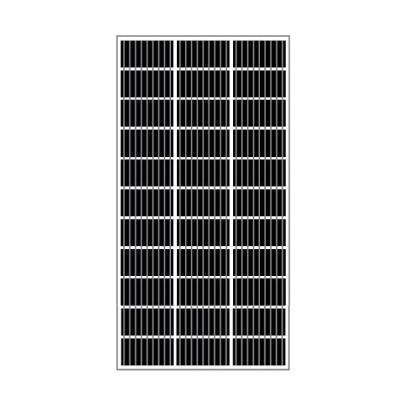
Solar energy is generated by capturing sunlight and converting it into electricity using photovoltaic (PV) technology. Solar panels, typically installed on rooftops or in open spaces, absorb sunlight and produce direct current (DC) electricity, which is then converted into alternating current (AC) for home use.

Why consider solar energy?

  • Cost Savings: Solar energy can significantly reduce or eliminate your electricity bills.

  • Energy Independence: Generate your own power and reduce reliance on the grid.

  • Environmental Impact: Solar is a clean, renewable energy source that reduces carbon emissions.

  • Increased Home Value: Homes with solar systems often sell for more and faster than those without.

  • Incentives: Federal and state incentives make solar more affordable than ever.

With the U.S. aiming for a carbon-free power sector by 2035, solar energy is not just a smart financial decision—it’s a step toward a sustainable future.

Part 3 Types of Solar Energy Systems

Choosing the right type of solar energy system depends on your energy goals, location, and budget. Here are the three main types:

Grid-Tied Systems

  • How It Works: Connected to the local utility grid. Excess energy produced can be sold back to the grid through net metering.

  • Best For: Homeowners looking to reduce electricity bills while staying connected to the grid.

  • Pros: Lower upfront costs, easy maintenance, and potential income from excess energy.

  • Cons: No power during grid outages unless paired with a battery backup.

Off-Grid Systems

  • How It Works: Completely independent of the grid, relying on batteries to store energy.

  • Best For: Remote areas without grid access or homeowners seeking full energy independence.

  • Pros: Total energy freedom and reliability in remote locations.

  • Cons: Higher costs due to batteries and larger system size.

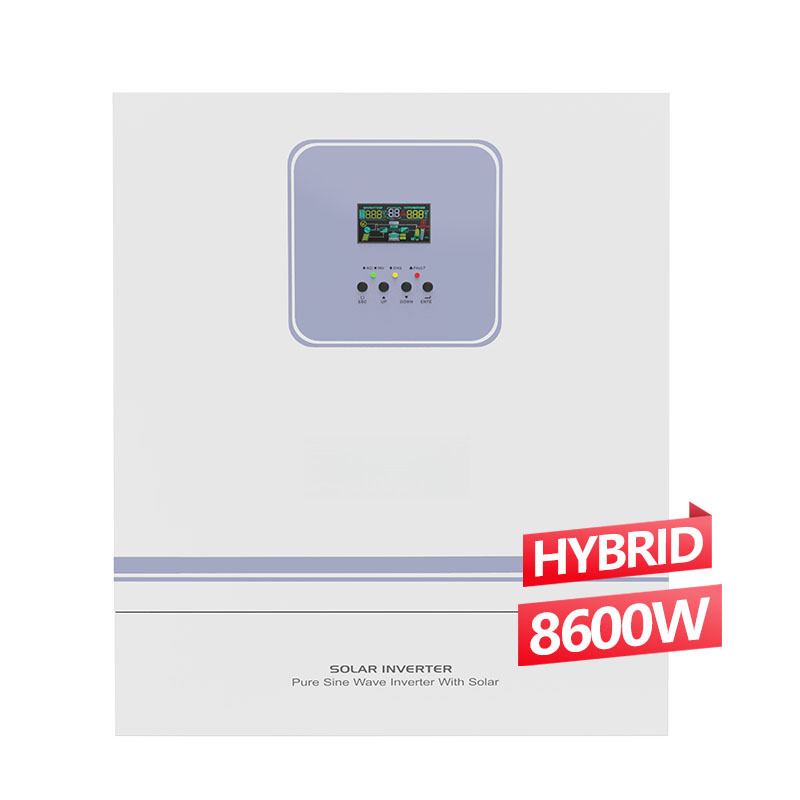
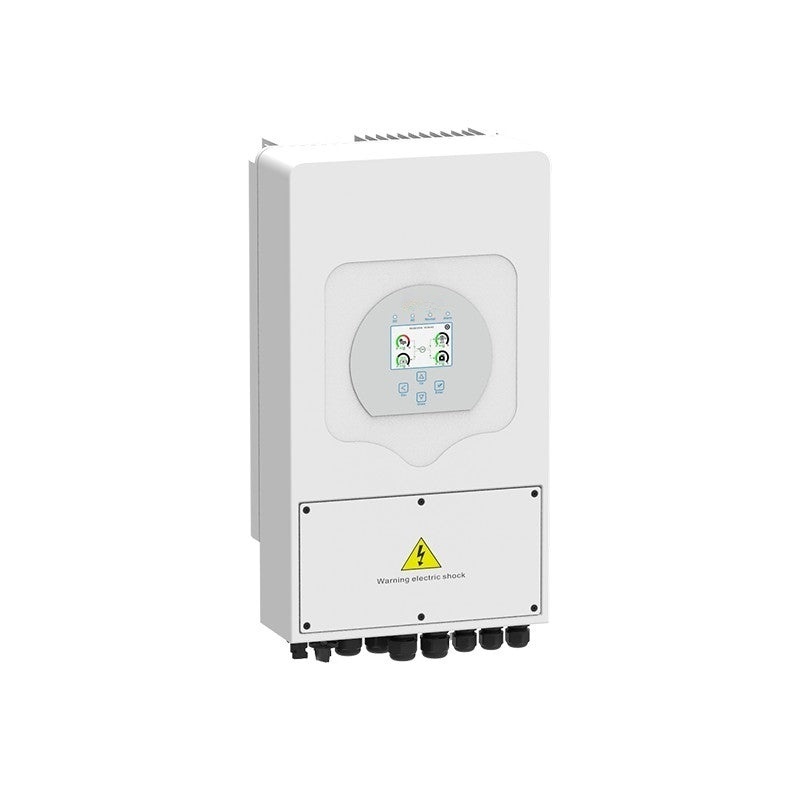
Hybrid Systems

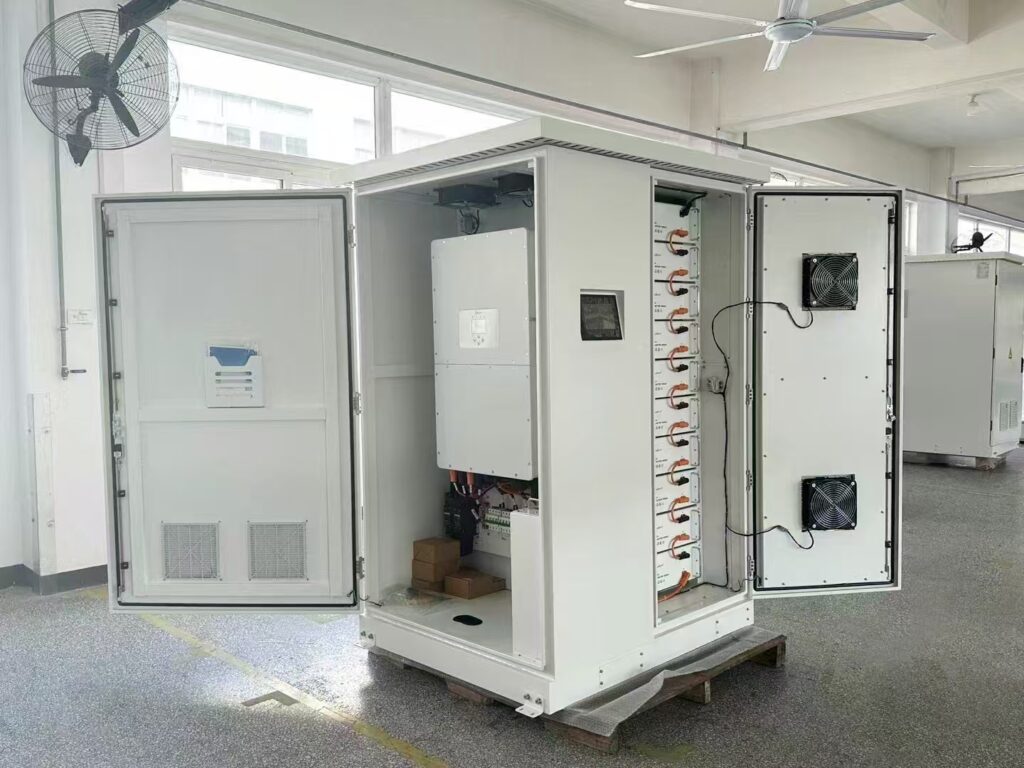
  • How It Works: Combines grid-tied and off-grid features, using batteries for backup while staying connected to the grid.

  • Best For: Homeowners who want backup power during outages but still benefit from grid connection.

  • Pros: Flexibility, backup power, and potential savings.

  • Cons: More expensive than grid-tied systems.

 Tip: If you’re unsure which system is right for you, consult a local solar installer to assess your home’s needs.

Custom Solar Products For Your Industries

We provide custom solutions to all our customers and offer free consulting or samples that you can take advantage of.

Part 4. Key Components of a Solar Energy System

Understanding the components of a solar energy system is crucial for making an informed purchase. Here’s a breakdown:

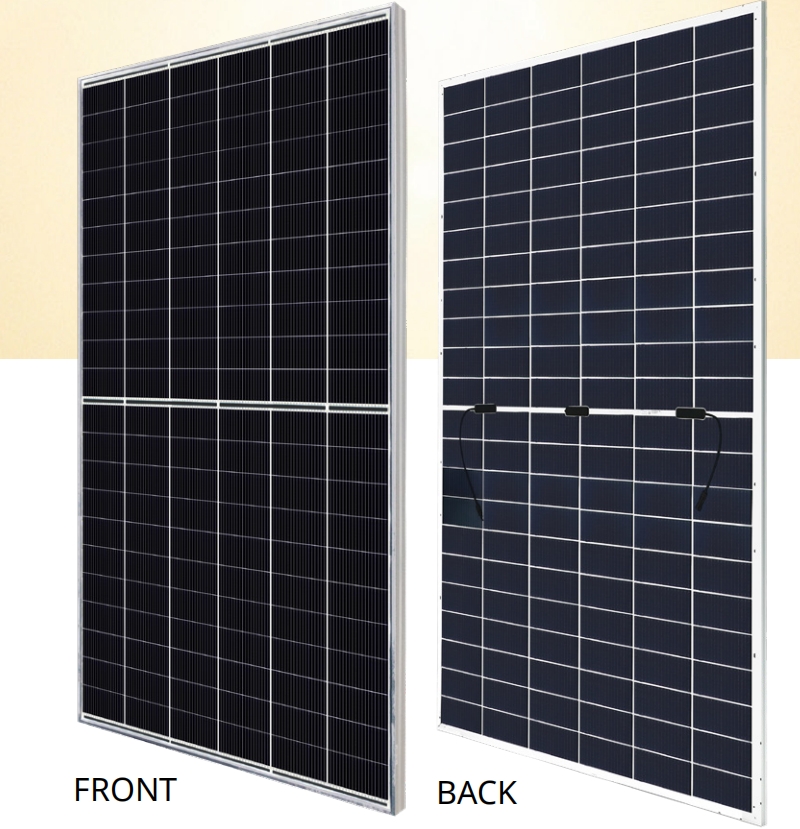
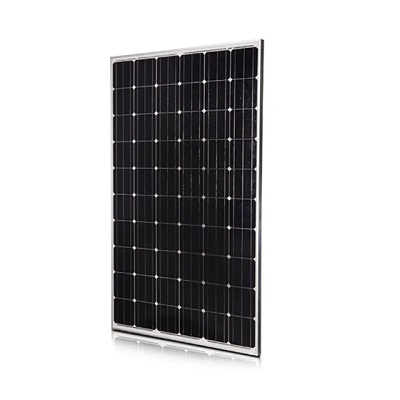
Solar Panels

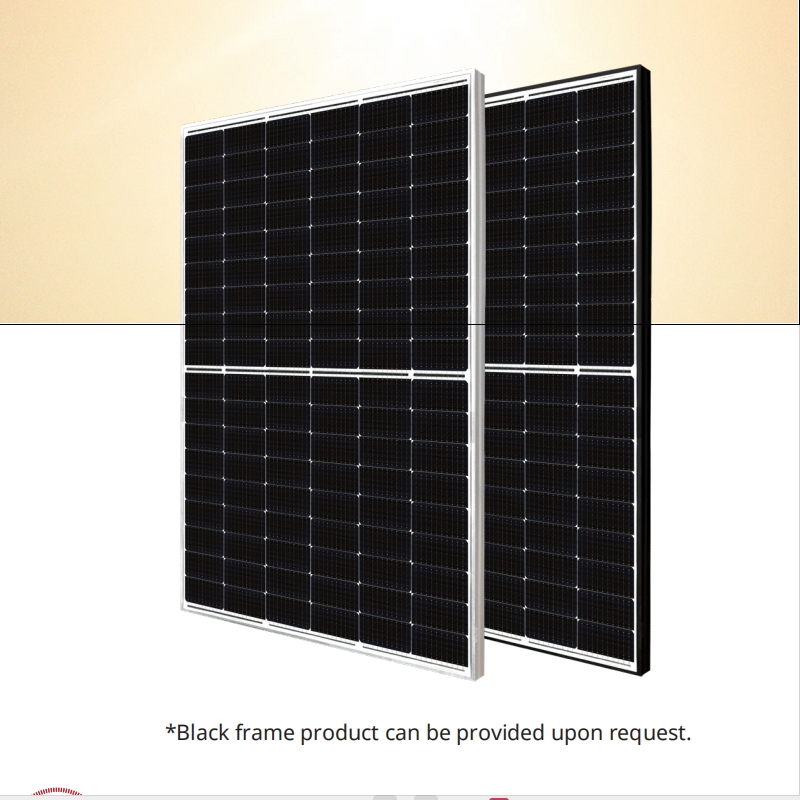
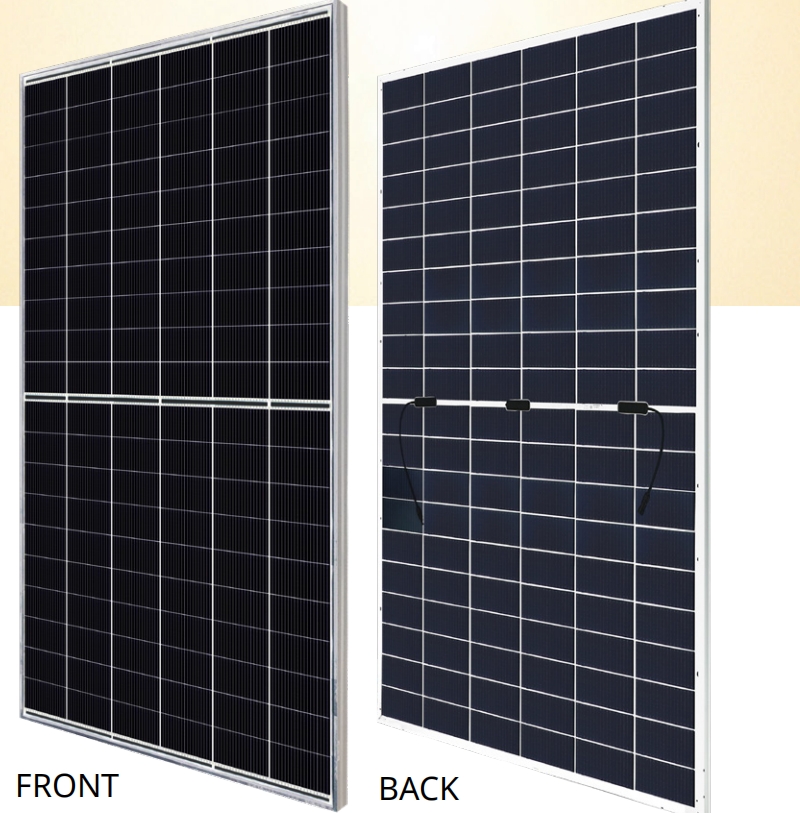
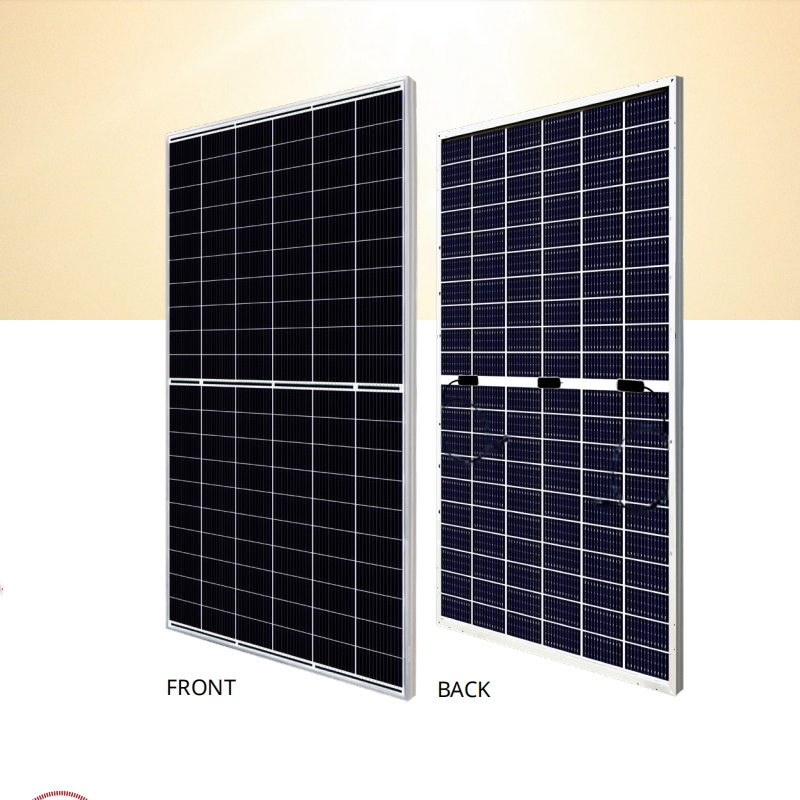
  • What They Do: Convert sunlight into electricity.

  • Types: Monocrystalline (efficient, sleek), polycrystalline (affordable), and thin-film (flexible).

  • Considerations: Efficiency, durability, and warranty (typically 25 years).

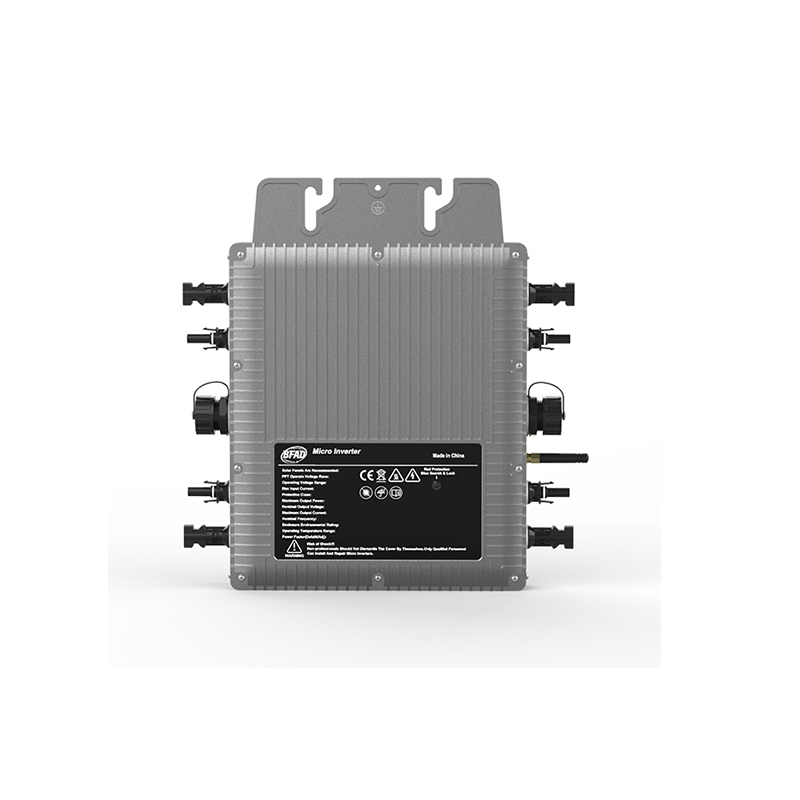
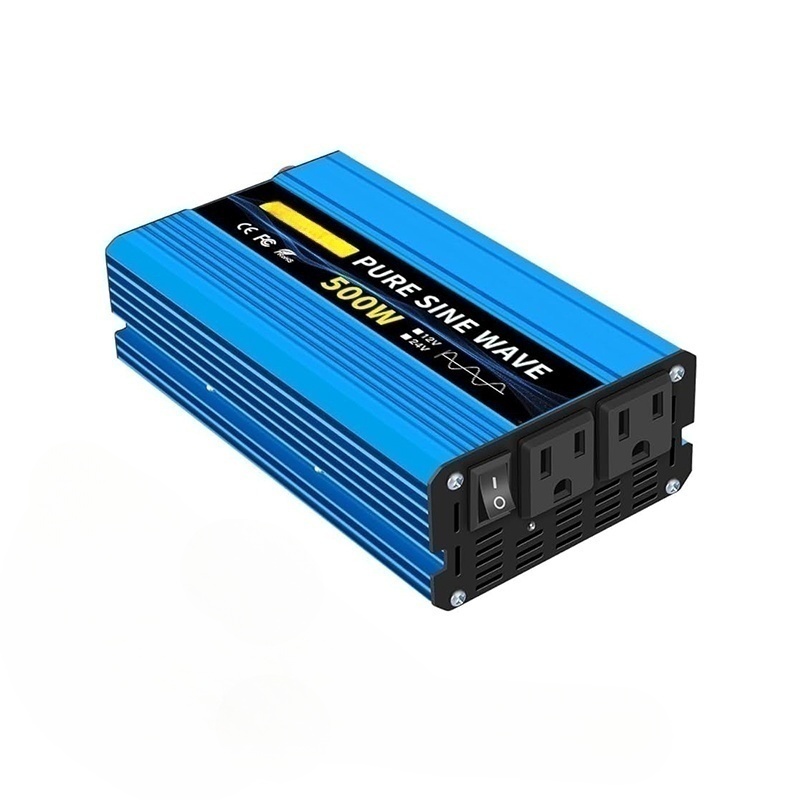
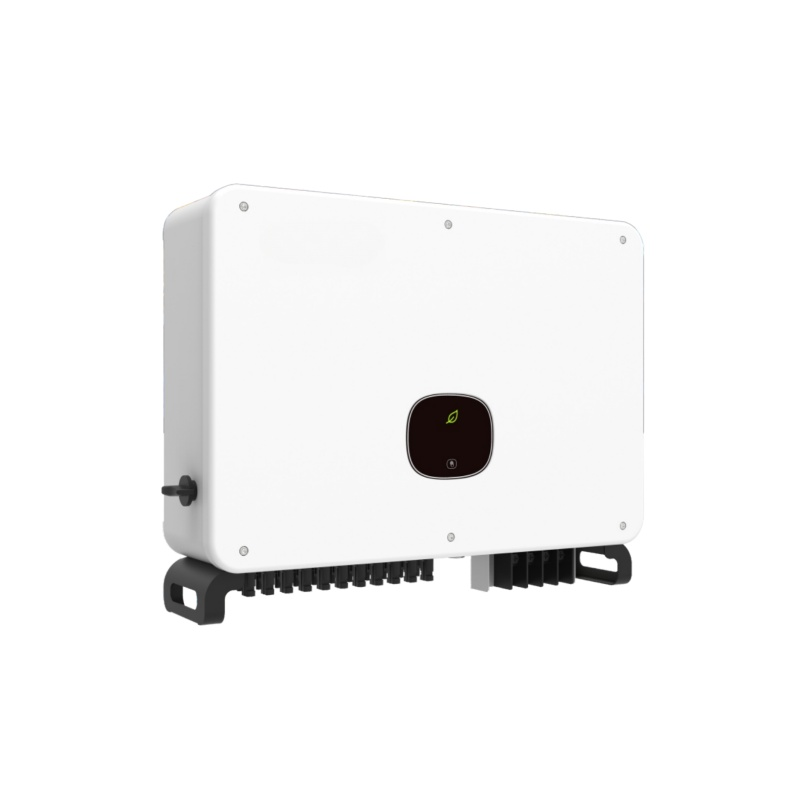
Inverters

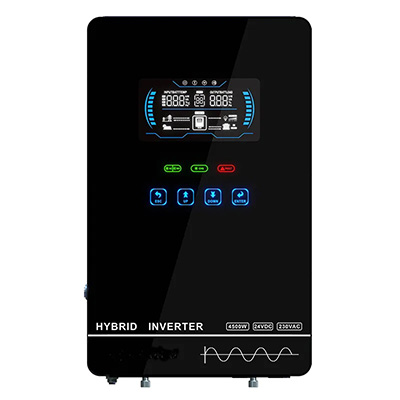
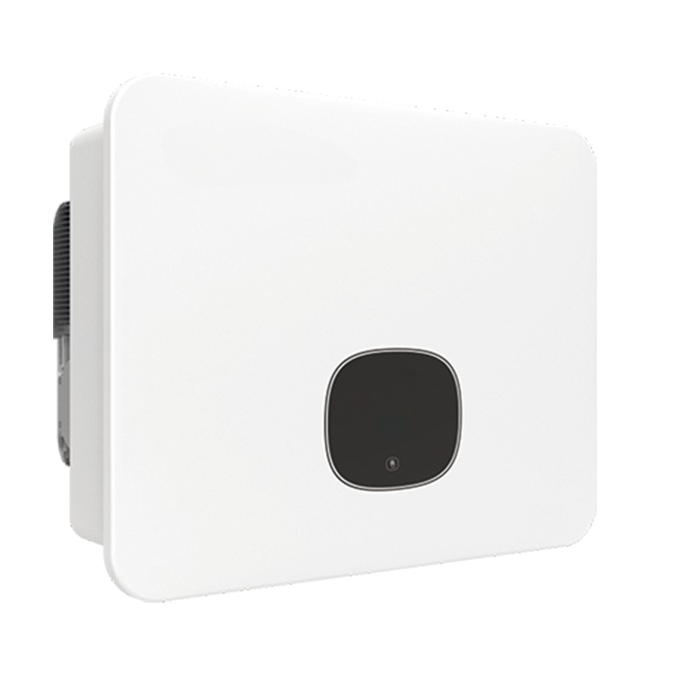
  • What They Do: Convert DC electricity from panels into AC for home use.

  • Types: String inverters (cost-effective), microinverters (panel-level optimization), and power optimizers (hybrid option).

  • Considerations: Efficiency, monitoring capabilities, and warranty (10-25 years).

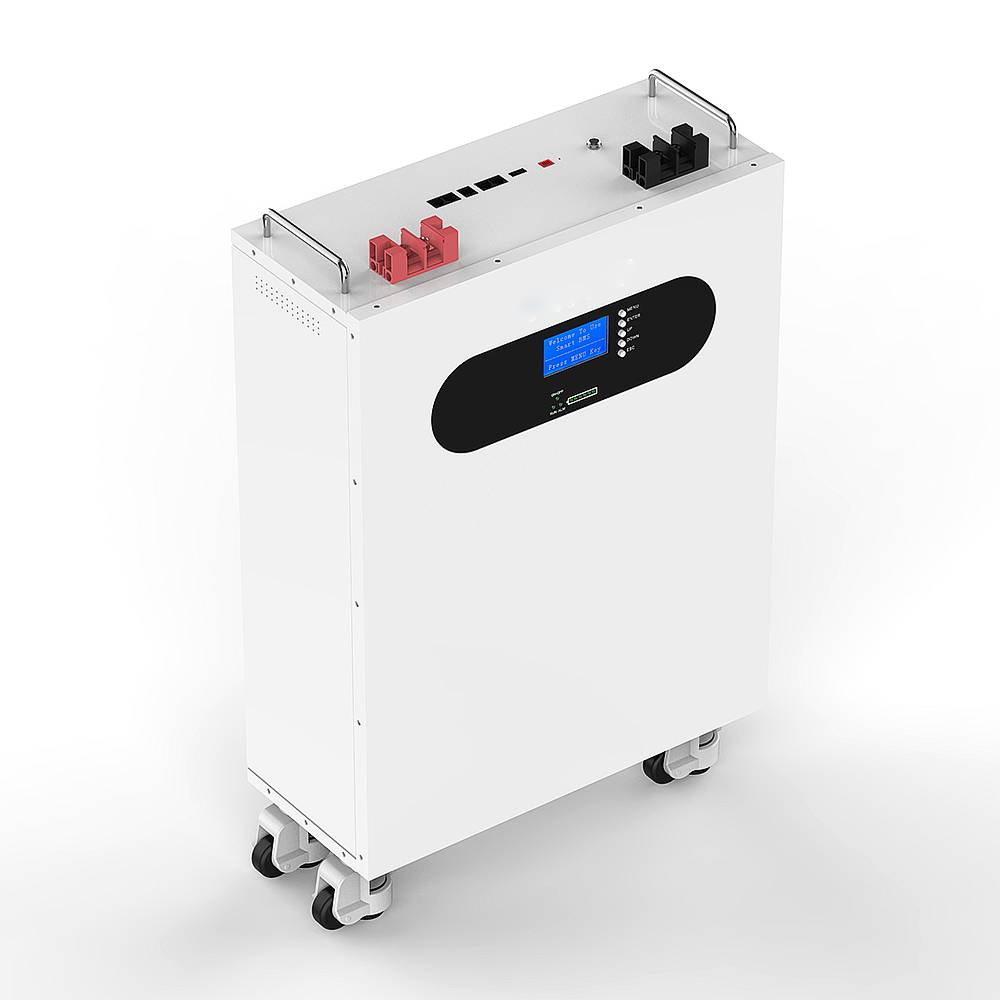
Batteries

  • What They Do: Store excess energy for later use.

  • Types: Lithium-ion (high efficiency, compact) and lead-acid (affordable, shorter lifespan).

  • Considerations: Capacity, depth of discharge, and cycle life.

Mounting Systems

  • What They Do: Secure solar panels to your roof or ground.

  • Types: Roof-mounted (common for homes) and ground-mounted (for larger systems).

  • Considerations: Roof condition, space availability, and local weather.

Pro Tip: Invest in high-quality components from reputable brands to ensure long-term performance and reliability.
Part 5.Factors to Consider When Buying a Solar Energy System

Before purchasing a solar energy system, evaluate these key factors:

System Size and Energy Needs

  • How to Calculate: Review your past electricity bills to determine your average usage in kilowatt-hours (kWh).

  • System Size: Typically measured in kilowatts (kW). A 5kW system is common for U.S. homes.

Cost and Financing Options

  • Average Cost: $15,000–$25,000 for a residential system (before incentives).

  • Financing: Options include cash purchase, solar loans, leases, and power purchase agreements (PPAs).

  • Tip: Use our solar cost calculator to estimate your system’s price.

Warranties and Maintenance

  • Warranties: Look for 25-year panel warranties and 10-25 years for inverters.

  • Maintenance: Solar systems require minimal upkeep, but regular cleaning and inspections are recommended.

Manufacturer and Installer Reputation

  • Research: Check reviews, ratings, and certifications from organizations like the North American Board of Certified Energy Practitioners (NABCEP).

  • Local Expertise: Choose installers familiar with U.S. regulations and incentives.

Incentives and Rebates

  • Federal Tax Credit: 30% of system cost (valid through 2032).

  • State Incentives: Vary by state; check the Database of State Incentives for Renewables & Efficiency (DSIRE).

  • Utility Rebates: Some utilities offer additional savings.

Example: A $20,000 system could cost $14,000 after the federal tax credit, with further reductions from state incentives.

Part 6.How to Choose a Solar Installer

Selecting the right installer is just as important as choosing the right system. Follow these steps:

Getting Multiple Quotes

  • Why: Compare pricing, equipment, and warranties.

  • How: Request quotes from at least three installers.

Checking References and Reviews

  • Why: Verify the installer’s track record.

  • How: Ask for customer references and read online reviews.

Verifying Licenses and Certifications

  • Why: Ensure compliance with local regulations.

  • How: Confirm NABCEP certification and state licensing.

Tip: Use our installer directory to find top-rated solar professionals in your area.

Part 7.Taking the Next Step Toward Solar Energy

Investing in solar energy is a smart financial and environmental decision for U.S. homeowners. By understanding the types of systems, components, and key factors to consider, you’re well-equipped to make an informed purchase. Remember to:

  • Assess your energy needs.

  • Explore financing and incentives.

  • Choose a reputable installer.

Ready to go solar? Start by getting a free quote from a trusted installer and take the first step toward energy independence.

Custom Solar Products For Your Industries

We provide custom solutions to all our customers and offer free consulting or samples that you can take advantage of.

Custom Solar Products For Your Industries

We provide custom solutions to all our customers and offer free consulting or samples that you can take advantage of.

Leave a Comment

Your email address will not be published. Required fields are marked *

WhatsApp
Scroll to Top

Asking

We'll respond to your email soon!