Best On-Grid Solar Inverter Brands for Homes
Harnessing solar power for your home is exciting, but the on-grid solar inverter is the key to making it work efficiently. The right brand can boost energy savings and reliability while keeping costs down. This article will guide you through top brands, their features, and insider tips to help you choose the perfect inverter for your solar setup. Ready to power up your solar journey? Let’s get started.
Part 1. Iwis Solar Manufacturers in China
Custom Solar Products For Your Industries
Part 2.What Is an On-Grid Solar Inverter?
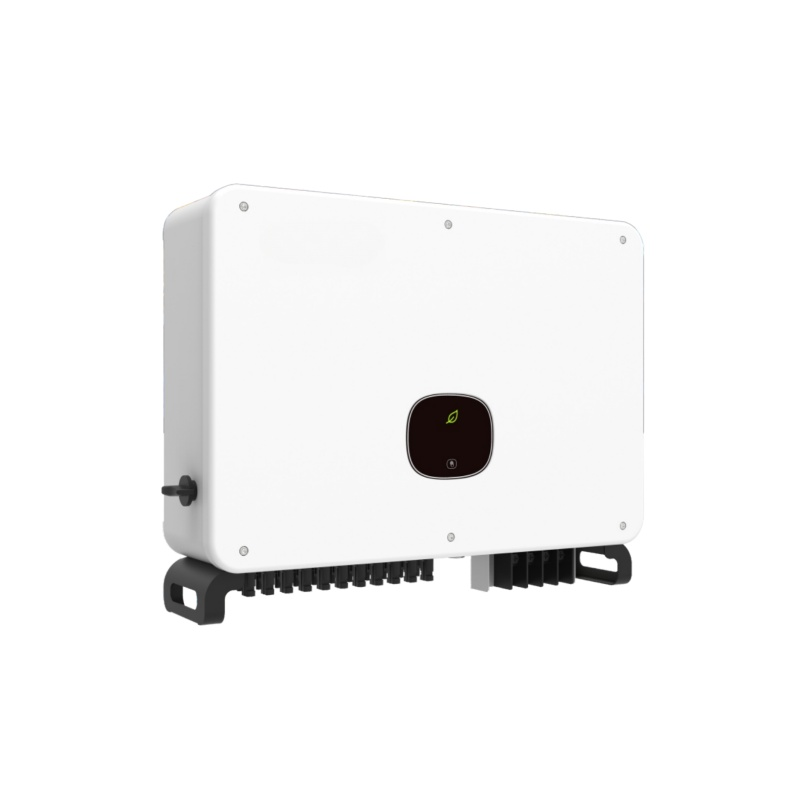
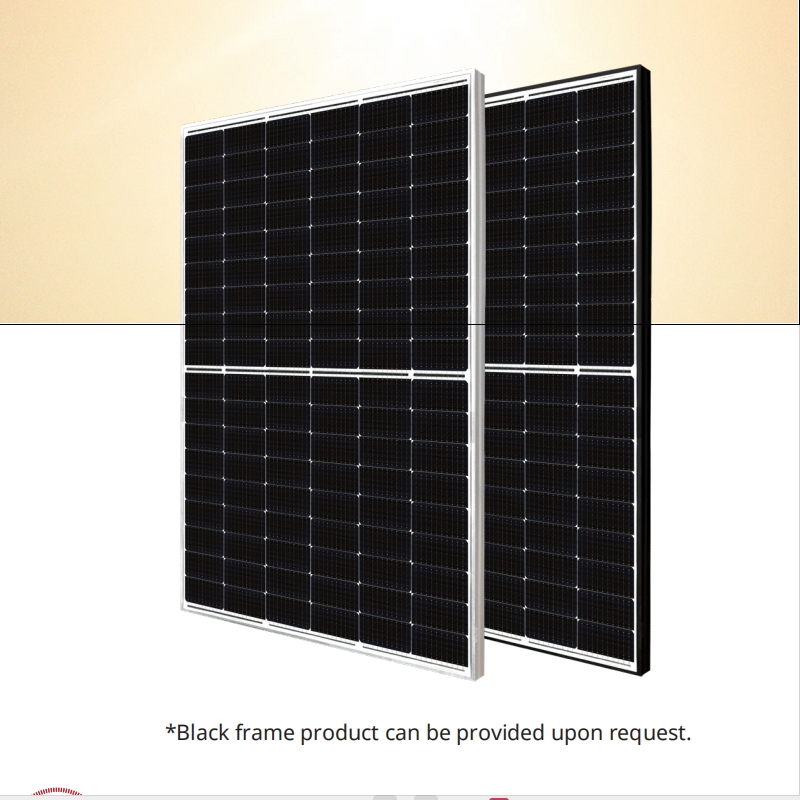
First things first: what exactly is an on-grid solar inverter, and why should you care? Picture this: your solar panels soak up sunlight and churn out electricity, but it’s in a form called direct current (DC)—not quite what your home appliances need. That’s where the inverter steps in. It transforms that DC electricity into alternating current (AC), the type of power your home actually uses to run everything from your coffee maker to your air conditioner.
But here’s where the “on-grid” part comes in. Unlike off-grid systems that rely solely on batteries, an on-grid solar inverter connects your setup to the utility grid. This is a game-changer. When your panels produce more power than you need—say, on a sunny afternoon—you can send that extra electricity back to the grid, often earning credits or lowering your bill through a process called net metering. And when the sun goes down or clouds roll in, you can pull power from the grid as usual. It’s a seamless, cost-effective way to enjoy solar energy without missing a beat.
Part 3. Why Choosing the Right Brand Is a Big Deal
You might be tempted to think all inverters are pretty much the same—just pick the cheapest one, right? Not quite. The brand you choose can impact your solar system in some pretty significant ways. Here’s why it matters:
- Efficiency: A top-notch inverter squeezes every last drop of energy from your panels, meaning more power for you and less waste.
- Reliability: This isn’t a gadget you want breaking down after a year. A good inverter keeps your system humming for decades.
- Warranty and Support: If something goes wrong, you’ll want a brand that stands behind its product with a solid warranty and help you can actually reach.
- Compatibility: Your inverter needs to play nice with your solar panels and meet your local electrical codes.
In short, skimping on your inverter could mean losing out on savings or dealing with headaches down the road. So, let’s take a look at some of the best on-grid solar inverter brands out there and see what they bring to the table.
What Other Solar or Power Products You Want
Custom Solar Products For Your Industries
We provide custom solutions to all our customers and offer free consulting or samples that you can take advantage of.
Part 4.Top On-Grid Solar Inverter Brands for Homes
The market is full of options, but a handful of brands consistently rise to the top for residential use. Here’s a detailed rundown of five of the best, complete with what makes them shine and where they might fall short.
1. SMA Solar Technology
Hailing from Germany, SMA has been a big name in solar inverters since the 1980s. Their Sunny Boy series is a favorite for homeowners, and it’s easy to see why.
- Key Features: These inverters boast efficiency ratings up to 98%, meaning you’re getting nearly all the energy your panels produce. They come in various sizes, so whether you’ve got a small setup or a sprawling array, there’s a Sunny Boy for you.
- Pros: Built like a tank, SMA inverters are known for lasting years without a hiccup. Plus, they offer warranties up to 10 years—plenty of peace of mind there.
- Cons: You’ll pay a premium for that quality, and their inverters can be a bit bulkier than some sleeker alternatives.
If you’re after rock-solid reliability and don’t mind spending a little extra, SMA could be your go-to.
2. Fronius
Austria’s Fronius is another European powerhouse, blending innovation with user-friendly design. Their Primo and Symo lines are tailor-made for homes.
- Key Features: With efficiency around 97.5%, Fronius inverters come with smart monitoring you can check from your phone. Imagine keeping tabs on your solar output while sipping coffee on your couch.
- Pros: They’re intuitive to use, perform reliably, and come with top-notch customer support. Warranties range from 5 to 10 years, depending on the model.
- Cons: Installation can be trickier than some brands, so you might need a pro to set it up.
Fronius is perfect if you love tech and want a system that keeps you in the loop.
3. SolarEdge
SolarEdge, based in Israel, takes a different approach with its power optimizer technology, and it’s a game-changer for many homes.
- Key Features: Each solar panel gets its own optimizer, boosting efficiency to 99% when paired with the central inverter. This setup also offers detailed monitoring down to the panel level.
- Pros: Got trees or a chimney casting shade? SolarEdge minimizes losses from partial shading. Plus, you get a 12-year warranty on the inverter.
- Cons: The extra optimizers bump up the cost, which might feel unnecessary if your roof gets full sun all day.
If your home has a tricky roof layout, SolarEdge could maximize your energy harvest like no other.
4. Enphase Energy
From the USA, Enphase flips the script with microinverters—tiny units attached to each solar panel instead of one big inverter.
- Key Features: Efficiency sits around 97%, and like SolarEdge, you get panel-level monitoring. Each microinverter works independently, optimizing every panel’s output.
- Pros: Ideal for roofs with odd angles or shading, Enphase systems are easy to expand and come with an impressive 25-year warranty.
- Cons: The upfront cost is higher, and with more components, there’s a chance you’ll need occasional maintenance.
Enphase is your pick if you want flexibility and long-term reliability, especially on a complex roof.
5. Huawei
Yes, the same Huawei that makes phones has entered the solar game, and their SUN2000 series is turning heads.
- Key Features: These compact inverters hit 98.5% efficiency and pack AI-powered safety features like arc fault detection. They’re also lightweight, making installation a breeze.
- Pros: You get high performance at a competitive price, plus smart monitoring to keep you informed.
- Cons: Huawei’s newer to solar, so their track record isn’t as long as SMA or Fronius. Support might also vary depending on where you live.
If you’re looking for value without sacrificing tech, Huawei’s worth a serious look.
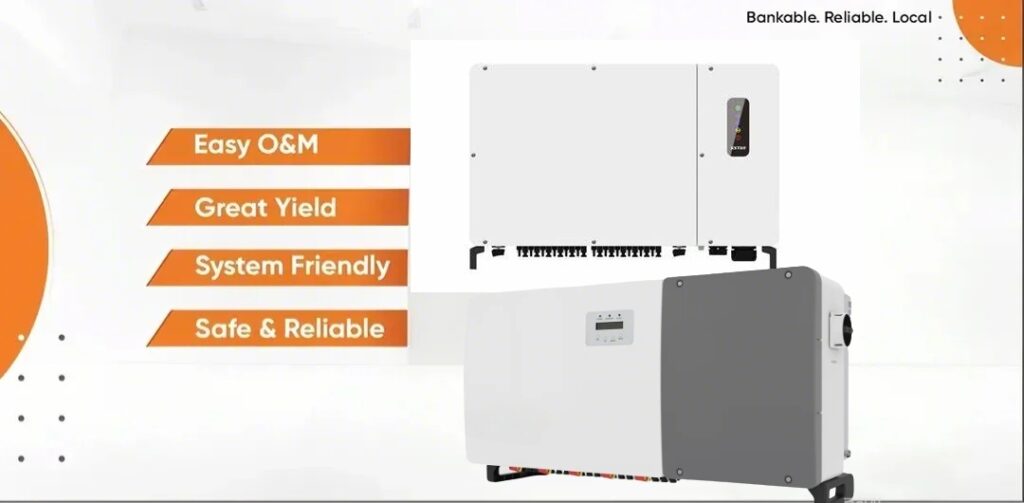
Part 5.How to Choose the Best Inverter for Your Home
With so many great options, how do you narrow it down? It’s all about matching the inverter to your specific needs. Here’s what to consider:
- Your Energy Needs: Figure out how much electricity you use daily. Your inverter should handle at least 80% of your peak load—think big appliances running at once.
- Compatibility: Check your solar panels’ specs (voltage, current) and make sure the inverter aligns. Mismatched gear can tank your efficiency.
- Efficiency: Aim for at least 95%. The higher, the better—you’ll see it in your savings.
- Warranty and Support: A longer warranty (5+ years) shows confidence in the product. Local support is a bonus if you ever need help.
- Certifications: Ensure the inverter meets your country’s electrical standards—safety first!
- Reviews: Dig into what other homeowners say. Online forums, installer feedback, or even a neighbor’s experience can steer you right.
Think about your roof, too. If it’s wide open to the sun, a string inverter like SMA or Fronius might do the trick. But if shade or angles complicate things, lean toward SolarEdge or Enphase.
Part 6.String Inverters vs. Microinverters: What’s Right for You?
Let’s break down the tech a bit more, because the type of inverter you choose can shape your system’s performance.
- String Inverters: These connect multiple panels in a series to one inverter. They’re cost-effective and efficient if your roof gets consistent sunlight. SMA and Fronius excel here.
- Microinverters: Each panel has its own inverter, so shading on one doesn’t drag down the rest. Enphase leads this pack.
- Power Optimizers: SolarEdge’s hybrid approach pairs optimizers with a central inverter, blending the best of both worlds.
For example, if you’ve got a south-facing roof with no obstructions, a string inverter could save you money without losing performance. But if your neighbor’s oak tree looms over half your panels, microinverters or optimizers might keep your system humming.
Part 7.Cost: What You’re Really Paying For
You might wonder: why spend more on a premium inverter when budget options exist? Here’s the deal: a quality inverter pays off. Higher efficiency means more usable power, and better reliability means fewer repair bills. Sure, Enphase or SolarEdge might hit your wallet harder upfront, but if they outlast a cheaper model by years, you’re ahead.
Also, peek at local incentives. Some regions offer rebates or tax breaks for solar installs, which can soften the blow. It’s worth a quick check with your utility or government website.
Part 8.Installation and Maintenance Made Simple
Most inverters are straightforward to install, but don’t DIY this one unless you’re an electrician. A pro ensures everything’s wired safely and up to code—plus, it keeps your warranty intact. Once it’s running, maintenance is minimal. Keep an eye on the monitoring app (most brands offer one) and wipe off any dust now and then. That’s about it.
Part 9.Future-Proofing Your Solar Setup
Tech moves fast, and solar’s no exception. Want to add panels later? Maybe pair your system with a battery for nighttime power? Pick an inverter that can grow with you. Brands like SolarEdge and Huawei often roll out updates or support expansion, keeping your system relevant down the line.
Part 10.Common Questions You Might Have
Still got questions? Here are some answers to what homeowners often ask:
- How long do inverters last? Most clock in at 10-15 years, but top brands can push past that with care.
- Can I install it myself? Technically, yes—but it’s risky and might void your warranty. Hire a pro.
- What if it breaks? Your solar system shuts down, so pick a brand with a solid track record and support.
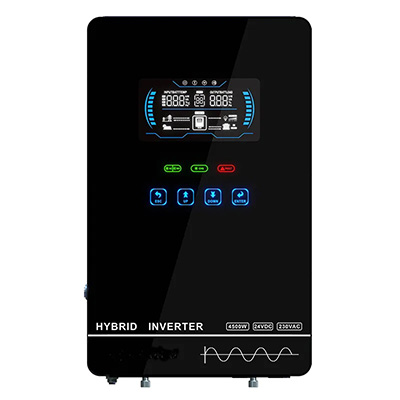
- Do I need a battery? Not with on-grid inverters—you’ve got the grid as backup. But if you want storage, look into hybrid models.
Part 11. A Quick Comparison Table
Here’s a snapshot to help you compare:
| Brand | Efficiency | Warranty | Key Features | Price Range |
|---|---|---|---|---|
| SMA | 98% | 10 years | High reliability, wide range | High |
| Fronius | 97.5% | 5-10 years | Smart monitoring, easy to use | Medium-High |
| SolarEdge | 99% (w/ optimizers) | 12 years | Power optimization, detailed data | High |
| Enphase | 97% | 25 years | Microinverters, flexible design | High |
| Huawei | 98.5% | 5-10 years | Compact, AI safety features | Medium |
Part 12.Wrapping It Up: Your Next Step
Choosing the best on-grid solar inverter for your home isn’t just about specs—it’s about finding what fits your life. Whether you go with SMA’s proven durability, Fronius’s smart tech, SolarEdge’s shading solution, Enphase’s microinverter magic, or Huawei’s budget-friendly innovation, you’re investing in cleaner energy and lower bills.
Take a moment to assess your needs: How much power do you use? What’s your roof like? What’s your budget? Then, chat with a solar installer or dig into reviews to confirm your pick. The right inverter doesn’t just power your home—it powers your future. So, why wait? Start exploring your options today, and get ready to enjoy the sun’s benefits like never before!
Custom Solar Products For Your Industries
We provide custom solutions to all our customers and offer free consulting or samples that you can take advantage of.