Top Off-Grid Solar Inverter Manufacturers for RVs and Campers
Imagine this: you’re cruising down a winding road in your RV, the scenery stretching out endlessly before you, or maybe you’re nestled at a quiet campsite with nothing but the sound of crickets to keep you company. No power hookups, no worries—just you, your camper, and the freedom to go wherever you please. How do you keep the lights on, the fridge humming, and your phone charged? That’s where an off-grid solar inverter comes in, and trust me, picking the right one can make or break your adventure. In this guide, you’ll discover the top manufacturers crafting off-grid solar inverters perfect for RVs and campers, along with everything you need to know to choose the best one for your mobile lifestyle.
Let’s dive into why these inverters matter, what to look for, and which brands are leading the pack. By the time you’re done reading, you’ll feel ready to power up and hit the road with confidence.
Part 1. Iwis Solar Manufacturers in China
Custom Solar Products For Your Industries
Part 2.Why You Need an Off-Grid Solar Inverter for Your RV or Camper
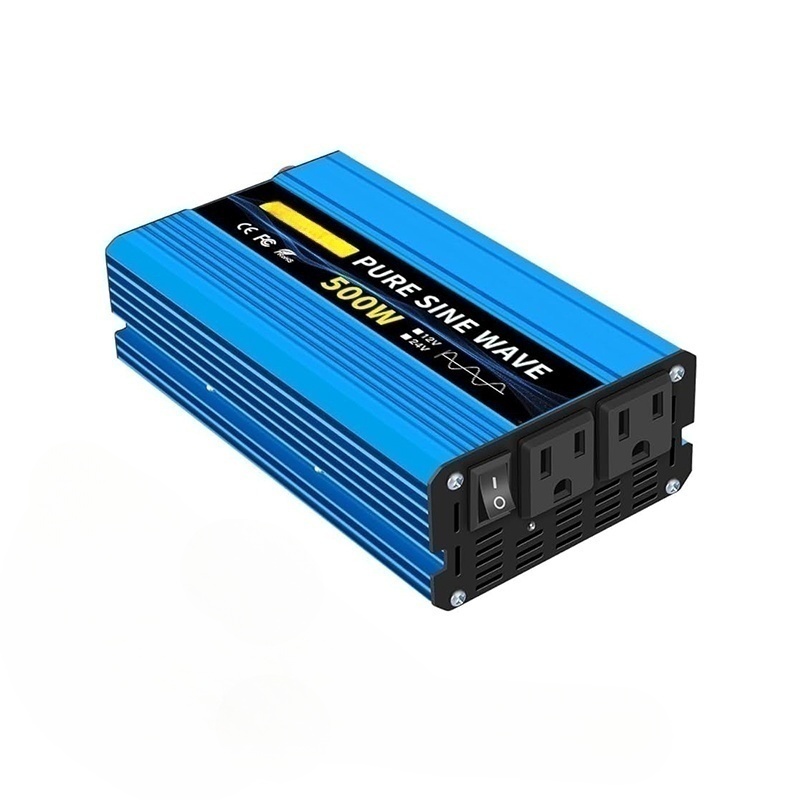
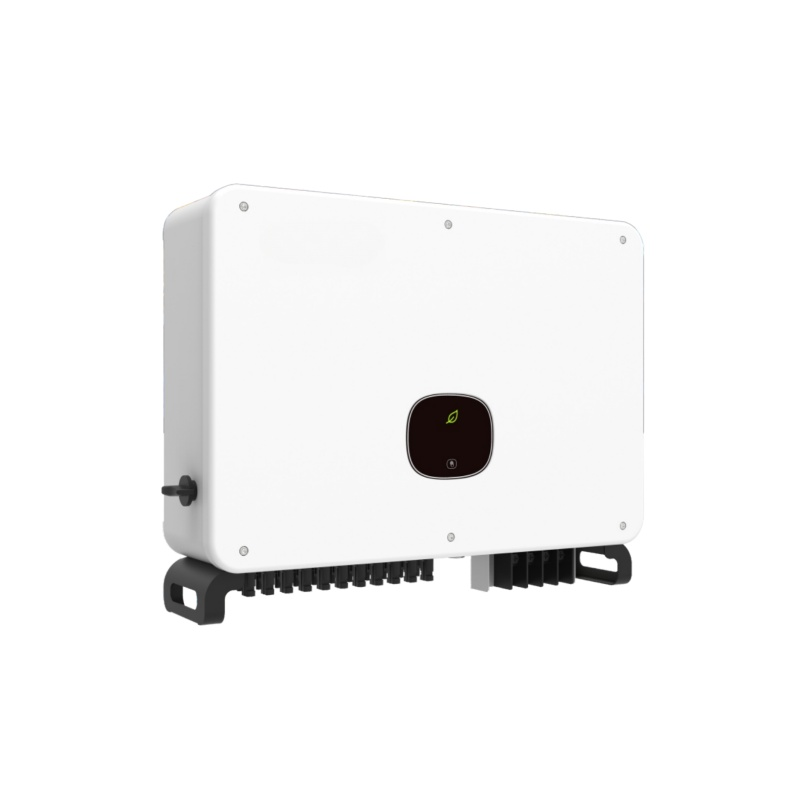
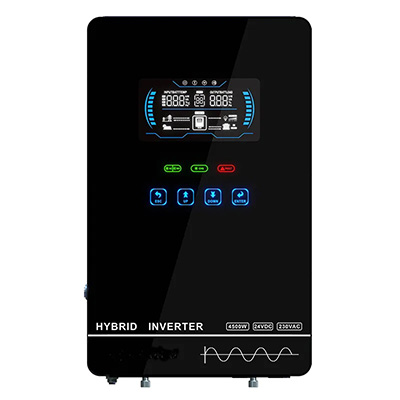
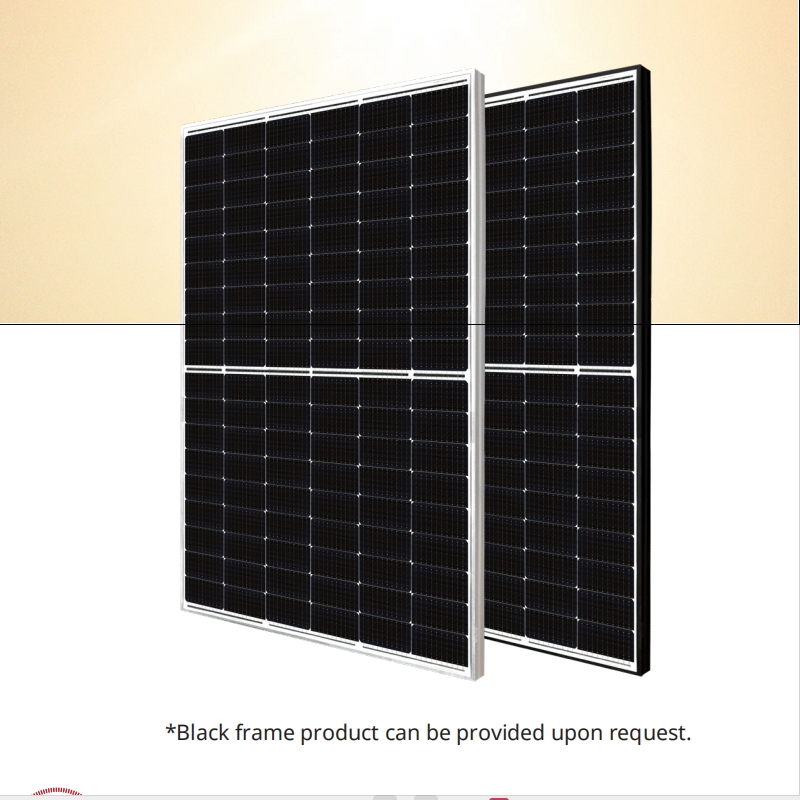
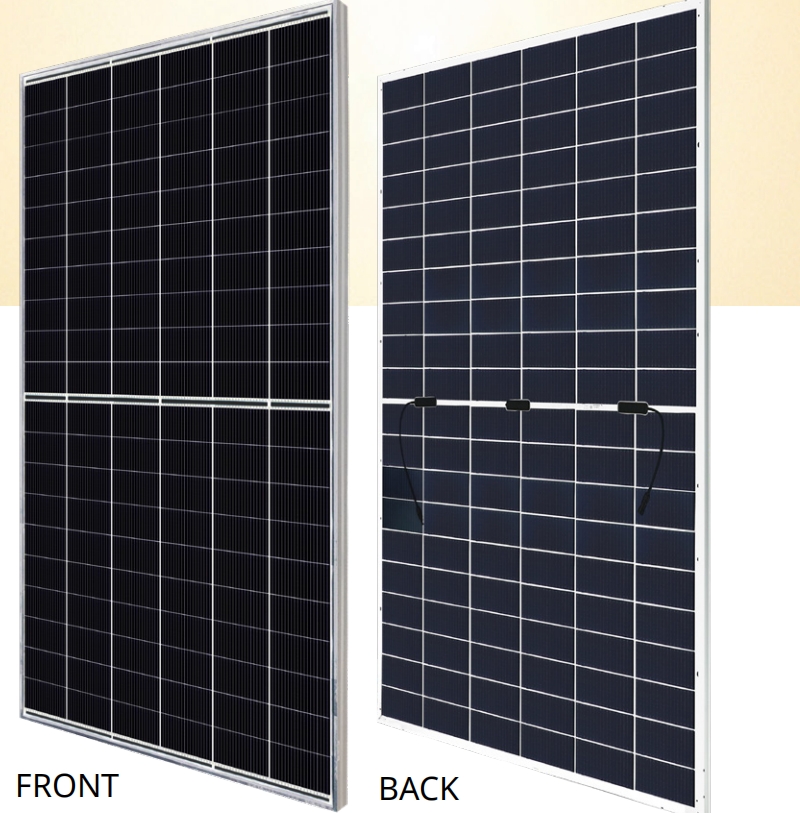
Picture yourself parked miles from civilization—no electrical outlets in sight. Your solar panels are soaking up the sun, but that energy they’re collecting is DC (direct current) power, and most of your appliances—like your coffee maker, TV, or laptop—run on AC (alternating current). That’s where an off-grid solar inverter steps in. It’s the magic box that converts that raw solar energy into usable power, keeping your creature comforts alive even in the middle of nowhere.
But it’s not just about conversion. When you’re off the grid, your inverter is the heartbeat of your entire power system. It works with your batteries and solar panels to ensure you’ve got electricity when you need it—whether the sun’s shining or not. For RVers and campers like you, this means freedom: the ability to roam without sacrificing the essentials. So, what makes an inverter a perfect fit for your rolling home? Let’s break it down.
Part 3. Key Features to Look for in an RV or Camper Solar Inverter
Not every inverter is cut out for life on the road. You need one tailored to the unique demands of RVing and camping—something compact, tough, and efficient. Here’s what to keep your eyes peeled for:
1. Portability and Size
Space is at a premium in your RV or camper, right? You don’t want a bulky inverter eating up storage or cluttering your setup. Look for a model that’s lightweight and compact, designed to tuck neatly into a corner or cabinet without a fuss.
2. Power Output
Think about what you’re powering. Are you just charging devices and running a few lights, or do you need juice for a fridge, a microwave, or even a hairdryer? Check the inverter’s continuous power rating—most RVs do well with 1000W to 2000W, but if you’re a power user, you might need more. Always add a buffer (about 20% extra) to avoid overloading it.
3. Efficiency
When you’re relying on solar panels, every drop of energy counts. A high-efficiency inverter (90% or better) wastes less power during conversion, meaning more of that sunshine ends up running your gear instead of disappearing into thin air.
4. Durability
Your inverter’s coming along for the ride, bouncing over potholes and enduring temperature swings. Pick one built to take a beating—look for rugged casings and designs that can handle vibrations and the occasional jostle.
5. Ease of Use
You’re out here to relax, not to decode a tech manual. A good inverter should have straightforward controls—think clear displays, simple switches, or even an app to monitor things from your phone. If it’s user-friendly, you’ll spend less time tinkering and more time enjoying the view.
6. Pure Sine Wave Output
This one’s a must. Pure sine wave inverters deliver smooth, clean power that’s safe for all your gadgets, especially sensitive ones like laptops or medical devices. Cheaper modified sine wave models might save you a buck, but they can glitch out your electronics—don’t risk it.
7. Battery Compatibility
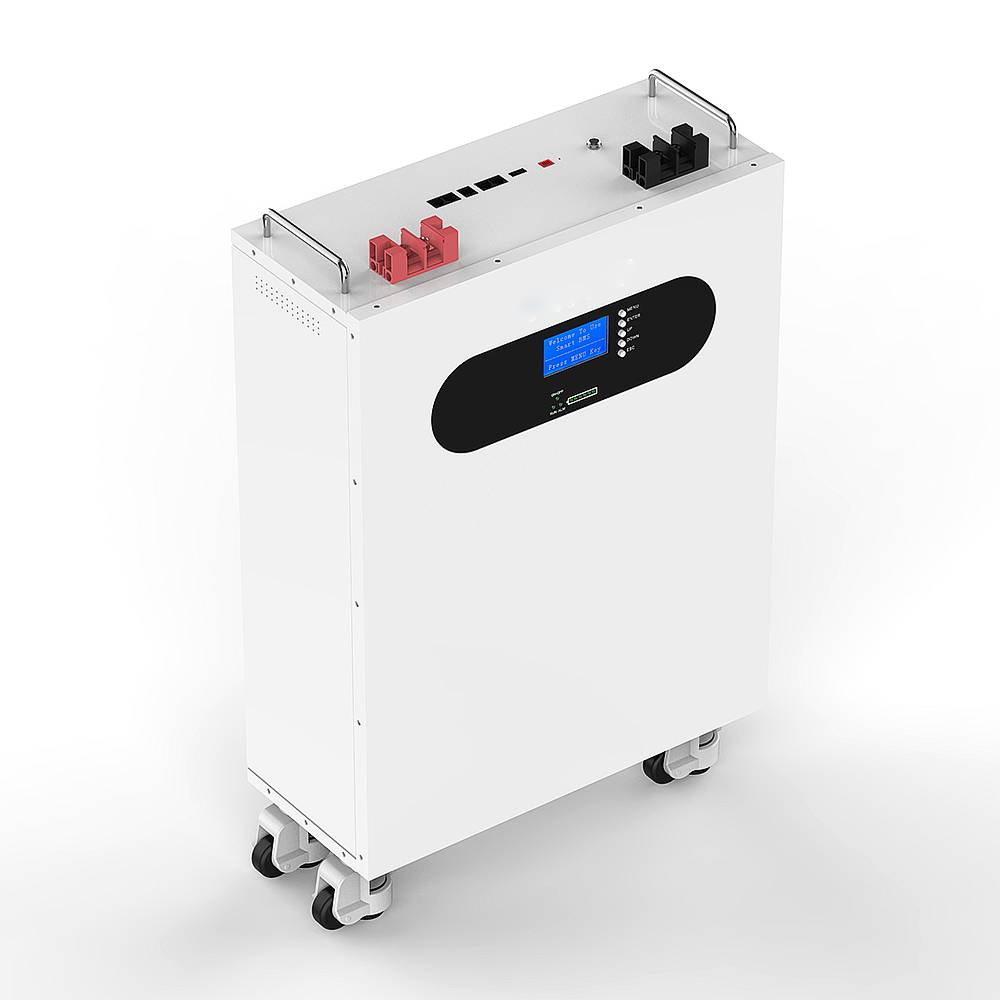
Your inverter needs to play nice with your battery setup, whether you’re rocking lead-acid, AGM, or lithium. Some even come with built-in chargers, streamlining your system and saving you space.
Armed with these must-haves, you’re ready to meet the manufacturers who’ve mastered the art of off-grid inverters for folks like you. Let’s see who’s out there.
What Other Solar or Power Products You Want
Custom Solar Products For Your Industries
We provide custom solutions to all our customers and offer free consulting or samples that you can take advantage of.
Part 4.Top Off-Grid Solar Inverter Manufacturers for RVs and Campers
After digging into the market, I’ve rounded up five brands that shine when it comes to powering your RV or camper off the grid. Each brings something special to the table, so let’s explore what they offer and why you might fall in love with them.
1. Renogy
- Why You’ll Love It: Renogy’s like that trusty friend who’s always got your back—affordable, reliable, and easy to get along with. They’ve built a reputation for making solar gear that’s perfect for beginners, and their inverters are no exception.
- Key Features:
- Pure sine wave output for clean power
- Options from 700W to 3000W to suit your needs
- Efficiency up to 90%
- Handy USB ports built right in
- LCD display to keep you in the loop
- Best For: You, if you’re just dipping your toes into solar or want a no-nonsense inverter that won’t break the bank.
2. Go Power!
- Why You’ll Love It: Go Power! gets it—RV life is about simplicity and toughness. Their inverters are made for people who hit the road hard and need gear that keeps up.
- Key Features:
- Pure sine wave output
- Sizes from 150W to 3000W
- Built rugged to handle road vibrations
- Optional remote control for effortless operation
- Safety perks like overload protection
- Best For: You, if you crave a plug-and-play setup that laughs in the face of rough terrain.
3. AIMS Power
- Why You’ll Love It: Need to power a small army of appliances? AIMS Power’s got the muscle. These inverters are beasts, built for folks who don’t mess around when it comes to wattage.
- Key Features:
- Pure sine wave output
- Models up to a whopping 6000W
- High surge capacity for startup-heavy devices
- Dual AC outlets plus USB ports
- Remote switch for convenience
- Best For: You, if you’re living full-time in your RV and running everything from a blender to a big-screen TV.
4. Samlex America
- Why You’ll Love It: Samlex is the steady, dependable type—quietly churning out inverters that last. They’re a favorite among RVers who’ve been around the block and know quality when they see it.
- Key Features:
- Pure sine wave output
- Range from 150W to 3000W
- Efficiency up to 92%
- Low idle power draw to stretch your battery life
- Compact builds for tight spaces
- Best For: You, if you’re in it for the long haul and want an inverter that won’t quit.
5. Xantrex
- Why You’ll Love It: Xantrex is for the tech lovers out there. Their inverters come loaded with features that let you geek out over your power system while keeping everything running smoothly.
- Key Features:
- Pure sine wave output
- Models from 600W to 3000W
- Built-in transfer switch for switching power sources
- Detailed LCD display
- Optional Bluetooth for real-time monitoring
- Best For: You, if you want to keep tabs on every watt or need a setup that handles solar and shore power with ease.
Part 5.Comparing the Top Manufacturers: A Quick Glance
Can’t decide? Here’s a handy table to see how these brands stack up side by side:
| Manufacturer | Best For | Power Range | Efficiency | Unique Feature |
|---|---|---|---|---|
| Renogy | Beginners, Budget | 700W – 3000W | Up to 90% | Built-in USB ports |
| Go Power! | Simplicity, Durability | 150W – 3000W | Up to 90% | Vibration-resistant design |
| AIMS Power | High Power Needs | Up to 6000W | Up to 92% | High surge capacity |
| Samlex America | Reliability | 150W – 3000W | Up to 92% | Low idle power draw |
| Xantrex | Tech-Savvy Users | 600W – 3000W | Up to 91% | Bluetooth monitoring |
Part 6.How to Choose the Right Inverter for Your RV or Camper
Alright, you’ve met the lineup—now how do you pick the winner for your setup? It’s all about matching the inverter to your life on the road. Here’s your step-by-step game plan:
1. Figure Out Your Power Needs
Grab a pen and list every device you’ll use—phone, fridge, lights, whatever. Check their wattage (usually on the label) and add it up. Then, pick an inverter with a continuous rating at least 20% higher than that total. Better safe than sorry!
2. Measure Your Space
Whip out a tape measure and scope out where your inverter’s going to live. Some models are slimmer than others, so make sure it’ll fit without cramping your style.
3. Match It to Your Lifestyle
Weekend getaways? A smaller, basic inverter might be plenty. Living full-time off-grid? Go for something beefier with extra features like remote monitoring or high surge capacity.
4. Set Your Budget
Inverters can range from a couple hundred bucks to over a grand. Decide what you’re comfortable spending, but don’t skimp too much—a cheap unit could fail you when you’re miles from help.
5. Dig Into Reviews
See what other RVers are saying. Look for real-world stories about how these inverters hold up, how the companies handle support, and whether they deliver on their promises.
Part 7.Your Path to Off-Grid Freedom Starts Here
Picking the right off-grid solar inverter isn’t just about keeping the lights on—it’s about unlocking a world of possibilities. With the sun as your power source and a top-notch inverter from Renogy, Go Power!, AIMS Power, Samlex America, or Xantrex, you can roam farther, stay longer, and live better, all without a cord in sight.
So, what’s your next move? Take a minute to jot down your power needs, measure your space, and think about which of these brands vibes with your travel style. Whether you’re chasing sunsets or hiding out in the woods, the perfect inverter’s waiting to power your journey. Here’s to the open road—and the energy to enjoy it!
Custom Solar Products For Your Industries
We provide custom solutions to all our customers and offer free consulting or samples that you can take advantage of.