Understanding Grid-Tie Solar Inverters: A Beginner’s Guide

Solar Inverter Manufacturers
[ez-toc]

Imagine slashing your electricity bills while harnessing the sun’s endless energy—all from the comfort of your own home. That’s the magic of grid-tie solar inverters. If you’re new to solar power, don’t worry—I’m here to guide you through what these devices are, how they work, and why they might be the perfect fit for you. Let’s dive in and explore everything you need to know about grid-tie solar inverters in this beginner-friendly, detailed guide.

Part 1. Iwis Solar Manufacturers in China

Custom Solar Products For Your Industries

We provide custom solutions to all our customers and offer free consulting or samples that you can take advantage of.

Part 2.What is a Grid-Tie Solar Inverter?

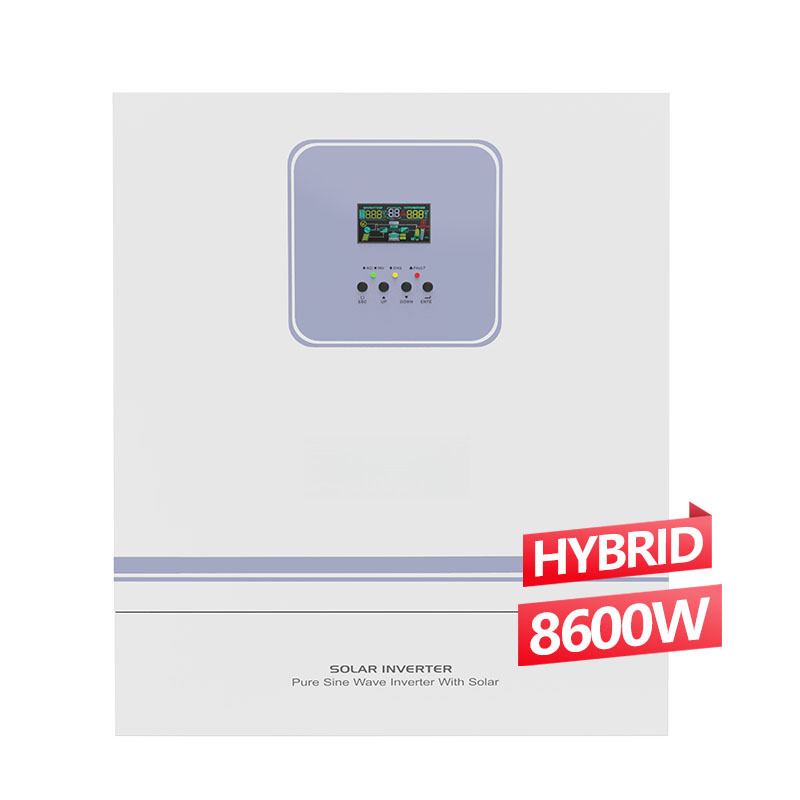
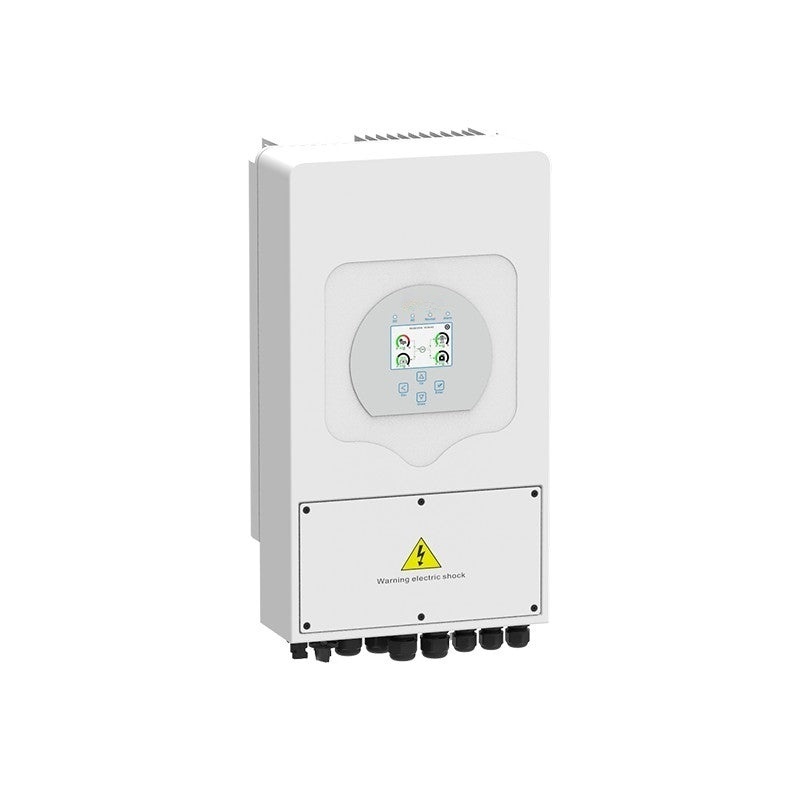
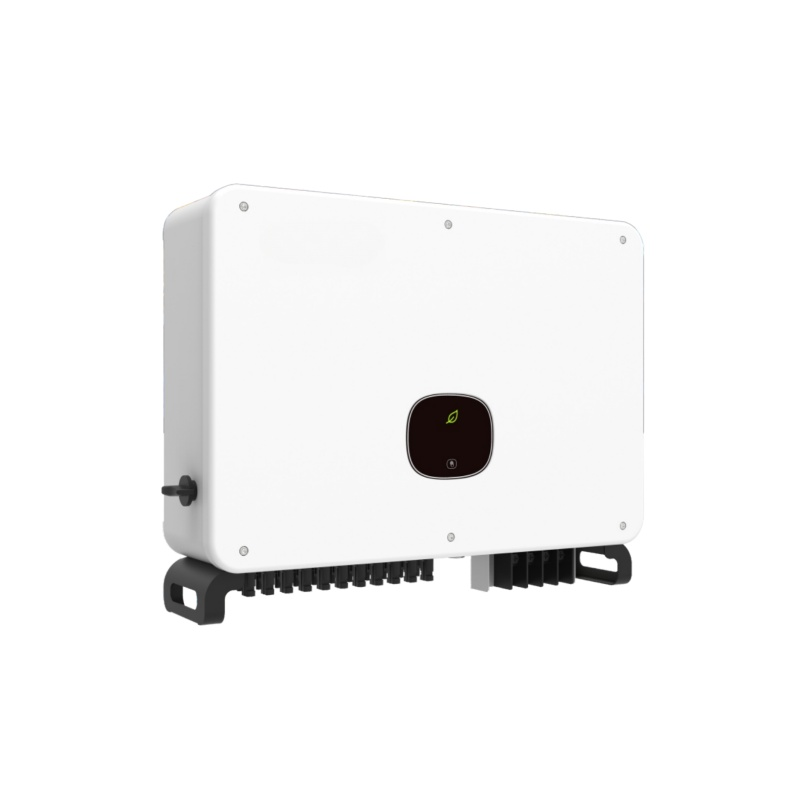
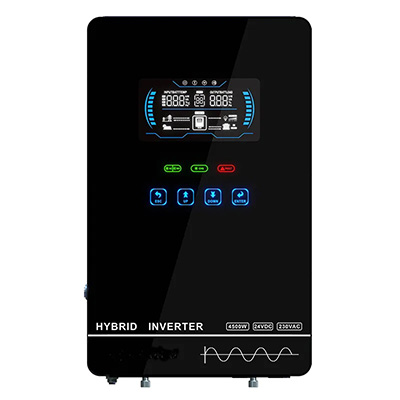
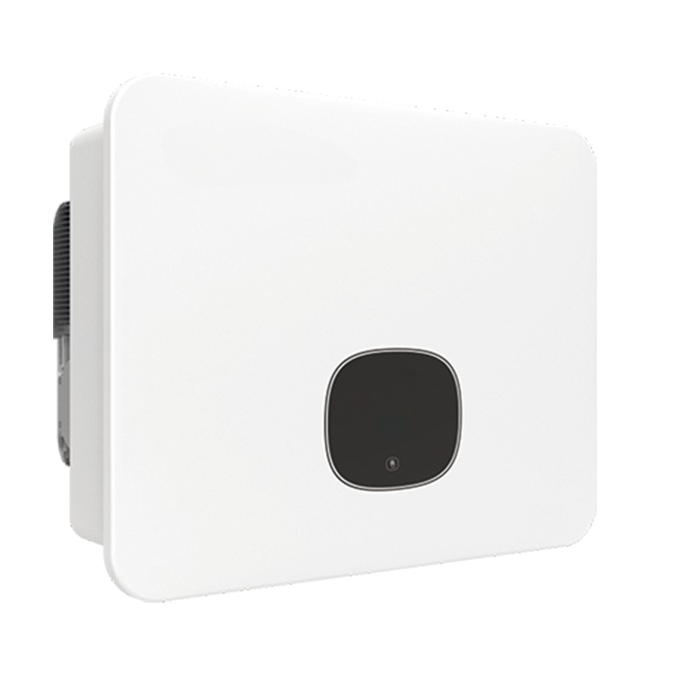
So, what exactly is a grid-tie solar inverter? In simple terms, it’s a device that connects your solar panels to the utility grid. Its job is to take the direct current (DC) electricity your solar panels produce and convert it into alternating current (AC) electricity—the kind your home appliances use and the grid accepts. But it’s not just a converter; it’s also a coordinator, syncing your solar power with the grid so you can use it at home or send any extra back to the utility company. Pretty neat, right?

Part 3.How Does a Grid-Tie Solar Inverter Work?

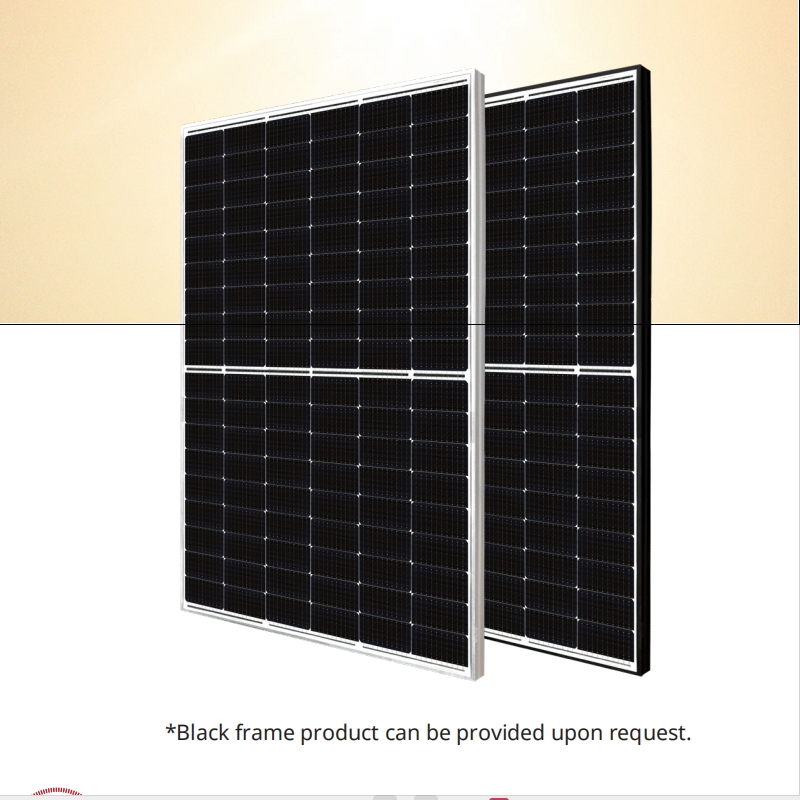
Let’s break it down a bit more. Your solar panels soak up sunlight and turn it into DC electricity through something called the photovoltaic effect. That DC power flows to your grid-tie inverter, which transforms it into AC power using some clever electronics. Here’s the cool part: the inverter doesn’t just spit out any old AC—it matches the grid’s voltage and frequency perfectly. Why does that matter? Because it ensures your solar energy plays nice with the grid, keeping everything safe and efficient.

Picture this: your solar panels are like a band playing a DC tune, but your home and the grid only dance to AC beats. The inverter’s the translator, making sure the music syncs up so you can enjoy the rhythm—or in this case, the power—without missing a step.

Custom Solar Products For Your Industries

We provide custom solutions to all our customers and offer free consulting or samples that you can take advantage of.

Part 4. Why You’ll Love Grid-Tie Solar Inverters

Now that you know what they do, let’s talk about why you might want one. First off, they can save you money. When your solar panels generate power during the day, you’re using free electricity from the sun instead of buying it from the utility company. And if you produce more than you need? That excess flows back to the grid, often earning you credits through a system called net metering.

What’s net metering, you ask? Think of it as a savings account with your utility provider. When your panels pump out extra juice, your meter spins backward, banking credits. At night or on cloudy days when you need more power, you pull from the grid, and those credits offset what you owe. It’s a win-win that can seriously cut your bills.

Another perk is simplicity. Unlike off-grid solar setups that need batteries to store energy for nighttime or cloudy weather, grid-tie systems lean on the grid as a backup. No batteries mean less expense and hassle, making it an easier entry into solar power for you.

But here’s a heads-up: if the grid goes down—like during a blackout—your system usually shuts off too. That’s a safety thing to protect utility workers fixing the lines. If you want power during outages, you’ll need a hybrid setup with batteries, but for most folks, the grid-tie option strikes a sweet balance of cost and convenience.

Part 5.Types of Grid-Tie Solar Inverters: Which One’s Right for You?

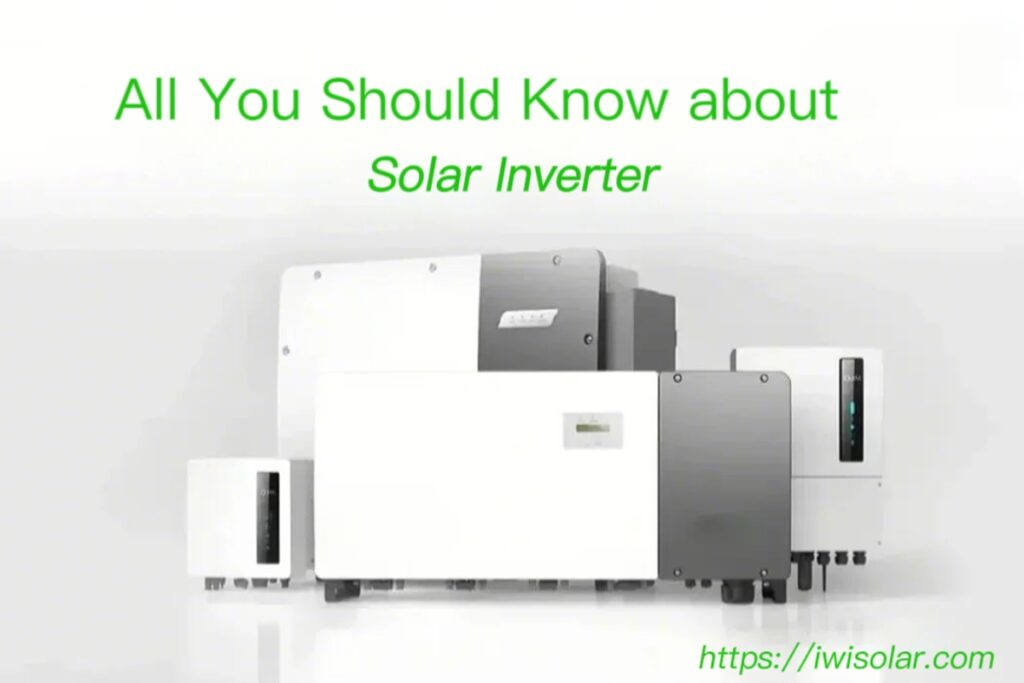
Not all grid-tie inverters are the same, and picking the right type depends on your setup. Here’s a rundown of the three main options:

String Inverters

These are the classic choice. Your solar panels are wired together in a “string,” and all their DC power goes to one central inverter. They’re affordable and reliable if your panels get consistent sunlight. But if a tree casts shade on one panel, it can drag down the whole string’s performance—like one slow runner holding back the team.

Microinverters

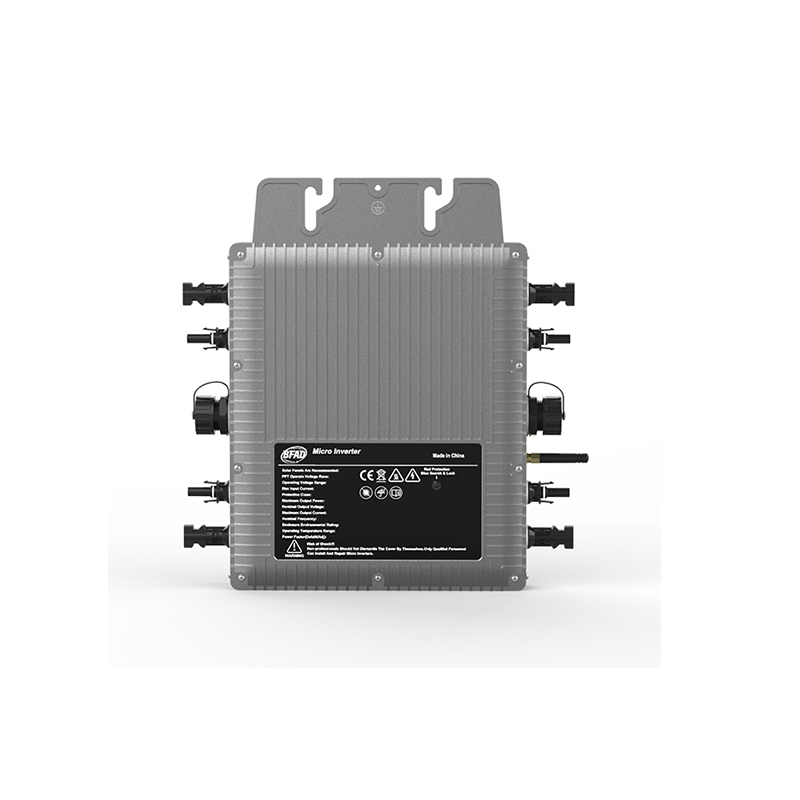
Want more flexibility? Microinverters attach to each solar panel individually, converting DC to AC right there on the roof. Each panel runs solo, so shade on one doesn’t mess with the others. They’re awesome for tricky roofs with shading or odd angles, and they make adding more panels later a breeze. The catch? They cost more upfront.

Power Optimizers

These are like a middle ground. You stick a power optimizer on each panel to tweak the DC power, then send it to a central string inverter for the AC switch. They boost performance in shady spots without the full price tag of microinverters. It’s a smart compromise if you want efficiency without breaking the bank.

Some inverters even come with bells and whistles, like smartphone apps to track your solar output or features to support the grid’s stability. When choosing, think about your roof, your budget, and how much sun your panels will catch.
Part 6.Getting It Installed and Keeping It Running

Ready to go solar? Installation isn’t a weekend DIY project—you’ll need a pro. A certified solar installer will size your system, mount the panels, hook up the inverter, and tie it all into the grid. Depending on your local rules, they’ll also handle permits and inspections. The whole process might take a few days to a few weeks, depending on how big your setup is.

Once it’s up and running, maintenance is a breeze. Most grid-tie inverters are built to last, often with warranties stretching 10 to 25 years. You’ll want to peek at the monitoring tools—many inverters have them—to keep tabs on performance. If production dips, you’ll know something’s up. Oh, and give your panels a rinse now and then to clear off dust or leaves. That’s about it!

Part 7.Safety First: What You Need to Know

You might wonder, “Is this safe?” Absolutely—grid-tie inverters are packed with safety features. The big one is anti-islanding protection. If the grid crashes, your inverter shuts down fast, so you’re not sending power into the lines while workers are out there fixing things. Plus, modern models have safeguards like ground fault protection to keep everything humming smoothly and safely.

Part 8.Real-Life Stories: How It Works for Others

Still on the fence? Let’s look at how grid-tie inverters shine in the real world.

Sarah’s Solar Home

Sarah lives in sunny California and installed a 6kW system with a string inverter. On bright days, her panels crank out more power than she uses, sending the surplus to the grid for net metering credits. At night, she taps the grid, but those credits keep her bills low—covering 80% of her yearly needs. Her $15,000 system (after incentives) should pay off in seven years, leaving her with decades of near-free power.

The Green Café

A local café went bigger with a 20kW system using microinverters to dodge shading from nearby buildings. Their energy costs dropped, and they’ve turned sustainability into a selling point—complete with a screen showing live solar stats to wow customers. It’s a practical boost and a conversation starter.

Part 9.Counting the Costs (and Savings)

Let’s talk money. A string inverter might run you $1,000 to $2,000, while microinverters cost $100 to $200 per panel. A full system—panels, inverter, installation, and all—could range from $10,000 to $30,000, depending on size and specifics.

But don’t sweat it too much—help’s out there. In the U.S., the federal solar tax credit knocks a chunk off your taxes, and many states toss in rebates or incentives. Check what’s available where you live to lighten the load.

Part 10.Doing Good for the Planet

Here’s a bonus: going solar isn’t just about your wallet—it’s about the world. Every bit of solar power you generate cuts down on fossil fuel use, shrinking your carbon footprint. With a grid-tie inverter, you’re pitching in for cleaner air and a healthier planet, one sunny day at a time.

Part 11.Your Solar Journey Starts Here

So, there you have it—grid-tie solar inverters in a nutshell. They’re your ticket to tapping solar energy, trimming bills with net metering, and keeping things simple without batteries. Whether you go with a string inverter, microinverters, or power optimizers, you’ve got options to suit your home or business. Sure, the upfront cost might give you pause, but the long-term savings and eco-friendly perks make it worth a serious look.

I remember when I first learned about solar power—it felt like a lightbulb moment (pun intended). If you’re curious, why not take the next step? Chat with a solar pro, crunch some numbers, and see if grid-tie solar inverters could brighten your future. You might just find it’s the smart, sustainable move you’ve been waiting for.

Custom Solar Products For Your Industries

We provide custom solutions to all our customers and offer free consulting or samples that you can take advantage of.

Custom Solar Products For Your Industries

We provide custom solutions to all our customers and offer free consulting or samples that you can take advantage of.

Leave a Comment

Your email address will not be published. Required fields are marked *

WhatsApp
Scroll to Top

Asking

We'll respond to your email soon!