The Ultimate Guide to Buying Solar Panels: Everything You Need to Know

[ez-toc]

Are you thinking about switching to solar energy but unsure where to start? You’re not alone. With solar panels growing in popularity, figuring out what to buy can feel overwhelming. This guide is here to help you navigate the process, covering everything from types and costs to installation and maintenance—all in one place.

Part 1. Iwis Solar Manufacturers in China

Custom Solar Products For Your Industries

We provide custom solutions to all our customers and offer free consulting or samples that you can take advantage of.

Part 2.Why Solar Panels Are a Smart Investment

Solar panels aren’t just a passing fad—they’re a practical choice for your home and the environment. By tapping into the sun’s endless energy, you can slash your electricity bills, boost your property’s value, and do your part for a greener planet. But with so many options out there, how do you pick the right system? That’s where this guide comes in. It’s designed to walk you through the key factors, so you can make a decision that fits your budget and lifestyle.

Part 3.Types of Solar Panels: Which One Is Right for You?

When you start shopping for solar panels, you’ll notice three main types: monocrystalline, polycrystalline, and thin-film. Each has its strengths and weaknesses, so let’s break them down.

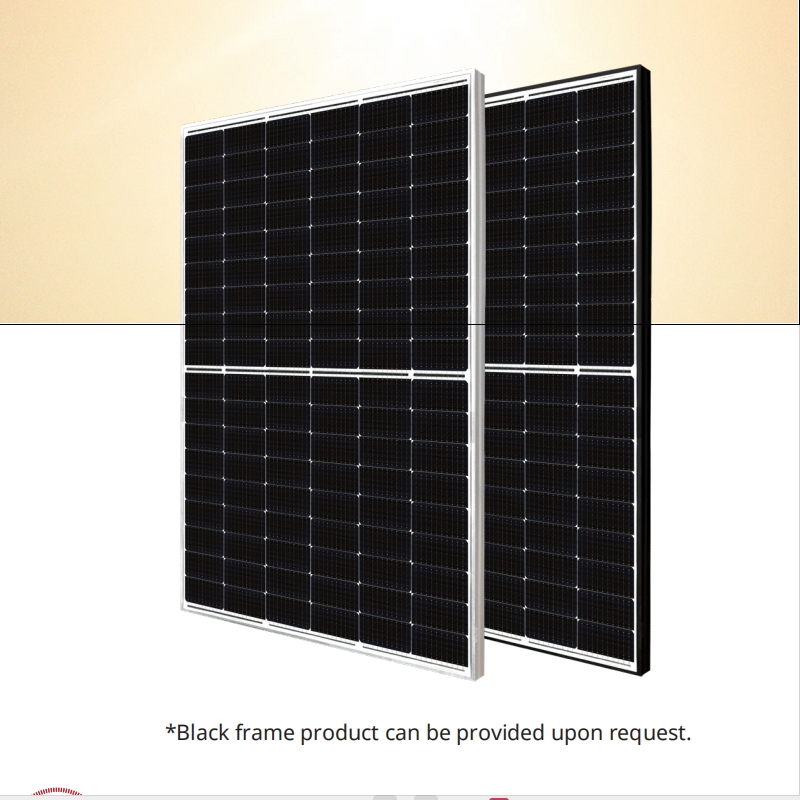
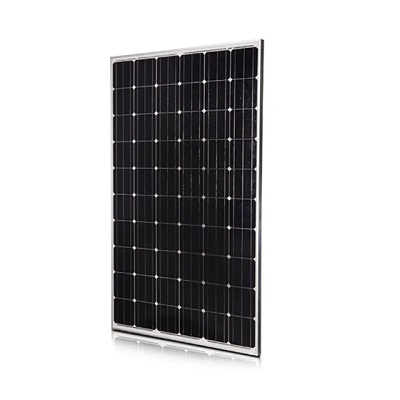
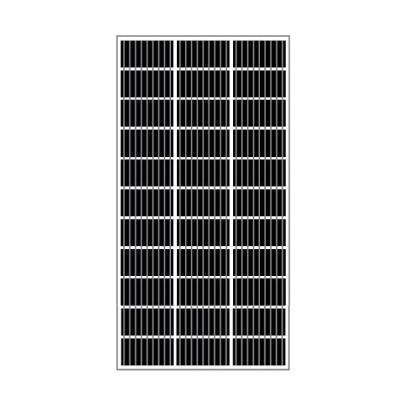
  • Monocrystalline Solar Panels: These are the top performers. Made from a single crystal structure, they’re highly efficient and work well even when sunlight is scarce. They’ve got a sleek, black look that blends nicely with most roofs. The catch? They’re usually the priciest option.
  • Polycrystalline Solar Panels: These panels are made from multiple crystal fragments, giving them a blueish tint. They’re a bit less efficient than monocrystalline panels and might need more space to produce the same energy. On the plus side, they’re easier on your wallet.
  • Thin-Film Solar Panels: Lightweight and flexible, these are the rebels of the solar world. They’re less efficient and wear out faster, but they’re perfect if you’ve got an unusual roof or need something portable. Just don’t expect them to match the power output of the other two.

So, how do you choose? If your roof space is tight and you want the most bang for your buck, go for monocrystalline. On a budget? Polycrystalline strikes a solid middle ground. Thin-film works best for niche setups where flexibility trumps raw power.

Custom Solar Products For Your Industries

We provide custom solutions to all our customers and offer free consulting or samples that you can take advantage of.

Part 4. Efficiency Matters: What You Need to Know

Efficiency is a big buzzword in the solar world—it’s all about how much sunlight your panels can turn into usable electricity. Most panels you’ll find for your home range from 15% to 22% efficiency.

  • Why does it matter? If your roof is small, high-efficiency panels mean more energy in less space. But better efficiency often comes with a higher price tag.
  • Should you splurge? It depends. If you’ve got plenty of room, less efficient panels can still get the job done without breaking the bank. But if space is at a premium, investing in top-tier efficiency could save you headaches later.

Think about your home’s layout and energy needs. A quick chat with an installer can help you figure out what’s worth it for you.

Part 5.Cost of Solar Panels: What to Expect

Let’s talk money. The price of a solar panel system can swing wildly—anywhere from $15,000 to $25,000 for an average home before any discounts. What drives that cost?

  • Panel Type: Monocrystalline panels cost more than polycrystalline or thin-film.
  • System Size: Bigger systems mean more panels and more power, but also a higher bill upfront.
  • Installation: Your roof’s shape, your location, and local labor rates all play a role.

Here’s the good news: incentives can cut that number down. In the U.S., the federal solar tax credit lets you shave off 26% of the cost from your taxes. Many states toss in extra rebates, too. Suddenly, that big price tag doesn’t look so scary.

A little advice: Shop around. Get quotes from a few installers and ask about financing—solar loans or leases can spread out the cost so you’re not shelling out everything at once.
Part 6. Installation Process: What You Should Know

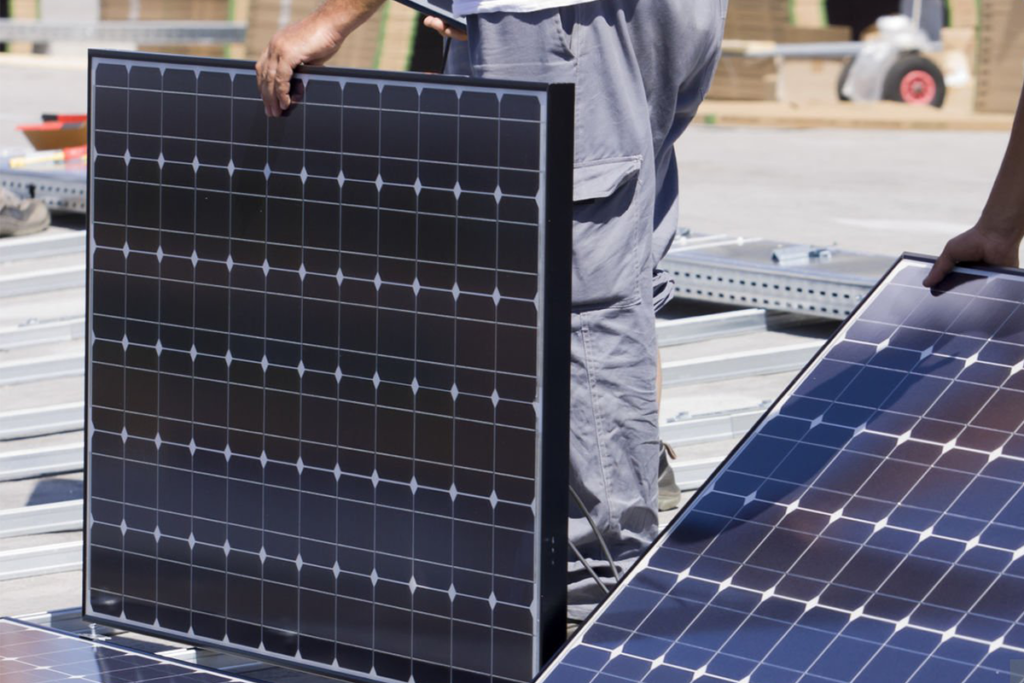
Installing solar panels isn’t a DIY weekend project—it’s a job for the pros. Here’s how it usually goes:

  1. Site Assessment: An expert checks out your roof’s condition, angle, and any shade from trees or buildings.
  2. System Design: They’ll tailor a setup based on your energy use and available space.
  3. Permitting: The installer handles the red tape—permits and approvals from your local authorities.
  4. Installation: This part takes 1-3 days, depending on how big your system is.
  5. Inspection and Connection: Once it’s up, the system gets a final check and links to the grid.

Your job? Make sure your roof is ready. If it’s old or leaky, fix it first—adding panels to a shaky foundation is asking for trouble.

Part 7.Maintenance: Keeping Your Solar Panels in Top Shape

Here’s a perk: solar panels don’t demand much upkeep. With a little care, they’ll keep humming along for decades.

  • Cleaning: Dust, leaves, or snow might build up. A rinse with a hose once or twice a year usually does the trick.
  • Monitoring: Most systems come with an app to track your energy output. Watch it now and then to catch any dips early.
  • Check-Ups: Every few years, have a pro take a look to ensure everything’s running smoothly.

Fun fact: these things are tough. They can handle storms, hail, and wind, and most come with warranties stretching 25 years or more. You’re in it for the long haul.

Part 8.Common Mistakes to Avoid When Buying Solar Panels

Even with all this info, it’s easy to stumble. Here are some traps to dodge:

  • Going Too Cheap: Low-cost panels might save you now but could fizzle out fast or underperform.
  • Skipping Incentives: Don’t leave free money behind—check every tax credit and rebate you qualify for.
  • Thinking Short-Term: If you’re adding a pool or an electric car down the road, size your system for tomorrow, not just today.
  • Picking a Shady Installer: A bad install can cost you big later. Stick with companies that have solid reviews and legit credentials.

Take your time. A little research now beats a lot of regret later.

Part 9.The Environmental Impact: Why Going Solar Matters

Money aside, solar panels let you make a dent in climate change. Every kilowatt you generate is clean energy that doesn’t pump carbon into the air.

  • By the numbers: A typical home solar system can offset around 100,000 pounds of CO2 over 20 years. That’s like planting 2,500+ trees!

It’s not just about your electric bill—it’s about leaving a lighter footprint for the next generation.

Part 10.Start Your Solar Journey Today

Buying solar panels is a big move, but it doesn’t have to be daunting. You’ve got the rundown now: the types, the costs, the process, and the perks. Whether you’re chasing savings or a greener lifestyle, solar’s got something for you.

Ready to jump in? Reach out to a few trusted installers for quotes. The sooner you start, the sooner you’ll see those energy bills shrink. Here’s to powering your home with the sun—and feeling good about it.

Custom Solar Products For Your Industries

We provide custom solutions to all our customers and offer free consulting or samples that you can take advantage of.

Custom Solar Products For Your Industries

We provide custom solutions to all our customers and offer free consulting or samples that you can take advantage of.

Leave a Comment

Your email address will not be published. Required fields are marked *

WhatsApp
Scroll to Top

Asking

We'll respond to your email soon!