The Ultimate Guide to Buying Grid-Tied Solar Inverters: Everything You Need to Know
Switching to solar energy is a brilliant decision, but choosing the right grid-tied solar inverter can feel overwhelming. Don’t worry—this guide has you covered with everything you need to know to pick the perfect inverter for your home, from types and costs to installation tips and common pitfalls.
Part 1. Iwis Solar Manufacturers in China
Custom Solar Products For Your Industries
Part 2.Why You Need a Grid-Tied Solar Inverter
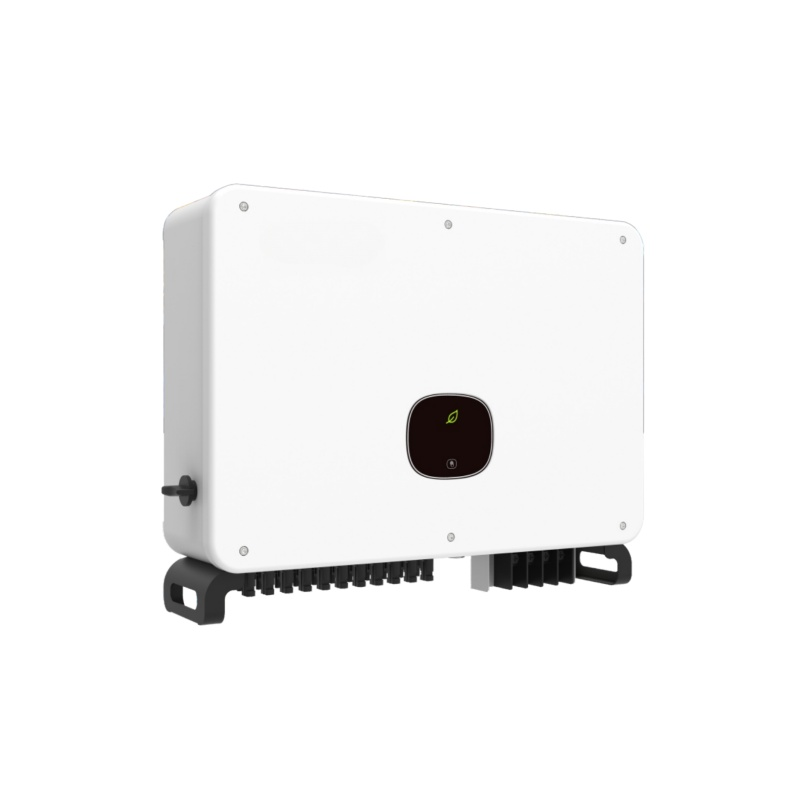
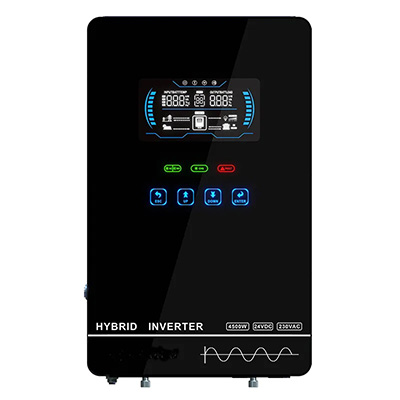
Picture this: your solar panels are soaking up the sun, generating clean energy. But that energy is in direct current (DC), and your home runs on alternating current (AC). Enter the grid-tied solar inverter—it’s the unsung hero that converts DC to AC, syncing your system with the utility grid. Without it, your solar setup is just a fancy roof decoration. So, how do you choose one that’s reliable, efficient, and worth your money? Let’s dive in.
Part 3.Types of Grid-Tied Solar Inverters: Which One’s Right for You?
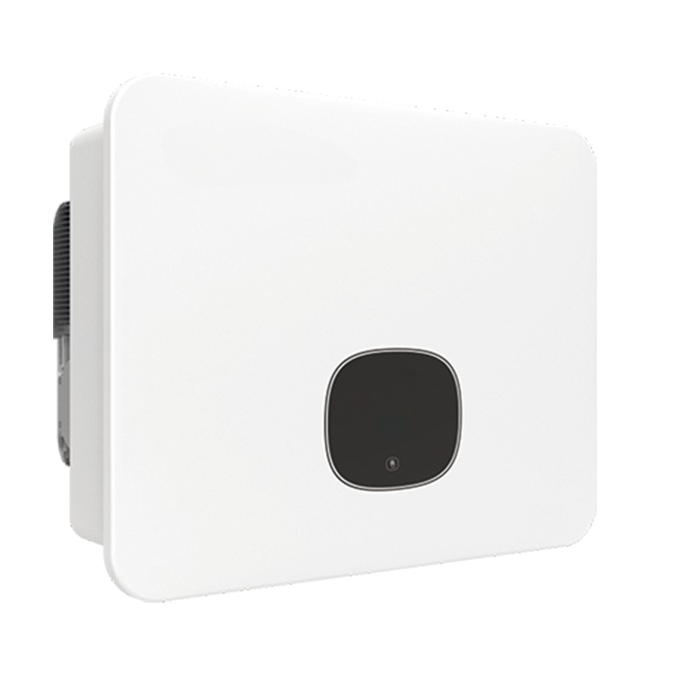
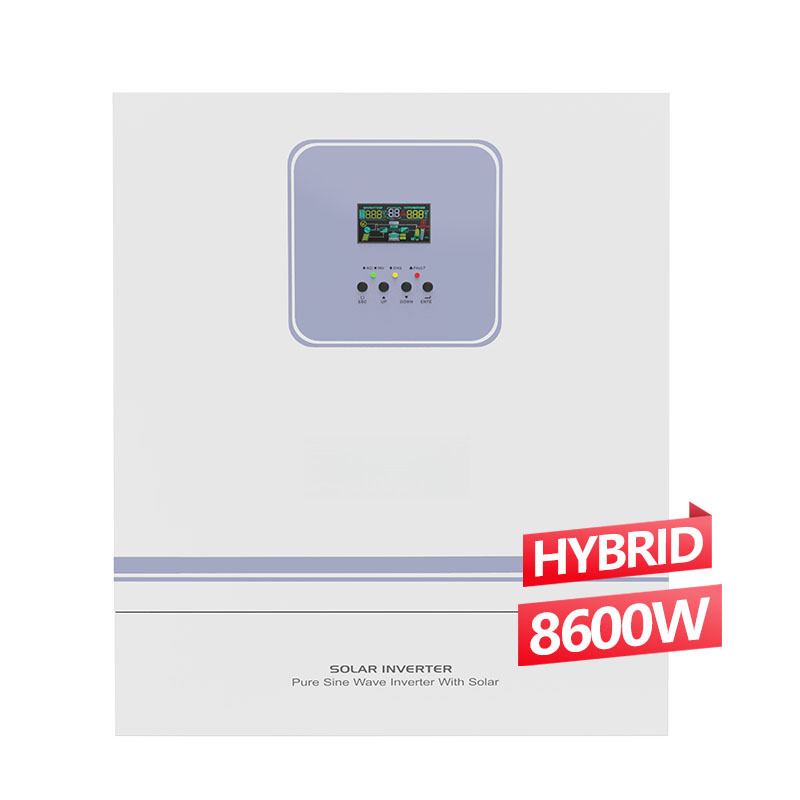
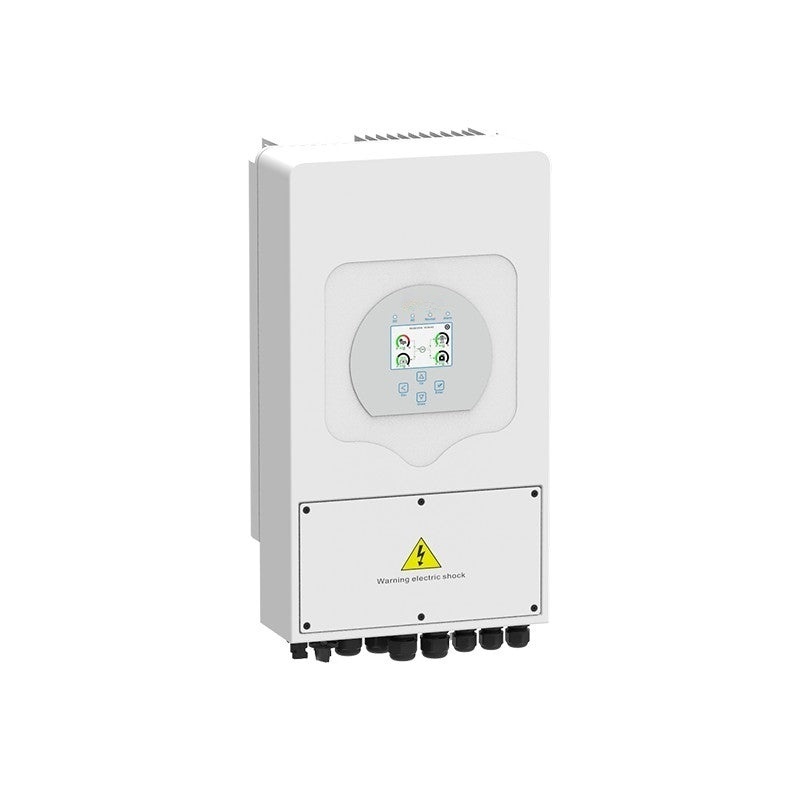
You’ve got three main options when it comes to grid-tied inverters: string inverters, microinverters, and power optimizers. Each has its own vibe, so here’s the lowdown to help you decide.
- String Inverters: These are the classic choice—affordable and straightforward. They connect your panels in a series (a “string”) and handle the DC-to-AC conversion in one go. Perfect if your roof gets full sun all day. But if shade hits one panel, it can drag down the whole string’s performance. Think of it like a group project—one slacker affects everyone.
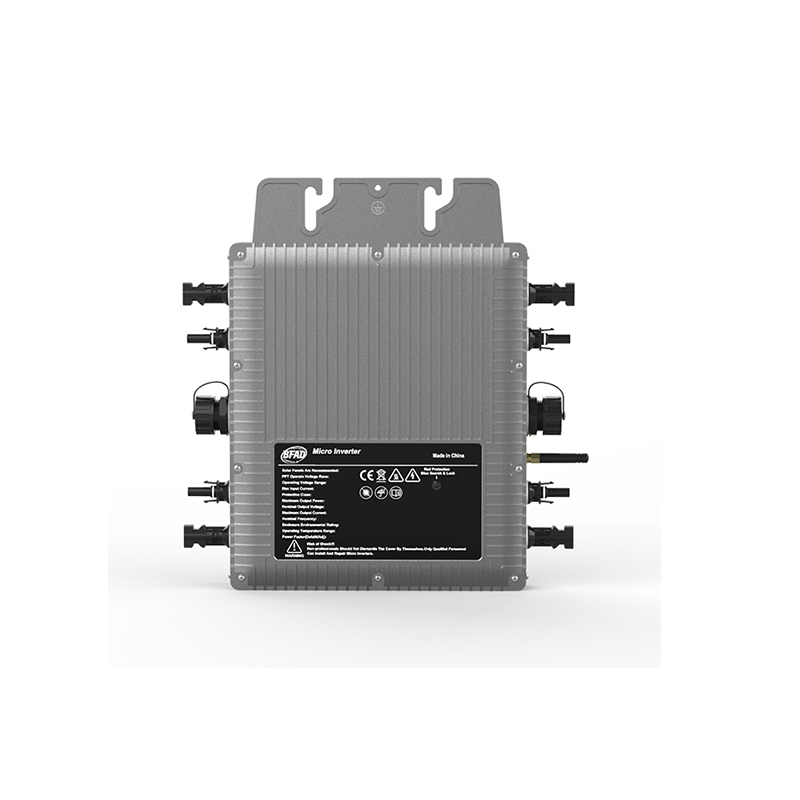
- Microinverters: These little powerhouses sit under each panel, converting DC to AC right there. That means every panel works solo, so shade or dirt on one doesn’t mess with the rest. They’re awesome for tricky roofs with chimneys or trees in the way, but they’ll cost you more upfront.
- Power Optimizers: The best of both worlds? Maybe. These gadgets optimize each panel’s DC output before sending it to a central string inverter. You get panel-level control (like microinverters) without ditching the cost savings of a string setup. The catch: you still need that central inverter, which could be a weak link.
So, what’s your move? If your roof’s a sun magnet and you’re keeping costs low, string inverters are your go-to. Got shade or a funky roof layout? Microinverters or power optimizers might be your ticket to max energy output.
What Other Solar or Power Products You Want
Custom Solar Products For Your Industries
We provide custom solutions to all our customers and offer free consulting or samples that you can take advantage of.
Part 4. Efficiency: Why It’s a Big Deal
Efficiency isn’t just a buzzword—it’s how much of your solar power actually makes it to your lights and appliances. Most grid-tied inverters clock in between 95% and 99% efficiency.
- Why should you care? Higher efficiency means less energy gets lost in translation, saving you more on your bills. A 98% efficient inverter might sound close to a 95% one, but over years, that gap adds up.
- How to check it: Look at the CEC (California Energy Commission) efficiency rating—it’s a trusty benchmark for real-world performance. Also, peek at how the inverter handles low light or scorching heat, since conditions affect output.
Don’t get too hung up on chasing the highest number, though. A slightly less efficient model might still win if it fits your budget and setup better.
Part 5.How Much Will a Grid-Tied Inverter Cost You?
Let’s talk money. The price tag on a grid-tied inverter depends on its type, size, and extras. Here’s what you’re looking at:
- String Inverters: The wallet-friendly option, starting at about $1,000 for a small system and climbing to $3,000+ for bigger ones.
- Microinverters: These rack up $100 to $200 per panel. Got 12 panels? That’s $1,200 to $2,400 just for the inverters.
- Power Optimizers: You’ll pay $50 to $100 per panel, plus the cost of a central inverter (another $1,000 or so).
What else bumps up the price? The inverter’s capacity (think kilowatts), the brand’s reputation, and how long the warranty lasts. Oh, and installation—it’s usually $500 to $1,000 extra, depending on where you live and how tricky your setup is.
Here’s a pro tip: don’t skimp just to save a few bucks. A cheap inverter might nickel-and-dime you later with repairs or lost efficiency. Shop around, get quotes, and see if rebates can lighten the load.
Part 6.Must-Have Features to Look For
Not all inverters are created equal. Here’s what to keep an eye out for:
- Monitoring: You want real-time updates on how your system’s doing. Most inverters come with apps or software—pick one that’s easy to use so you can spot trouble fast.
- Warranty: These range from 5 to 15 years, with some brands stretching to 25. Longer is better—it’s your safety net if something goes kaput.
- Grid Smarts: Features like voltage regulation keep your system in sync with the grid, especially during peak times or blackouts.
- Cooling: Inverters get hot under the collar. Look for good fans or passive cooling, especially if you’re in a toasty climate.
- Safety Stuff: Check for certifications like UL 1741 or IEEE 1547. These mean your inverter can safely shut off during grid outages, keeping line workers safe.
Think about what matters most to you. Love geeking out on stats? Prioritize monitoring. Live in a heatwave zone? Cooling’s your focus.
Part 7.Sizing Your Inverter: Don’t Mess This Up
Getting the size right is clutch. Too small, and your inverter can’t keep up with your panels. Too big, and you’re burning cash for no reason.
- How to nail it: Match the inverter’s capacity to your solar array’s peak output. If your panels pump out 6 kW, grab an inverter rated for at least that.
- Future-proofing: Thinking of adding panels later? Go a tad bigger now to avoid swapping it out down the road.
- Clipping caveat: If your inverter’s a bit undersized, it might “clip” excess energy on super sunny days. That’s not always a dealbreaker—it could be cheaper than oversizing.
Chat with your installer here. They’ll crunch the numbers based on your roof, location, and energy habits to find the Goldilocks fit.
Part 8.Installation: What’s the Process Like?
You’re not slapping this thing up yourself—leave it to the pros. Here’s how it usually goes down:
- Site Check: An expert scopes out your roof, electrical setup, and shading to plan the perfect system.
- Design Time: They’ll sketch a setup that fits your energy needs and space.
- Paperwork: Permits and utility approvals? Your installer’s got it covered.
- Install Day: Takes 1-2 days, depending on how big your system is.
- Final Steps: An inspection, a grid hookup, and you’re live.
Before they start, make sure your electrical panel can handle the load. If it’s old-school, you might need an upgrade—think $1,000 to $3,000 extra. Pick an installer with a solid rep to avoid headaches.
Part 9.Maintenance: Keep It Running Smooth
Good news: grid-tied inverters don’t need much TLC. But a little effort keeps them humming.
- Watch It: Use the monitoring tools to track output. A weird dip could mean it’s time for a look-see.
- Clean It: Dust can clog things up. Give it a gentle wipe with a soft cloth once a year.
- Pro Check: Every few years, call in a technician to make sure everything’s tip-top.
With care, your inverter can last 10-15 years—or more. Hang onto maintenance records and register that warranty.
Part 10.Mistakes You Don’t Want to Make
Even with all this know-how, slip-ups happen. Steer clear of these:
- Wrong Type: Don’t grab a string inverter if your roof’s shady—go micro or optimizer instead.
- Size Snafu: Too small, and you lose power. Too big, and you overspend. Get it just right.
- Warranty Whoops: A short warranty could leave you high and dry. Aim for 10+ years.
- Compatibility Clash: Make sure your inverter vibes with your panels and any future add-ons like batteries.
- DIY Disaster: Tempted to install it yourself? Don’t. A pro job keeps your warranty intact and your house safe.
Slow down, double-check, and you’ll dodge these traps.
Part 11.Going Green
Your inverter isn’t just about saving cash—it’s a win for the planet. A solid system cuts your reliance on dirty energy, shrinking your carbon footprint. A 5 kW setup can offset around 7,000 pounds of CO2 a year—imagine 80 new trees soaking up the sun. Pick an efficient inverter, and you’re amplifying that eco-impact.
Part 12.Power Up with Confidence
Buying a grid-tied solar inverter is a big step toward a cleaner, cheaper energy future. Armed with this guide, you’re ready to pick one that fits your home, budget, and goals. Take your time, talk to installers, and get those quotes rolling. Here’s to harnessing the sun—and owning it like a pro!
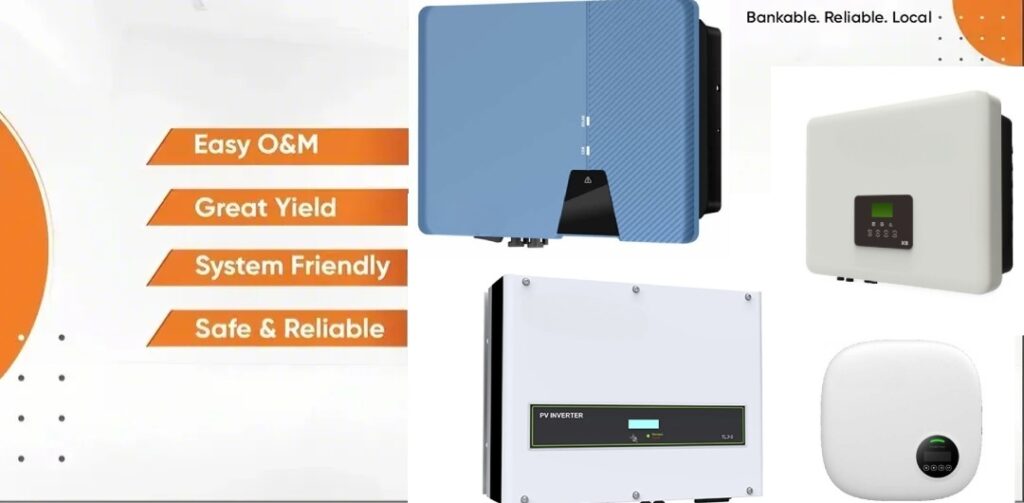
Custom Solar Products For Your Industries
We provide custom solutions to all our customers and offer free consulting or samples that you can take advantage of.