The Ultimate Guide to Buying Off-Grid Solar Inverters: Everything You Need to Know

off grid solar inverter
[ez-toc]

So, you’re ready to take the plunge into off-grid solar power? That’s fantastic! One of the most critical pieces of equipment you’ll need is an off-grid solar inverter. This guide will walk you through everything you need to know to pick the perfect one, ensuring your journey to energy independence is smooth and successful.

Part 1. Iwis Solar Manufacturers in China

Custom Solar Products For Your Industries

We provide custom solutions to all our customers and offer free consulting or samples that you can take advantage of.

Part 2.What Is an Off-Grid Solar Inverter?

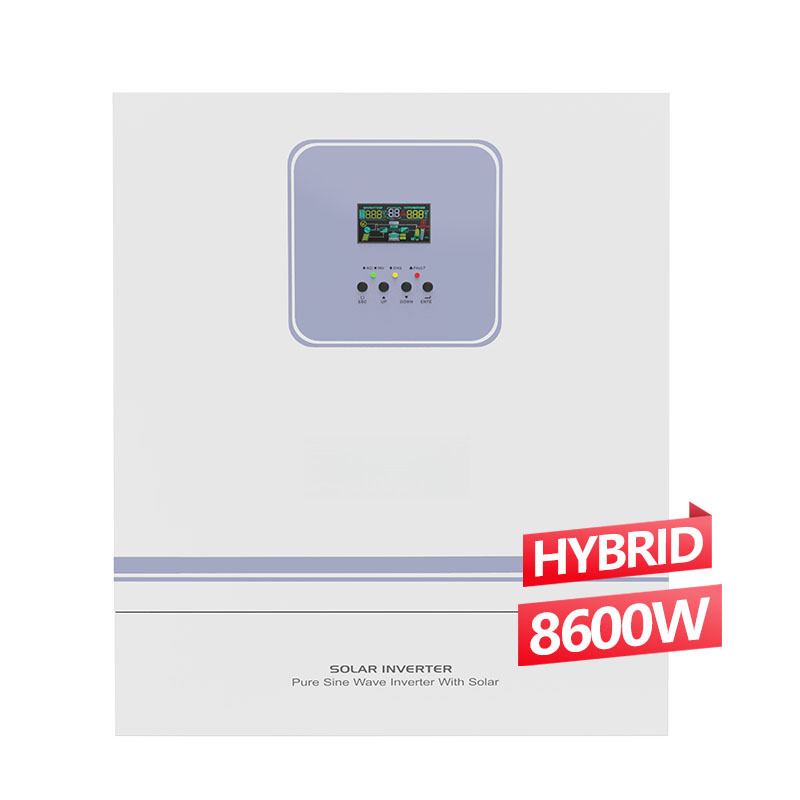
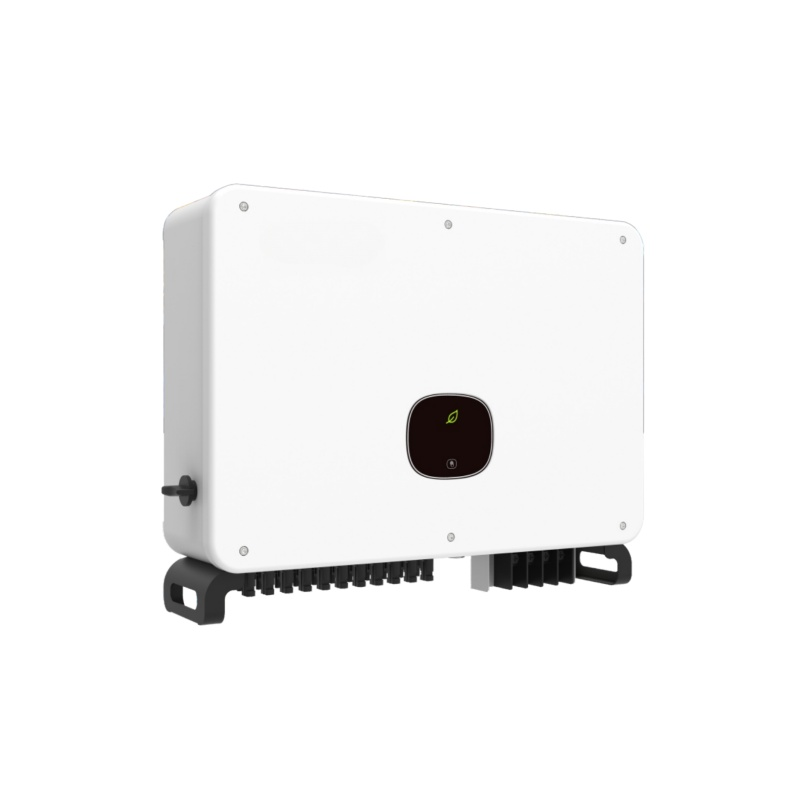
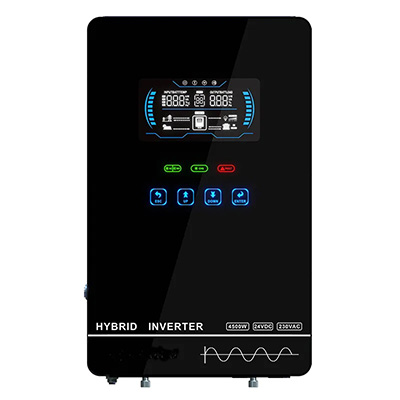
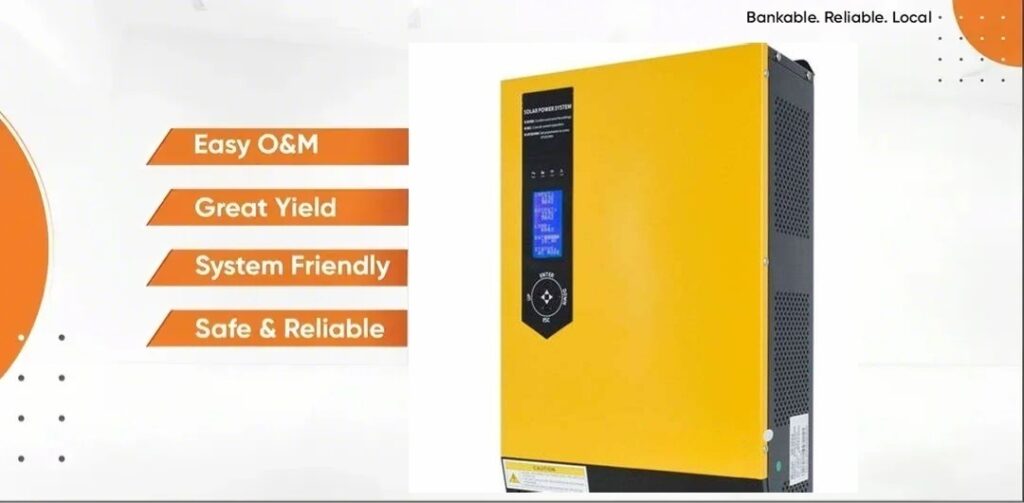
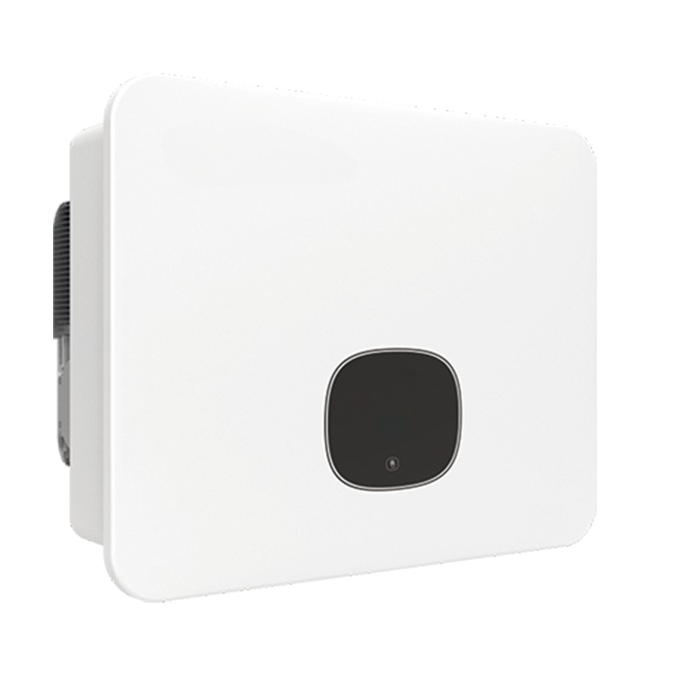
Let’s start with the basics. An off-grid solar inverter is the heart of your solar system, converting the direct current (DC) electricity your solar panels produce into alternating current (AC) electricity that powers your home. Unlike inverters for grid-tied systems, off-grid models are built to operate independently, often working hand-in-hand with batteries to keep your lights on when the sun goes down. Understanding how they work and what sets them apart is your first step to making a smart purchase.

Part 3.Types of Off-Grid Solar Inverters

When you start shopping, you’ll notice there are a few different types of off-grid solar inverters. Each has its strengths, so let’s break them down to help you decide which one fits your needs.

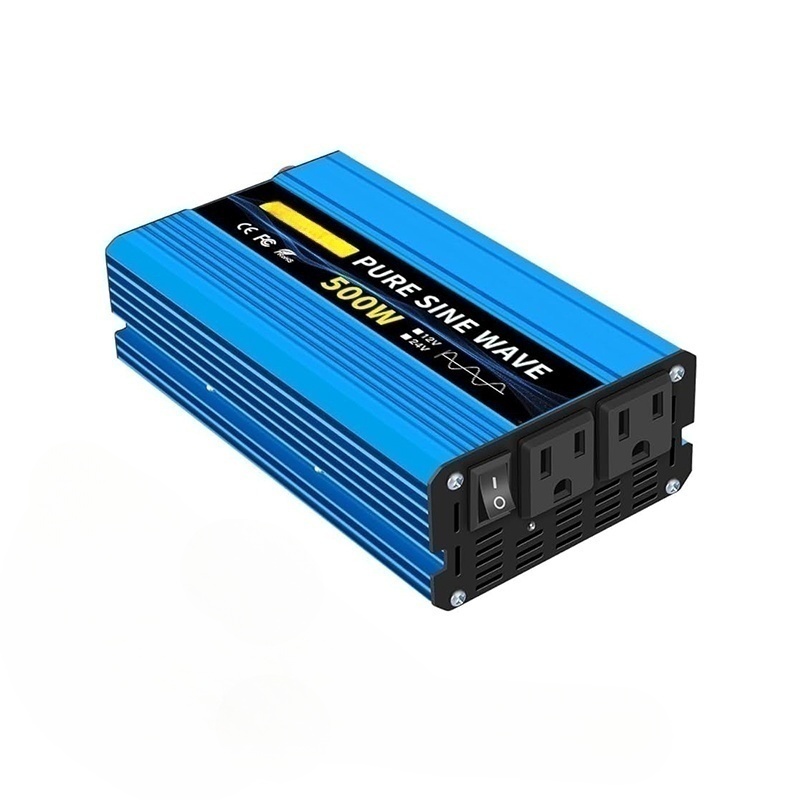
Pure Sine Wave Inverters

Picture this: you’re powering your laptop, TV, or microwave in your off-grid cabin. These sensitive devices need clean, smooth electricity to run properly, and that’s where pure sine wave inverters shine. They produce a wave of power identical to what you’d get from the utility grid, making them the go-to choice for most off-grid setups. Yes, they’re pricier, but the reliability and compatibility with modern appliances make them worth every penny.

Modified Sine Wave Inverters

Now, if you’re on a budget or only need to power simple stuff like lights, fans, or basic tools, a modified sine wave inverter might catch your eye. These inverters create a stepped, less refined wave of electricity, which keeps costs down. However, they’re not ideal for sensitive electronics—think buzzing noises or reduced efficiency. If your setup is minimal and you’re okay with some limitations, this could be a practical option.

Inverter/Chargers

Here’s a game-changer for off-grid living: inverter/chargers. These clever devices do double duty, converting DC to AC while also allowing you to charge your batteries from an AC source, like a generator. Imagine a cloudy week when your panels aren’t cutting it—pop on the generator, and your inverter/charger keeps your battery bank topped up. It’s a versatile choice if you want flexibility in your power system.

Custom Solar Products For Your Industries

We provide custom solutions to all our customers and offer free consulting or samples that you can take advantage of.

Part 4. Key Features to Consider

Choosing an off-grid solar inverter isn’t just about picking a type; it’s about finding one with the right features for your lifestyle. Here’s what you should keep on your radar.

Power Output Capacity

This is the big one. Measured in watts (W) or kilowatts (kW), power output capacity tells you how much electricity the inverter can handle at once. You’ll need to add up the wattage of everything you want to run simultaneously—lights, fridge, water pump, you name it. If your total comes to 500W, your inverter needs to deliver at least that much continuously.

Surge Capacity

Ever notice how your fridge hums louder when it kicks on? That’s a surge—appliances with motors often need a burst of extra power to start. Your inverter’s surge capacity (also in watts) should exceed the highest surge requirement of your devices. A water pump might demand 800W to start but only 200W to run, so make sure your inverter can handle that initial spike.

Efficiency

Efficiency is all about getting the most out of your solar setup. It measures how much DC power from your batteries gets converted to usable AC power—look for 90% or higher. A less efficient inverter wastes energy, and in an off-grid system where every watt counts, that’s a big deal.

Battery Compatibility

Since off-grid inverters pair with batteries, compatibility is non-negotiable. Check your battery bank’s voltage—12V, 24V, or 48V—and ensure the inverter matches. If you’re eyeing an inverter/charger, confirm it supports your battery type (lead-acid, lithium, etc.) and has suitable charging settings.

Monitoring and Control

Want to keep tabs on your system? Many modern inverters come with LCD displays or even smartphone apps to show you power usage, battery levels, and more. Some let you tweak settings remotely—perfect if your inverter’s tucked away in a shed.

Durability and Warranty

You’re investing in something that’ll run your home, so it better last. Look for inverters with rugged builds, good heat dissipation, and protection against dust or moisture, especially if your setup’s in a harsh spot. A solid warranty—five years or more—gives you peace of mind.
Part 5.Sizing Your Inverter Correctly

Getting the size right is where a lot of folks trip up. Too small, and your inverter can’t keep up; too big, and you’re wasting money and efficiency. Here’s how to nail it.

Step 1: Calculate Your Continuous Power Needs

Grab a notebook and list every appliance you’ll run at the same time. Check their wattage (usually on the label or manual) and add them up. Say you’ve got:

  • LED lights: 50W
  • Laptop: 60W
  • Fridge: 100W
  • Water pump: 200W

That’s 410W total. Your inverter needs to handle at least that much continuously.

Step 2: Factor in Surge Power

Next, check for surge requirements. Using the example above, let’s say your fridge surges to 300W and your pump to 600W. The highest surge is 600W, so your inverter’s surge capacity should be at least that. In reality, surges rarely overlap, so you usually only need to match the biggest one.

Step 3: Plan for the Future

Thinking of adding a coffee maker or more lights down the road? Pick an inverter with a little extra capacity—say, 500W continuous instead of 410W. Just don’t overdo it, as oversized inverters can draw more idle power, draining your batteries when nothing’s running.

Step 4: Match Your Battery Bank

Your inverter’s input voltage must align with your battery bank’s—24V batteries need a 24V inverter. Double-check this to avoid headaches later.

Part 6.Choosing the Right Inverter for Your System

With the technical stuff sorted, let’s zoom out and think about your unique situation.

Assess Your Environment

Where will your inverter live? A dusty desert or a humid forest demands a unit built to take the heat (or cold). Some models have superior cooling or weatherproofing—perfect for rugged off-grid spots.

Think About Expandability

If your solar dreams are big, consider an inverter that can grow with you. Some can be stacked or paired with additional units, saving you from a full replacement later.

Weigh Cost vs. Quality

A cheap inverter might tempt you, but low efficiency or a short lifespan could cost more over time. Balance your budget with reliability—read reviews and check warranties to gauge value.

Look for Certifications

Safety matters. Inverters with UL certification meet strict standards, so you know they’re legit.

Part 7.Installation and Maintenance Tips

With the technical stuff sorted, let’s zoom out and think about your unique situation.

Assess Your Environment

Where will your inverter live? A dusty desert or a humid forest demands a unit built to take the heat (or cold). Some models have superior cooling or weatherproofing—perfect for rugged off-grid spots.

Think About Expandability

If your solar dreams are big, consider an inverter that can grow with you. Some can be stacked or paired with additional units, saving you from a full replacement later.

Weigh Cost vs. Quality

A cheap inverter might tempt you, but low efficiency or a short lifespan could cost more over time. Balance your budget with reliability—read reviews and check warranties to gauge value.

Look for Certifications

Safety matters. Inverters with UL certification meet strict standards, so you know they’re legit.

Part 8.Installation and Maintenance Tips

While a pro should handle the heavy lifting, here’s what you need to know.

Installation Basics

  • Location: Set it up in a cool, dry, ventilated spot—away from sunlight or moisture.
  • Wiring: Use the right wire size and secure all connections to avoid sparks or losses.
  • Grounding: Follow the manual to ground it properly—safety first!
  • Battery Hookup: Connect with the right polarity and add fuses for protection.

Maintenance Musts

  • Dust it off regularly.
  • Check connections for wear or corrosion every few months.
  • Monitor its performance via its display or app.
  • Update firmware if the manufacturer offers it.

Part 9.Maintenance: Keep It Running Smooth

Good news: grid-tied inverters don’t need much TLC. But a little effort keeps them humming.

  • Watch It: Use the monitoring tools to track output. A weird dip could mean it’s time for a look-see.
  • Clean It: Dust can clog things up. Give it a gentle wipe with a soft cloth once a year.
  • Pro Check: Every few years, call in a technician to make sure everything’s tip-top.

With care, your inverter can last 10-15 years—or more. Hang onto maintenance records and register that warranty.

Part 10.Mistakes You Don’t Want to Make

Don’t sabotage your setup—watch out for these slip-ups.

  • Undersizing: Too small, and it’ll shut down under load.
  • Ignoring Surges: Skimp on surge capacity, and your pump won’t start.
  • Component Mismatch: An inverter that doesn’t play nice with your batteries or panels is trouble.
  • Overlooking Efficiency: Low efficiency wastes your precious solar energy.
  • No Future Planning: Buying just for today might mean replacing it tomorrow.

Part 11.Top Brands to Explore

Ready to shop? Some trusted names in off-grid inverters include:

  • OutBack Power: Rock-solid inverter/chargers for tough conditions.
  • Schneider Electric: Versatile options with a strong reputation.
  • Victron Energy: High-quality builds with great monitoring tools.
  • Magnum Energy: Known for hefty surge capacities.
  • SMA: Top-tier engineering, even for off-grid use.

Dig into models that match your wattage and features, and peek at user feedback for the real scoop.

Part 12.Power Up with Confidence

Buying an off-grid solar inverter is a big decision, but you’ve got this! By figuring out your power needs, picking the right type, sizing it perfectly, and dodging common pitfalls, you’re setting yourself up for a reliable, independent power system. Take your time, do your homework, and don’t hesitate to chat with a pro if you’re unsure. With the right inverter, you’re not just buying a gadget—you’re unlocking a life powered by the sun. Happy hunting!

Custom Solar Products For Your Industries

We provide custom solutions to all our customers and offer free consulting or samples that you can take advantage of.

Custom Solar Products For Your Industries

We provide custom solutions to all our customers and offer free consulting or samples that you can take advantage of.

Leave a Comment

Your email address will not be published. Required fields are marked *

WhatsApp
Scroll to Top

Asking

We'll respond to your email soon!